
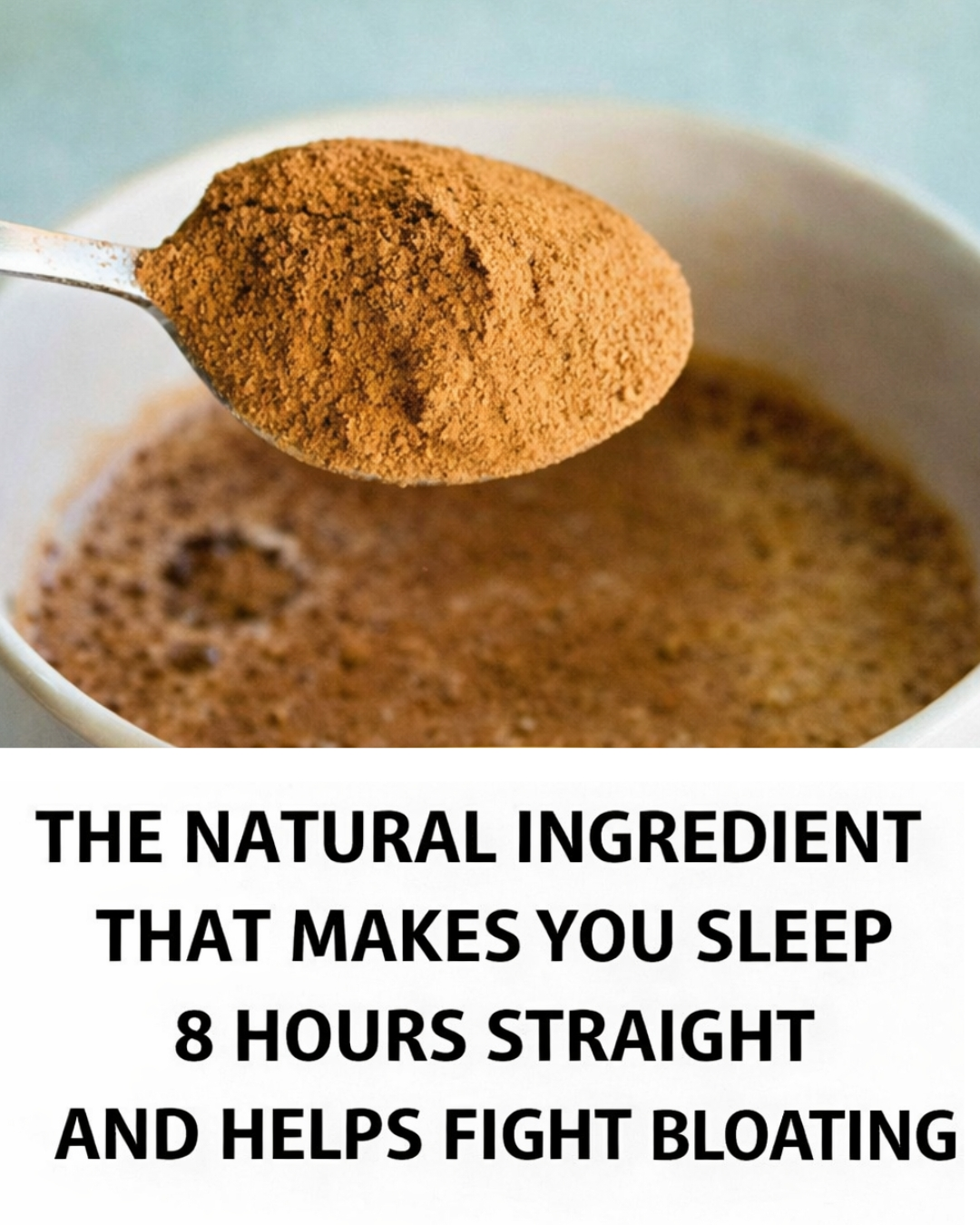
If you are searching for a natural way to improve your sleep and gently support fat burning overnight, you are not alone. Many people struggle with restless nights, low energy, and a metabolism that feels slower than it should be. Poor sleep and metabolic imbalance often go hand in hand, affecting weight management, hormone balance, and overall wellness.
While there is no miracle drink that melts fat instantly while you sleep, there are science-supported habits and foods that can improve sleep quality and help your body function more efficiently overnight. When your sleep improves, your metabolism tends to work better. When your metabolism works better, your body regulates hunger, energy, and fat storage more effectively.
This guide explores how sleep and metabolism are connected, which nighttime foods may help support both, and how to build a sustainable evening routine that promotes deeper rest and healthy fat metabolism.
Why Sleep Quality Matters for Fat Loss
Sleep is not simply a time of rest. It is a highly active biological process during which your body repairs tissues, regulates hormones, balances blood sugar, and resets metabolic systems.
When sleep is disrupted or shortened, several important processes are affected.
Hormone Regulation
Poor sleep can disrupt hunger hormones such as:
• Ghrelin (stimulates appetite)
• Leptin (signals fullness)
When you are sleep-deprived, ghrelin increases and leptin decreases. This can lead to stronger cravings, especially for high-calorie foods.
Stress and Cortisol
Inadequate sleep can increase cortisol, the stress hormone. Elevated cortisol levels are associated with increased abdominal fat storage and difficulty losing weight.
Insulin Sensitivity
Sleep plays a role in how your body processes glucose. Poor sleep can reduce insulin sensitivity, making it harder for your body to use energy efficiently.
Improving sleep is often one of the most overlooked strategies for supporting fat metabolism. The foundation of overnight fat burning is not a supplement or trendy drink—it is high-quality, consistent rest.
How the Body Burns Fat During Sleep
Your body does not “shut down” at night. Instead, it shifts into repair mode.
During deep sleep:
• Growth hormone is released, supporting muscle repair and fat metabolism
• Cells repair and regenerate
• The body balances blood sugar
• The nervous system resets
When sleep is deep and uninterrupted, these processes work more efficiently. When sleep is fragmented, the body prioritizes stress responses instead of repair.
This is why focusing on nighttime nutrition and habits can be helpful—but only when paired with consistent sleep patterns.
Top Natural Foods and Drinks That Support Sleep and Metabolism
Certain nutrients are known to support relaxation, hormone production, and metabolic processes. Including small, balanced portions of these foods in the evening may help create a supportive environment for both rest and fat utilization.
Herbal Teas for Relaxation
Herbal teas are a simple, calming addition to a bedtime routine.
Chamomile
Contains apigenin, a compound that binds to receptors in the brain that promote relaxation.
Peppermint
Supports digestion and may help reduce nighttime discomfort.
Lemon balm
Traditionally used to ease stress and mild anxiety.
A calming tea ritual may lower stress levels, and lower stress supports metabolic balance. It is not the tea alone—it is the relaxation response it encourages.
Melatonin-Supporting Foods
Melatonin is the hormone that regulates your sleep-wake cycle.
Some foods naturally contain small amounts of melatonin or support its production:
• Tart cherries
• Kiwi
• Walnuts
• Almonds
While these foods are not substitutes for medical sleep treatments, they may gently support natural melatonin rhythms when consumed as part of a balanced diet.
Better melatonin regulation contributes to improved sleep consistency, which indirectly supports metabolic health.
Protein-Rich Evening Snacks
A small protein-based snack before bed may help stabilize blood sugar and support overnight muscle repair.
Turkey and chicken contain tryptophan, an amino acid used to produce serotonin and melatonin.
Greek yogurt provides protein and calcium, both linked to sleep regulation.
Cottage cheese contains casein protein, which digests slowly and may help support muscle maintenance overnight.
Maintaining muscle mass is important because muscle tissue plays a role in metabolic rate.
Healthy Fats and Nutrient-Dense Options
Foods rich in healthy fats, magnesium, and fiber can support satiety and relaxation.
Avocados provide potassium and magnesium.
Nuts and seeds contain magnesium, healthy fats, and protein.
Magnesium plays a role in muscle relaxation and nervous system regulation, both important for restful sleep.
Balanced blood sugar during the night helps reduce stress responses that may interfere with fat metabolism.
Sleep-Supporting Fruits
Certain fruits contain nutrients that help promote relaxation.
Bananas
Contain potassium and magnesium, which help relax muscles.
Kiwi
Some research suggests kiwi may help improve sleep onset and duration.
Cherries
Contain natural melatonin.
These fruits can be enjoyed in small portions to complement an evening routine.
A Simple Soothing Nighttime Drink Recipe
Creating a calming ritual is often just as powerful as the ingredients themselves.
Soothing Herbal Night Drink
Ingredients:
1 chamomile tea bag
1 slice fresh lemon
A pinch of cinnamon or ginger
1 cup hot water
Instructions:
Steep chamomile tea in hot water for 5–7 minutes.
Add a slice of lemon and a pinch of cinnamon or ginger if desired.
Sip slowly about 30 minutes before bed.
This drink supports relaxation and may help signal to your body that it is time to wind down.
Avoid adding sugar, as high sugar intake before bed can disrupt blood sugar balance and sleep quality.
Lifestyle Habits That Maximize Overnight Fat Burning
Food alone is not enough. Your nighttime habits significantly influence both sleep and metabolism.
Keep a Consistent Sleep Schedule
Going to bed and waking up at the same time daily regulates your circadian rhythm. A stable internal clock supports hormone balance and energy regulation.
Reduce Blue Light Exposure
Screens emit blue light, which can suppress melatonin production. Try limiting screen use at least one hour before bed.
Maintain a Cool, Dark Sleep Environment
Cool temperatures and darkness support melatonin release and deeper sleep cycles.
Avoid Heavy Late-Night Meals
Large, high-fat or high-sugar meals right before bed may interfere with digestion and disrupt sleep.
Stay Hydrated During the Day
Proper hydration supports circulation, digestion, and metabolic function. However, reduce excessive fluid intake right before bed to avoid sleep disruptions.
Incorporate Gentle Evening Movement
Light stretching or a short walk after dinner may help regulate blood sugar and improve sleep readiness.
What to Avoid at Night
Some habits can counteract your sleep and fat metabolism goals:
• High caffeine intake late in the day
• Alcohol close to bedtime
• High-sugar snacks
• Intense workouts immediately before bed
• Irregular sleep schedules
Improving sleep often requires removing obstacles rather than adding complicated solutions.
The Real Secret to Overnight Fat Support
Here is the key insight.
Fat burning during sleep is primarily influenced by overall lifestyle patterns, not a single nighttime drink.
Consistent sleep
Balanced nutrition
Strength training
Stress management
Hydration
Hormone balance
When these factors align, your body naturally regulates fat metabolism more effectively.
Nighttime nutrition should support these processes—not attempt to override them.
Practical Tips for Building a Sustainable Night Routine
• Eat dinner at least 2–3 hours before bed.
• Choose protein and fiber for evening snacks.
• Limit added sugars at night.
• Create a calming wind-down ritual.
• Keep your bedroom cool and dark.
• Prioritize 7–9 hours of sleep when possible.
• Be consistent rather than extreme.
Small, repeatable habits create long-term results.
Frequently Asked Questions
Can you really burn fat while sleeping?
Yes, your body continues to use energy during sleep. However, the amount of fat burned depends on overall metabolism, muscle mass, diet, and sleep quality—not a single food.
Is it good to eat before bed?
A small, balanced snack with protein and healthy fats can support blood sugar stability. Heavy or sugary meals close to bedtime are best avoided.
Do herbal teas directly cause fat loss?
Herbal teas do not directly burn fat. They may support relaxation and stress reduction, which indirectly support metabolic health.
How many hours of sleep are ideal for metabolism?
Most adults benefit from 7–9 hours of quality sleep per night.
Does magnesium help with sleep?
Magnesium plays a role in muscle relaxation and nervous system regulation, which may support better sleep for some individuals.
Is celery juice or lemon water better at night?
Neither directly burns fat. Hydration and overall diet quality are more important than specific beverages.
Can poor sleep cause weight gain?
Chronic sleep deprivation is associated with hormone imbalances that may increase appetite and cravings.
Conclusion
There is no magic nighttime drink that instantly melts fat while you sleep. However, combining high-quality rest with supportive evening nutrition and calming habits can help your body function more efficiently overnight.
Herbal teas, balanced protein snacks, magnesium-rich foods, and melatonin-supporting fruits can gently encourage relaxation and metabolic balance. Most importantly, consistent sleep and healthy lifestyle patterns create the strongest foundation for sustainable fat management.