
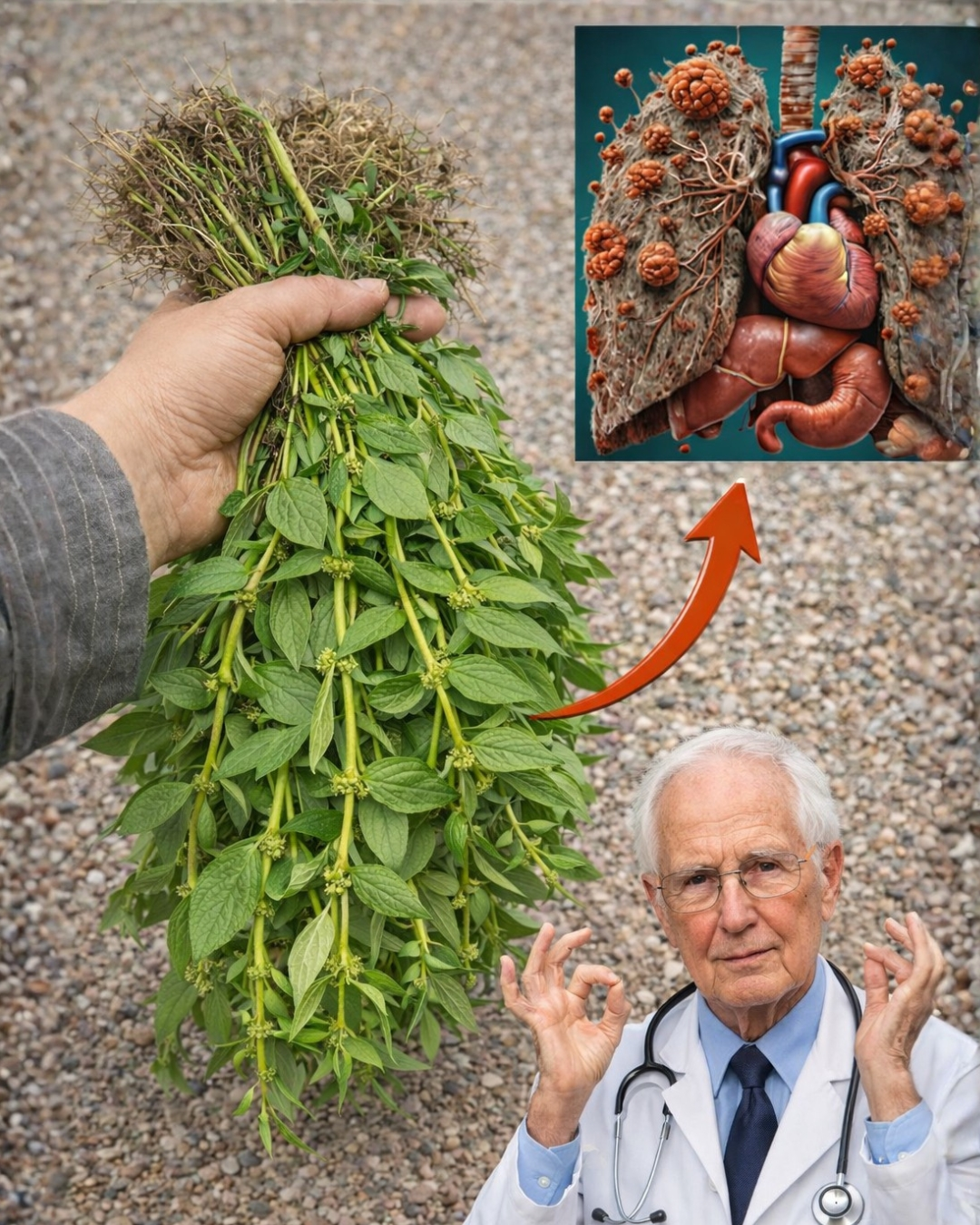
Imagine stepping outside and discovering that one of the most overlooked plants in your yard carries a long history of traditional wellness use. Not a rare rainforest herb. Not an expensive imported supplement. Just a small, fuzzy weed pushing through cracks in the sidewalk.
That plant is Euphorbia hirta, commonly known as asthma weed or tawa-tawa in the Philippines. For generations, communities across Asia, Africa, the Caribbean, and Latin America have used it in traditional remedies for respiratory comfort, digestion, skin support, and more.
While modern research is still developing, scientists have begun examining the plant’s bioactive compounds, including flavonoids, tannins, alkaloids, and phenolic acids. These natural substances may help explain why this humble weed has earned such respect in folk medicine.
This guide explores the traditionally recognized benefits of Euphorbia hirta, safe preparation methods, and important precautions to consider before using it.
What Is Euphorbia Hirta?
Euphorbia hirta is a low-growing herb with hairy stems, small opposite leaves (often with a reddish tint), and clusters of tiny pinkish flowers. When broken, the stem releases a milky latex sap.
It thrives in warm climates and often appears in open, sunny areas with disturbed soil. Because it grows so easily, it has earned a reputation as a weed — yet herbal traditions see it very differently.
Traditional Wellness Benefits of Euphorbia Hirta
The following uses are based on traditional practices and emerging laboratory research. Euphorbia hirta is not a substitute for medical treatment, and more human clinical studies are needed.
Respiratory Support
Euphorbia hirta is often called “asthma weed” due to its traditional use in supporting respiratory comfort. Herbalists have used tea made from the leaves to help calm occasional coughing and promote easier breathing.
Some laboratory studies suggest that certain plant compounds may have bronchodilating and anti-inflammatory properties, which could help relax airway tension.
Platelet and Immune Support
In the Philippines, where it is known as tawa-tawa, Euphorbia hirta has traditionally been brewed into tea during dengue outbreaks. Folk practitioners believe it may support platelet production and hydration.
While research is ongoing, some preliminary studies suggest the plant may influence bone marrow activity and immune responses. However, it should never replace medical care for serious infections.
Natural Antimicrobial Properties
Laboratory testing has shown that extracts of Euphorbia hirta demonstrate antibacterial and antifungal activity against certain strains of microbes.
Traditionally, crushed leaves have been applied as poultices to minor wounds and skin irritations. The plant’s phenolic compounds may contribute to this effect.
Anti-Inflammatory Potential
The plant contains flavonoids such as quercetin and kaempferol, which are known for their antioxidant and anti-inflammatory actions.
In traditional settings, it has been used to ease joint discomfort and muscle tension. Early animal studies suggest measurable anti-inflammatory activity.
Digestive Comfort
Euphorbia hirta has long been used in Ayurvedic and African herbal systems for digestive balance. Its tannins may have mild astringent effects that help support normal bowel function.
It has traditionally been prepared as tea for occasional diarrhea, cramping, and digestive upset.
Skin Applications
The milky sap has historically been used topically for minor skin concerns such as warts and fungal irritation. Its compounds may help dry out unwanted growths and soothe mild inflammation.
However, the sap can irritate sensitive skin and should always be diluted or patch-tested first.
Blood Sugar Support
Preliminary research in animal models suggests Euphorbia hirta extracts may influence glucose metabolism and insulin sensitivity.
While promising, these findings are not yet sufficient to recommend it as a diabetes treatment. Individuals managing blood sugar conditions should consult healthcare professionals before trying herbal remedies.
Natural Pain Support
Traditional herbalists have used Euphorbia hirta for mild discomfort, including headaches and menstrual cramps.
Some studies suggest mild analgesic properties, possibly linked to its alkaloid content.
Urinary Tract Support
The plant has been described as having mild diuretic properties, potentially increasing urine flow and supporting urinary comfort.
Its antimicrobial activity may also contribute to traditional use in urinary wellness blends.
Antioxidant Defense
Euphorbia hirta contains compounds such as gallic acid and quercetin, which help neutralize oxidative stress in the body.
Antioxidants play a role in supporting immune health and cellular protection.
How to Harvest Euphorbia Hirta Safely
Correct identification is essential before harvesting any wild plant.
Look for:
Hairy stems
Opposite leaves with slight reddish veins
Small clustered pink flowers
Milky latex sap when broken
Harvest only from clean areas free of pesticides or roadside pollution. Wear gloves when handling the plant to avoid skin irritation from the sap.
How to Prepare Euphorbia Hirta Tea
One of the most common traditional uses is herbal tea.
Ingredients
Fresh leaves (about 10–15 small leaves) or one tablespoon dried leaves
Two cups water
Instructions
Rinse the leaves thoroughly.
Bring water to a gentle boil.
Add leaves and simmer for about ten minutes.
Strain and allow to cool slightly before drinking.
Traditionally consumed once or twice daily in moderation.
Preparing a Simple Herbal Infusion
For a milder preparation, steep dried leaves in hot (not boiling) water for 15 minutes. This method preserves delicate compounds.
Making a Traditional Tincture
Place chopped fresh plant material in a glass jar.
Cover completely with 80–100 proof alcohol.
Seal and store in a dark place for four weeks.
Shake occasionally.
Strain and store in a dark dropper bottle.
Use sparingly and only after consulting a knowledgeable practitioner.
Topical Paste Preparation
Crush clean fresh leaves into a paste.
Mix with coconut oil to dilute the sap.
Apply gently to minor skin concerns.
Patch test first.
Safety and Precautions
Euphorbia hirta is potent and should be used cautiously.
Avoid if pregnant or breastfeeding.
Avoid if allergic to latex or sensitive to plants in the Euphorbiaceae family.
Do not combine with prescription medications without medical guidance.
Excessive use may cause nausea or irritation.
Always begin with very small amounts to assess tolerance.
The Science Behind the Plant
Researchers have identified several bioactive compounds in Euphorbia hirta, including:
Quercetin
Kaempferol
Gallic acid
Triterpenoids
Alkaloids
These compounds are being studied for their antioxidant, anti-inflammatory, antimicrobial, and potential immune-modulating properties.
While early findings are promising, large-scale human trials are still limited.
Tips for Safe and Effective Use
Correctly identify the plant before harvesting.
Start with small amounts to test your body’s response.
Avoid long-term continuous use without guidance.
Store dried herbs in airtight containers.
Keep away from children and pets.
Consult a healthcare provider if you have chronic conditions.
Never rely on herbal remedies for life-threatening illnesses.
Frequently Asked Questions
Is Euphorbia hirta safe for daily use?
Occasional use in small amounts may be tolerated by some individuals, but daily long-term use should only be done under professional supervision.
Can it replace asthma medication?
No. It should never replace prescribed inhalers or asthma treatments.
How quickly does the tea work?
Some people report feeling mild effects within an hour, but experiences vary widely.
Is the milky sap safe to apply directly?
The sap can irritate skin. Always dilute and patch test first.
Is it legal to grow?
In many regions, it grows naturally and is not restricted, but local regulations should always be checked.
Can children use it?
Children should not use herbal remedies without medical supervision.
Final Thoughts
Euphorbia hirta is a powerful example of how traditional knowledge and modern science can intersect. What many see as a simple backyard weed has been valued for generations in herbal medicine systems worldwide.
While research continues to uncover its properties, responsible use is essential. Natural does not always mean harmless. When approached thoughtfully and cautiously, this humble plant offers insight into the rich healing traditions rooted in communities around the globe.