

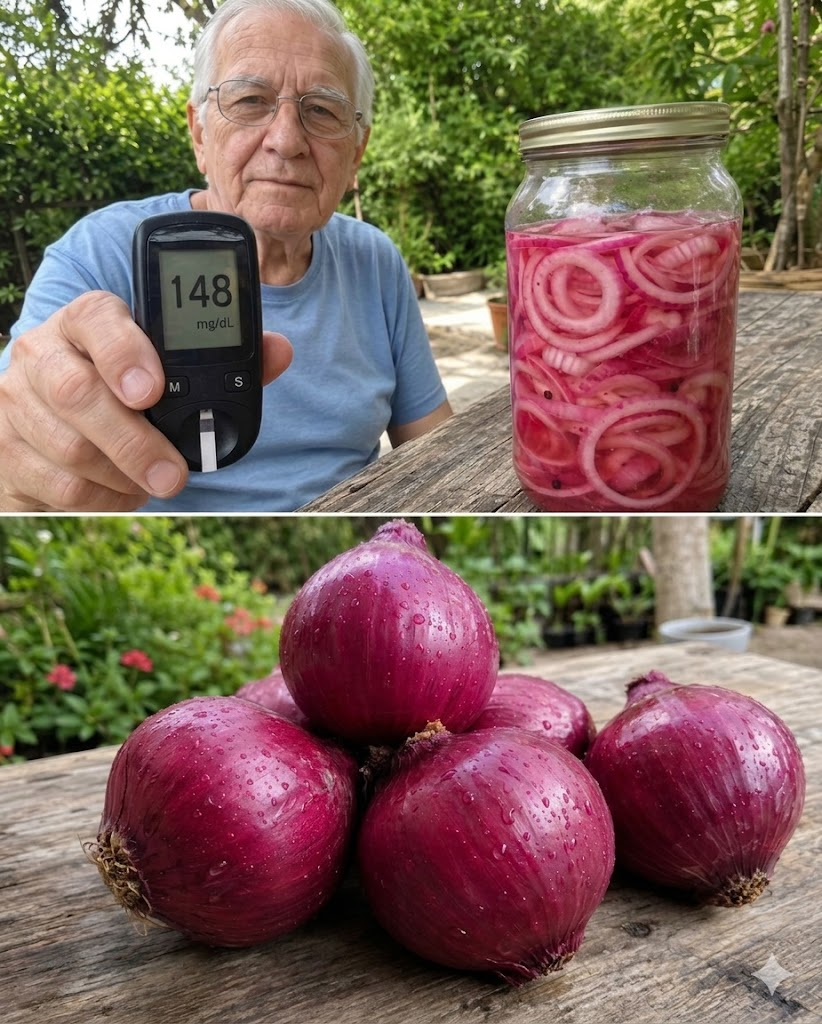
The Hidden Power of Onion: Nutrition, Benefits, Traditional Uses, and Healthy Ways to Enjoy It
Onions are among the most commonly used vegetables worldwide. Found in kitchens across nearly every culture, they add flavor, aroma, and depth to countless recipes. But onions offer much more than culinary value. They contain important nutrients, antioxidants, and plant compounds that have attracted scientific interest for their potential role in supporting overall health.
For centuries, onions have been used in traditional wellness practices throughout Asia, Europe, Africa, and the Middle East. While onions are not a cure for any disease, they can be a valuable part of a nutritious and balanced diet.
Let’s explore what makes onions so special, their nutritional value, potential health benefits, traditional uses, and practical ways to include them in your daily meals.
What Makes Onions So Valuable?
Onions are nutrient-dense while remaining relatively low in calories. They provide a variety of vitamins, minerals, and beneficial plant compounds that support overall wellness.
Key Nutrients Found in Onions
A medium onion contains:
- Vitamin C
- Vitamin B6
- Folate
- Potassium
- Manganese
- Fiber
- Natural antioxidants
- Sulfur-containing compounds
These nutrients work together to support various functions throughout the body.
Powerful Plant Compounds
Onions are especially rich in:
- Quercetin
- Anthocyanins (particularly in red onions)
- Organosulfur compounds
- Flavonoids
These compounds contribute to many of the health benefits associated with onions.
Health Benefits of Onions
Rich Source of Antioxidants
One of onion’s most impressive qualities is its antioxidant content.
Antioxidants help protect cells from oxidative stress caused by unstable molecules called free radicals.
Oxidative stress is associated with:
- Aging
- Inflammation
- Environmental damage
- Chronic health conditions
Quercetin, one of the main antioxidants found in onions, has been studied extensively for its protective properties.
Supports Heart Health
Onions contain several compounds that may contribute to cardiovascular wellness when consumed as part of a healthy diet.
Potential benefits include:
- Supporting healthy blood vessel function
- Helping maintain normal cholesterol levels
- Supporting healthy circulation
- Contributing to overall cardiovascular health
A diet rich in vegetables, including onions, is consistently associated with better heart health outcomes.
Supports Immune Function
Vitamin C plays an important role in normal immune system function.
Regular consumption of foods rich in vitamin C may help support:
- Immune defenses
- Tissue repair
- Collagen production
- Antioxidant protection
Onions can contribute to overall vitamin C intake alongside fruits and other vegetables.
Supports Healthy Digestion
Onions contain dietary fiber and prebiotic compounds that nourish beneficial gut bacteria.
Healthy gut bacteria are associated with:
- Improved digestion
- Better nutrient absorption
- Balanced gut microbiome
- Overall digestive wellness
Prebiotics serve as food for beneficial bacteria already living in the digestive system.
May Help Support Healthy Blood Sugar Balance
Some research suggests that compounds found in onions may support normal glucose metabolism.
Scientists continue studying:
- Quercetin
- Sulfur compounds
- Other plant-based antioxidants
While onions should not be considered a treatment for blood sugar concerns, they can be included as part of a balanced dietary approach.
Onion Peels: The Often Overlooked Treasure
Many people discard onion peels without realizing they contain concentrated levels of beneficial compounds.
Why Onion Peels Matter
Research suggests onion peels may contain even higher concentrations of quercetin than the onion flesh itself.
The outer layers are particularly rich in:
- Flavonoids
- Antioxidants
- Polyphenols
Although onion peels are generally too tough to eat directly, they can still be used in several practical ways.
Onion Peel Tea
One traditional use involves making onion peel tea.
Ingredients
- Peels from one clean onion
- 2 cups water
- Optional lemon
- Optional honey
Directions
- Wash the onion peels thoroughly.
- Bring water to a boil.
- Add the peels.
- Simmer for 10–15 minutes.
- Strain the liquid.
- Add lemon or honey if desired.
- Serve warm.
The resulting tea has a mild earthy flavor and contains some of the plant compounds found in the peels.
Using Onion Peels in Broths and Soups
Another practical use for onion peels is adding them to homemade broths.
Benefits
Onion peels may:
- Enhance flavor
- Add color
- Contribute antioxidants
- Reduce food waste
Simply add clean onion peels while simmering vegetable or bone broth and strain them out before serving.
Healthy Ways to Eat More Onions
Raw Onions
Raw onions provide a stronger flavor and preserve heat-sensitive nutrients.
Popular uses include:
- Garden salads
- Sandwiches
- Wraps
- Salsas
- Tacos
Cooked Onions
Cooking onions softens their texture and creates natural sweetness.
Great options include:
- Soups
- Stews
- Stir-fries
- Pasta sauces
- Roasted vegetables
Caramelized Onions
Slow cooking onions develops their natural sugars and creates rich flavor.
Caramelized onions pair well with:
- Burgers
- Grain bowls
- Omelets
- Roasted meats
Pickled Onions
Pickled onions add tangy flavor and can be used on:
- Salads
- Tacos
- Sandwiches
- Rice dishes
Different Types of Onions
Yellow Onions
The most common variety.
Best for:
- Soups
- Stews
- General cooking
Red Onions
Contain anthocyanins that give them their purple-red color.
Best for:
- Salads
- Sandwiches
- Pickling
White Onions
Milder and slightly sweeter.
Best for:
- Mexican dishes
- Fresh salsas
- Light cooking
Sweet Onions
Naturally lower in sulfur compounds.
Best for:
- Roasting
- Grilling
- Onion rings
Common Myths About Onions
Myth: Onions Cure Diseases
While onions are nutritious, there is no scientific evidence that they cure diseases.
They support health as part of a balanced diet but should not replace medical treatment.
Myth: Onion Tea Replaces Medication
Natural beverages may complement healthy habits, but they are not substitutes for prescribed treatments.
Always follow professional medical advice.
Myth: Eating More Onions Guarantees Better Health
Even healthy foods should be consumed in moderation.
Excessive onion intake may cause:
- Bloating
- Gas
- Heartburn
- Digestive discomfort in sensitive individuals
Foods That Pair Well With Onions
Onions combine beautifully with many nutritious foods.
Vegetables
- Tomatoes
- Bell peppers
- Spinach
- Kale
- Carrots
Protein Sources
- Chicken
- Fish
- Eggs
- Beans
- Lentils
Whole Grains
- Brown rice
- Quinoa
- Oats
- Whole wheat products
Healthy Fats
- Olive oil
- Avocado
- Nuts
- Seeds
Lifestyle Habits That Matter More Than Any Single Food
While onions can be a healthy addition to meals, long-term wellness depends on overall lifestyle choices.
Balanced Nutrition
Focus on:
- Fruits
- Vegetables
- Whole grains
- Lean proteins
- Healthy fats
Regular Physical Activity
Exercise supports:
- Heart health
- Mobility
- Metabolism
- Mental well-being
Proper Hydration
Adequate water intake supports:
- Digestion
- Circulation
- Temperature regulation
Quality Sleep
Sleep helps regulate:
- Hormones
- Immunity
- Recovery
- Energy levels
Stress Management
Healthy stress-management techniques may include:
- Walking
- Meditation
- Deep breathing
- Social connection
Tips for Buying and Storing Onions
Choosing Onions
Look for onions that are:
- Firm
- Dry
- Free of soft spots
- Free of mold
Storage Tips
Store onions:
- In a cool, dry place
- Away from direct sunlight
- In a well-ventilated area
Avoid storing whole onions in sealed plastic bags, as this may encourage moisture buildup.
Frequently Asked Questions
Are onions healthy?
Yes. Onions provide antioxidants, vitamins, minerals, and fiber that can support overall health when included in a balanced diet.
Is onion peel safe to use?
Onion peels are commonly used in teas and broths after being thoroughly washed. They are generally not eaten directly because of their tough texture.
Can onions support heart health?
Onions contain antioxidants and plant compounds that may contribute to cardiovascular wellness as part of a healthy lifestyle.
Are raw onions healthier than cooked onions?
Both offer benefits. Raw onions retain certain heat-sensitive nutrients, while cooked onions are often easier to digest and still provide valuable compounds.
Can onions help digestion?
The fiber and prebiotic compounds in onions may help support healthy gut bacteria and digestive function.
Final Thoughts
The humble onion is far more than a flavor enhancer. Rich in antioxidants, vitamins, fiber, and beneficial plant compounds, it has earned a place in traditional diets around the world. Whether enjoyed raw, cooked, roasted, or incorporated into soups and broths, onions can contribute valuable nutrients to everyday meals.
Although onions are not miracle foods or cures for disease, they fit naturally into a healthy lifestyle centered on balanced nutrition, regular exercise, hydration, quality sleep, and stress management. Small, consistent dietary choices often have the greatest impact over time, and adding onions to your meals is one simple step toward supporting overall wellness.