

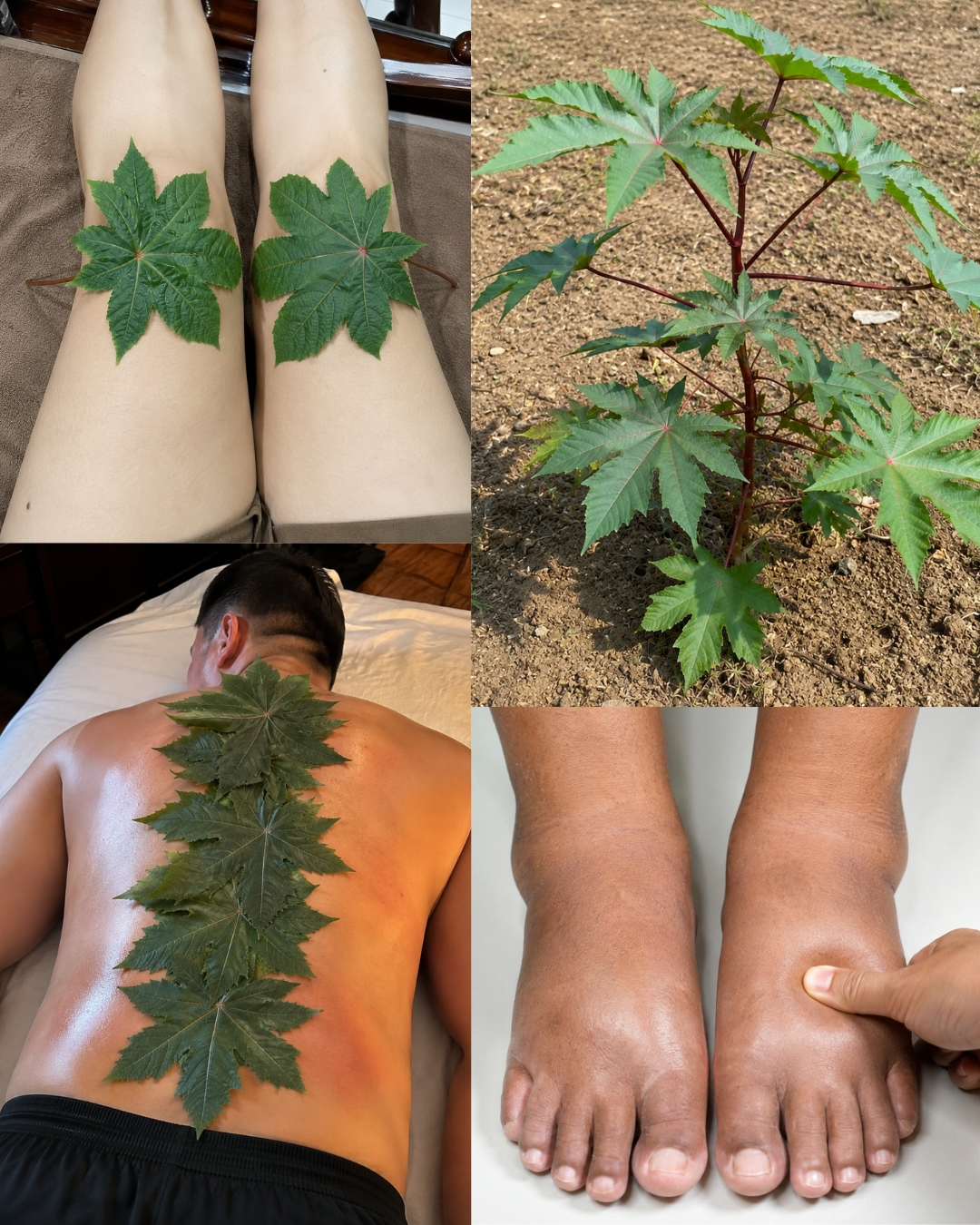
The castor plant, scientifically known as Ricinus communis, has been used in traditional wellness practices for centuries. While many people recognize castor oil as a common natural remedy, fewer realize that both castor leaves and castor seeds have long histories in herbal traditions around the world.
From soothing skin discomfort to supporting hair care and digestive health, different parts of the castor plant have been valued for a wide range of uses. However, it is also important to understand that castor seeds contain toxic compounds and should never be consumed raw.
This article explores the traditional uses, potential benefits, practical applications, and safety precautions related to castor leaves and castor oil.
What Is the Castor Plant?
The castor plant is a fast-growing tropical plant known for its large leaves and seed pods. The seeds are used to produce castor oil, a thick vegetable oil commonly used in:
- Traditional wellness remedies
- Hair care
- Skin care
- Cosmetic products
- Industrial products
Castor oil contains ricinoleic acid, a fatty acid linked to many of its traditional uses.
Benefits of Castor Leaves
Castor leaves have been used traditionally in topical remedies and herbal preparations. Although modern research remains limited for some uses, many people continue using them in folk wellness practices.
Anti-Inflammatory Properties
Castor leaves are often used in traditional compresses or poultices for muscle and joint comfort.
People traditionally apply warmed leaves to areas affected by:
- Joint stiffness
- Muscle soreness
- Mild swelling
- General discomfort
The warmth combined with the plant compounds may help create a soothing effect.
Traditional Compress Method
- Wash fresh castor leaves thoroughly
- Warm them gently in hot water
- Allow them to cool slightly
- Apply over the affected area
- Cover with a clean cloth
May Support Wound and Skin Care
Traditional practices sometimes use castor leaves for minor skin issues because of their plant compounds and soothing properties.
People may apply crushed leaves to:
- Minor cuts
- Scratches
- Insect bites
- Mild skin irritation
However, skin sensitivity can vary, so patch testing is important.
Traditionally Used for Menstrual Comfort
In some cultures, warmed castor leaves are placed over the lower abdomen during menstruation to promote comfort and relaxation.
Castor oil packs are also popular in some traditional wellness routines.
May Support Immune Wellness
Some traditional herbal systems use castor leaf tea or infusions for general wellness support.
Castor leaves contain plant compounds that researchers continue to study for their biological activity, though evidence in humans remains limited.
Traditional Uses for Skin Conditions
Castor leaves are sometimes used in folk remedies for:
- Dry skin
- Mild fungal irritation
- Skin redness
- Itching
Because reactions are possible, professional guidance is recommended before trying homemade herbal skin remedies.
Benefits of Castor Oil from Castor Seeds
The seeds of the castor plant are primarily known because they produce castor oil. This oil has become widely used in beauty and wellness applications.
Castor Oil as a Traditional Laxative
One of the oldest uses of castor oil is as a stimulant laxative.
Castor oil may help encourage bowel movements by stimulating intestinal muscles.
Important Reminder
Castor oil should only be used occasionally and carefully because overuse may cause:
- Diarrhea
- Cramping
- Dehydration
People with digestive conditions should consult a healthcare professional before use.
Popular Hair Care Ingredient
Castor oil has become especially popular in hair routines because of its thick texture and moisturizing properties.
Many people use it to support:
- Hair softness
- Scalp moisture
- Reduced dryness
- Hair appearance
Although claims about rapid hair growth are widespread online, scientific evidence remains limited.
How People Use It
- Massage small amounts into the scalp
- Apply to hair ends
- Use in overnight hair masks
Because castor oil is very thick, many people mix it with lighter oils such as coconut or jojoba oil.
Deep Moisturizing for Skin
Castor oil creates a protective barrier that helps reduce moisture loss from the skin.
It is commonly used for:
- Dry patches
- Rough elbows
- Cracked heels
- Skin softness
Its thick consistency makes it especially useful for overnight moisturizing treatments.
May Help Support Minor Wound Care
Some studies suggest castor oil has antimicrobial and anti-inflammatory properties that may support skin healing.
People sometimes apply small amounts to:
- Minor scrapes
- Dry skin irritation
- Small cracked areas
Medical-grade products should always be preferred for serious wounds.
Traditional Use for Labor Induction
Castor oil has historically been used in attempts to stimulate labor because of its effect on intestinal muscles and nearby uterine activity.
However, this practice should never be attempted without medical supervision because it may lead to:
- Severe cramping
- Dehydration
- Complications
Pregnant individuals should always consult healthcare professionals before using castor oil internally.
Antimicrobial Properties
Research has explored castor oil’s ability to help reduce certain bacteria and fungi on the skin.
This contributes to its popularity in:
- Natural skincare
- Hair products
- Traditional remedies
How to Use Castor Oil Safely
For Hair
- Warm a small amount between your hands
- Massage gently into scalp or hair
- Leave for several hours or overnight
- Shampoo thoroughly
For Skin
- Apply a thin layer to dry areas
- Use sparingly because it is thick
- Avoid contact with eyes
For Occasional Constipation
Only use food-grade castor oil and follow proper dosage instructions carefully.
Consult a healthcare professional before internal use.
Important Safety Precautions
Although castor oil itself is widely used, raw castor seeds are extremely dangerous.
Raw Castor Seeds Are Toxic
Raw castor seeds contain ricin, a highly toxic compound that can be life-threatening if ingested.
Never eat raw castor seeds.
Symptoms of ricin poisoning may include:
- Vomiting
- Severe stomach pain
- Diarrhea
- Difficulty breathing
Seek immediate medical help if poisoning is suspected.
Possible Skin Sensitivity
Some individuals may experience skin irritation from castor leaves or oil.
Always perform a patch test before larger applications.
Avoid Excessive Internal Use
Too much castor oil may cause:
- Diarrhea
- Dehydration
- Electrolyte imbalance
- Digestive discomfort
Who Should Avoid Castor Oil Without Medical Advice?
People who are:
- Pregnant
- Breastfeeding
- Taking medications
- Managing digestive disorders
should consult a healthcare professional first.
Traditional Uses vs. Scientific Evidence
Many castor plant remedies come from traditional medicine systems that have been used for generations.
While some modern studies support certain uses, not all traditional claims are fully confirmed by scientific research.
The best approach is balance:
- Appreciate traditional practices
- Use products responsibly
- Maintain realistic expectations
- Continue following medical guidance when needed
Frequently Asked Questions
Are castor leaves safe to eat?
Castor leaves are not commonly consumed as food. Herbal preparations should only be used carefully and with proper knowledge.
Is castor oil safe for daily use?
Topical use is generally common in moderation, but internal daily use is not recommended without medical guidance.
Can castor oil grow hair faster?
Many people use castor oil for healthier-looking hair, but scientific evidence for dramatic hair growth remains limited.
Can castor oil help dry skin?
Yes, castor oil is known for its strong moisturizing properties.
Are raw castor seeds dangerous?
Yes. Raw castor seeds contain ricin and should never be eaten.
Final Thoughts
Castor leaves and castor oil have been valued in traditional wellness practices for generations. From soothing dry skin and moisturizing hair to supporting occasional digestive relief, the castor plant continues to play a role in many natural routines today.
At the same time, understanding proper safety precautions is extremely important — especially regarding the toxicity of raw castor seeds and the careful use of castor oil internally.
When used thoughtfully and responsibly, castor-based products may offer supportive benefits as part of a balanced wellness lifestyle.