
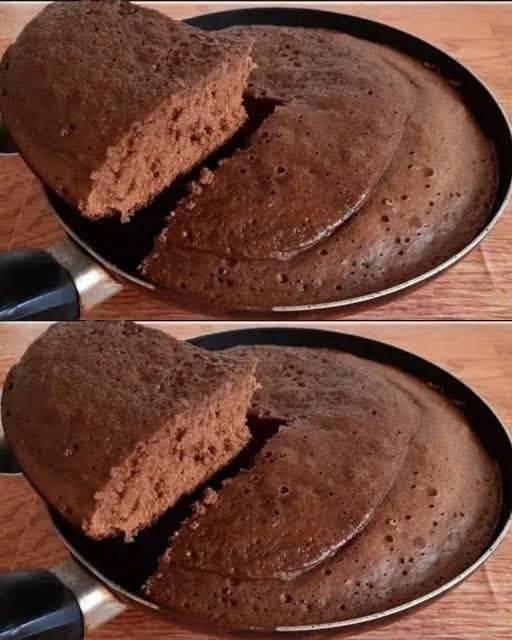
Skillet chocolate cake is proof that baking does not need to be complicated, expensive, or dependent on an oven. This humble yet deeply satisfying dessert is made entirely on the stovetop using a simple non-stick skillet, basic pantry ingredients, and gentle heat. The result is a soft, moist chocolate cake with a tender crumb that feels comforting and homemade in the best possible way.
This style of cake is especially popular in homes where ovens are unavailable, unreliable, or simply inconvenient to use. It is also ideal for small kitchens, quick desserts, and moments when you want something sweet without turning baking into a full project. With minimal equipment and straightforward steps, skillet chocolate cake is accessible to beginner cooks while still appealing to experienced home bakers who appreciate its simplicity.
In this article, you’ll learn everything you need to know about making a perfect skillet chocolate cake, including how it works, why it succeeds without an oven, common mistakes to avoid, variations to try, serving ideas, storage tips, and frequently asked questions.
Why Skillet Chocolate Cake Is So Popular
The appeal of skillet chocolate cake lies in its practicality. It requires no oven preheating, no specialty pans, and no complex techniques. Everything happens in one bowl and one pan, making cleanup minimal and preparation fast.
This cake is also economical. It uses everyday ingredients such as eggs, flour, oil, milk, sugar, and chocolate drink powder. Because of this, it is often made as a last-minute dessert or a comforting treat when supplies are limited.
Another reason for its popularity is texture. When cooked slowly over low heat, the cake steams gently inside the covered skillet. This creates a moist, soft interior that is difficult to achieve with high oven heat. The result is closer to a tender sponge cake than a dry baked loaf.
Ingredients and Their Role in the Recipe
Understanding what each ingredient does will help you achieve better results and make confident adjustments if needed.
Eggs
Eggs provide structure and stability. They help the cake rise slightly and give it a cohesive crumb.
Sugar
Sugar sweetens the cake and contributes to moisture. It also helps with browning, even on the stovetop.
Oil
Oil keeps the cake moist and soft. Unlike butter, oil remains liquid at room temperature, which prevents the cake from drying out.
Milk
Milk adds moisture and helps dissolve the dry ingredients, creating a smooth batter.
Chocolate Drink Powder
Chocolate drink powder provides chocolate flavor and sweetness. It is lighter than cocoa powder and usually contains sugar, which affects both taste and texture.
All-Purpose Flour
Flour forms the structure of the cake. Too much flour can make the cake dense, while too little can make it collapse.
Baking Powder
Baking powder is the leavening agent. It releases gas when heated, helping the cake rise even without an oven.
Step-by-Step Method Explained
Mixing the Liquid Ingredients
Start by whisking the eggs and sugar until smooth. This step helps dissolve the sugar and incorporate air into the mixture. Adding the oil and milk next ensures the liquids are fully emulsified, which leads to a smoother batter.
Incorporating the Dry Ingredients
The chocolate powder is added first so it dissolves evenly without clumping. Flour is added gradually to avoid lumps. Mixing gently but thoroughly ensures the cake remains tender.
Adding the Baking Powder
Baking powder should always be added last. Overmixing at this stage can reduce its effectiveness, so stir gently just until combined.
Cooking in the Skillet
Cooking over very low heat is the most important part of this recipe. High heat will burn the bottom before the center cooks. Keeping the skillet covered traps steam, allowing the cake to cook evenly from top to bottom.
Using a heat diffuser, extra rack, or baking tray underneath the skillet helps regulate the heat and prevents scorching.
How Skillet Baking Works Without an Oven
Unlike ovens, which surround food with consistent heat, stovetops heat from the bottom only. This means skillet baking relies on a combination of low heat and trapped steam.
The lid plays a crucial role. As the batter heats, moisture turns into steam and circulates inside the covered skillet. This mimics the environment of an oven and allows the cake to rise and cook through evenly.
Patience is essential. Skillet cakes take longer than oven cakes and require steady, gentle heat.
Common Mistakes and How to Avoid Them
One of the most common mistakes is using high heat. This causes the bottom to burn while the center remains raw. Always cook on the lowest heat setting possible.
Another mistake is lifting the lid too often. Every time the lid is lifted, heat and steam escape, which can prevent the cake from rising properly.
Overmixing the batter after adding baking powder can also lead to a dense cake. Mix gently and stop as soon as everything is combined.
Using a skillet that is too thin can result in uneven cooking. A heavy-bottomed or non-stick skillet distributes heat more evenly.
Texture and Flavor Expectations
Skillet chocolate cake has a soft, moist texture with a light crumb. It is not as fluffy as a layered sponge cake but not dense like a brownie. The flavor is mild and sweet, making it perfect for pairing with toppings or sauces.
Because chocolate drink powder is used instead of cocoa powder, the chocolate flavor is gentle rather than intense. This makes the cake appealing to children and those who prefer lighter chocolate desserts.
Easy Variations to Try
You can customize this cake easily without changing the cooking method.
Add chocolate chips to the batter for pockets of melted chocolate.
Stir in chopped nuts for crunch and contrast.
Add a teaspoon of vanilla extract for extra aroma.
Replace part of the milk with brewed coffee to deepen the chocolate flavor.
Swirl in a spoonful of chocolate spread or dulce de leche before cooking.
Serving Suggestions
Skillet chocolate cake can be served warm or at room temperature.
Serve it plain for a simple snack.
Dust with powdered sugar for a classic look.
Top with chocolate sauce, caramel, or condensed milk.
Serve with fresh fruit such as strawberries or bananas.
Pair with whipped cream or a scoop of ice cream for a more indulgent dessert.
Storage and Reheating
Once cooled, the cake can be stored covered at room temperature for up to one day.
For longer storage, refrigerate it in an airtight container for up to three days.
To reheat, warm slices gently in a skillet with a lid or microwave briefly. Avoid overheating, as this can dry out the cake.
Frequently Asked Questions
Can I use cocoa powder instead of chocolate drink powder?
Yes, but you will need to increase the sugar, as cocoa powder is unsweetened. Replace the chocolate drink powder with 2 tablespoons of cocoa powder and add an extra 2 to 3 tablespoons of sugar.
Can I make this cake without eggs?
Yes. You can replace the eggs with ½ cup of yogurt or ½ cup of mashed banana. The texture will be slightly denser but still moist.
What size skillet works best?
A medium-sized skillet, about 8 to 9 inches in diameter, works best. Using a larger skillet will result in a thinner cake that cooks faster.
How long does it take to cook?
Cooking time varies depending on heat and skillet thickness, but it usually takes 25 to 35 minutes on very low heat.
How do I know when the cake is done?
Insert a toothpick into the center. If it comes out clean or with a few moist crumbs, the cake is done.
Can I double the recipe?
Yes, but you will need a larger skillet and a longer cooking time. Keep the heat very low and check doneness carefully.
Final Thoughts
Skillet chocolate cake is a wonderful reminder that great desserts do not need fancy tools or complicated methods. With a single pan, basic ingredients, and a bit of patience, you can create a comforting chocolate cake that feels homemade and satisfying.
Whether you are avoiding the oven, short on time, or simply looking for a cozy dessert made the old-fashioned way, this skillet cake delivers reliable results every time. It is versatile, forgiving, and perfect for everyday baking moments that call for something warm, sweet, and simple.