
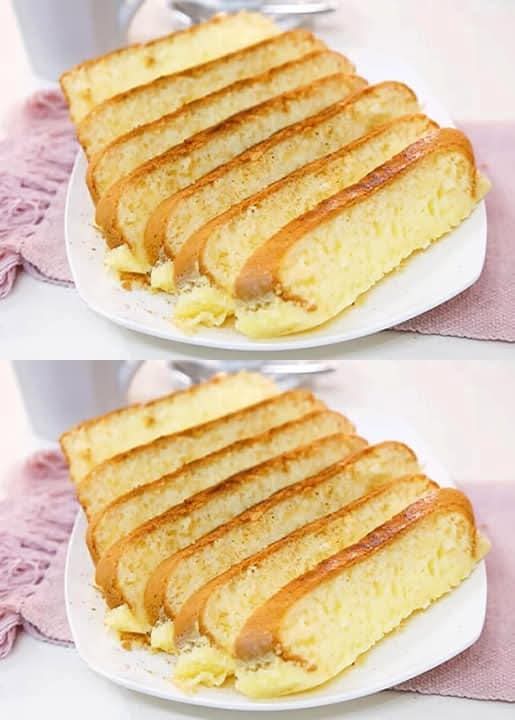
Bread is one of the most comforting foods in the world, but traditional recipes often rely heavily on wheat flour and long baking times. For those looking to avoid flour, reduce gluten, or simply prepare something quick and satisfying without turning on the oven, Skillet Bread Without Flour is a brilliant alternative.
This recipe uses everyday ingredients like eggs, cream cheese, Parmesan cheese, and cornstarch to create a soft, flavorful bread cooked entirely in a skillet. It’s light yet filling, rich without being heavy, and incredibly versatile. Whether you enjoy it for breakfast, as a snack, or alongside savory meals, this bread delivers excellent texture and taste with minimal effort.
What makes this bread especially appealing is its simplicity. There’s no kneading, no yeast, and no waiting for dough to rise. Everything comes together in minutes, making it ideal for busy days or spontaneous cravings.
Why Skillet Bread Without Flour Is So Popular
This bread has gained popularity for several reasons:
- It’s naturally gluten-free, depending on the cornstarch brand used
- It cooks quickly on the stovetop
- It requires no oven or special equipment
- It uses affordable, accessible ingredients
- It has a soft interior and lightly crisp exterior
Because it’s cooked over low heat, the texture stays tender while developing a golden crust. The combination of eggs and cheese provides structure and richness, while cornstarch replaces flour and keeps the bread light.
Ingredient Breakdown and Their Purpose
Understanding each ingredient helps you achieve the best result and allows for confident substitutions if needed.
Eggs
Eggs are the backbone of this recipe. They provide structure, moisture, and protein. When beaten, they help trap air, contributing to a lighter texture.
Cream Cheese (Brazilian-Style Requeijão)
Cream cheese adds creaminess, moisture, and a mild tangy flavor. Brazilian-style requeijão is softer and creamier than standard cream cheese, but regular cream cheese works as well if softened.
Parmesan Cheese
Parmesan contributes saltiness, depth of flavor, and helps the bread firm up as it cooks. Grated Parmesan also enhances browning and adds a savory note that makes this bread ideal for both plain eating and savory toppings.
Cornstarch (Maizena)
Cornstarch replaces flour in this recipe. It provides structure without gluten and keeps the crumb soft and smooth. It also helps bind moisture and prevent the bread from becoming dense.
Baking Powder
Baking powder is essential for lift. Since there is no yeast, it creates gentle air pockets that give the bread a lighter texture.
Salt
Salt balances the richness of the cheeses and enhances overall flavor. Because Parmesan is naturally salty, it’s best to add salt gradually.
Step-by-Step Preparation Explained
Step 1: Beating the Eggs
Start by beating the eggs thoroughly in a bowl. This step is important because well-beaten eggs incorporate air, which contributes to a softer final texture. The mixture should look slightly frothy and uniform.
Season with salt at this stage so it distributes evenly throughout the batter.
Step 2: Adding the Cream Cheese
Add the cream cheese to the beaten eggs and mix until smooth. If the cream cheese is too cold, it may form lumps, so letting it soften at room temperature beforehand makes mixing easier.
This step creates the creamy base of the batter and ensures the bread stays moist.
Step 3: Incorporating the Parmesan Cheese
Stir in the grated Parmesan cheese until fully combined. The batter will begin to thicken slightly at this point.
Parmesan adds structure and flavor, helping the bread hold together during cooking.
Step 4: Mixing in the Cornstarch
Add the cornstarch gradually, stirring continuously to avoid lumps. The batter should become smooth, thick, and pourable but not runny.
Cornstarch gives the bread its body and replaces traditional flour without making the bread heavy.
Step 5: Folding in the Baking Powder
Gently fold in the baking powder as the final step. Avoid overmixing after adding it, as this can reduce its leavening power.
This step ensures the bread rises slightly and stays light.
Step 6: Cooking the Bread in the Skillet
Grease a nonstick skillet lightly and preheat it over low heat. Low heat is crucial, as high heat can burn the outside before the inside cooks through.
Pour the batter into the skillet and spread it gently to form an even layer. Covering the skillet with a lid helps the top set more evenly.
Once the bottom is golden and releases easily, carefully flip the bread to cook the other side. Continue cooking until both sides are golden and the bread feels set when lightly pressed.
Step 7: Serving
Remove the bread from the skillet and serve immediately while warm. It can be sliced or torn by hand and enjoyed plain or with toppings.
Texture and Flavor Profile
This skillet bread has a soft, slightly chewy interior with a lightly crisp exterior. The flavor is savory and rich, thanks to the Parmesan and cream cheese, but mild enough to pair with a wide variety of foods.
It’s not airy like yeast bread, but it’s not dense either. The texture falls somewhere between a flatbread and a quick bread, making it extremely versatile.
Serving Ideas
Skillet bread without flour can be enjoyed in many ways:
- Spread with butter or cream cheese
- Served alongside soups and stews
- Used as a base for eggs or avocado
- Paired with salads
- Eaten as a snack on its own
It also works well as a breakfast bread when served with eggs or smoked salmon.
Storage and Reheating
This bread is best enjoyed fresh, but leftovers can be stored.
- Store in an airtight container in the refrigerator for up to 2 days
- Reheat in a skillet over low heat or briefly in the microwave
- Avoid freezing, as the texture may change
Common Mistakes to Avoid
- Using high heat, which causes burning
- Skipping the baking powder
- Not softening the cream cheese before mixing
- Overmixing after adding baking powder
- Flipping too early before the bottom sets
Paying attention to heat and texture ensures the best result.
FAQs
1. Is this bread completely gluten-free?
Yes, as long as the cornstarch and baking powder used are certified gluten-free.
2. Can I replace cornstarch with another starch?
You may try tapioca starch or potato starch, but results may vary slightly in texture.
3. Can I use regular cream cheese instead of requeijão?
Yes. Just make sure it’s softened for easier mixing.
4. Why is my bread too dense?
This can happen if the baking powder is old or if the batter is overmixed after adding it.
5. Can I add herbs or spices?
Absolutely. Dried herbs, garlic powder, or black pepper work very well.
6. Can I cook this in the oven instead?
Yes, it can be baked in a small greased pan at 180°C (350°F) until set and lightly golden.
Conclusion
Skillet Bread Without Flour is proof that making bread doesn’t have to be complicated. With simple ingredients, no oven, and just one pan, you can create a delicious, satisfying bread that fits into many dietary lifestyles.
Its soft texture, savory flavor, and quick preparation make it an excellent option for busy days or when you want something comforting without the fuss. Whether served fresh off the skillet or paired with your favorite meal, this bread is a practical and flavorful addition to any kitchen repertoire.