
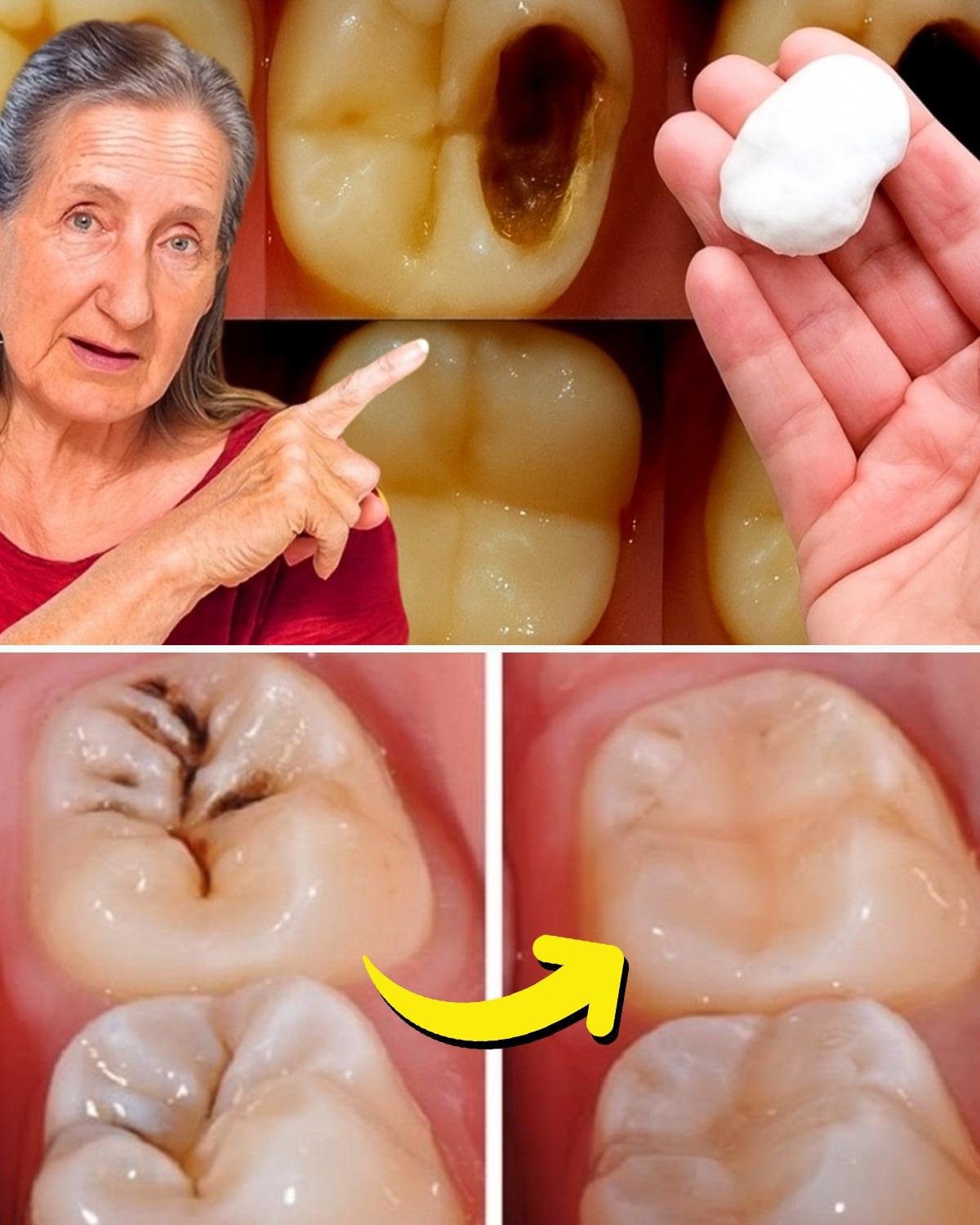
5 Powerful Home Remedies That May Help Prevent Cavities and Reduce Dental Visits
Taking care of your teeth goes beyond brushing twice a day. Many people follow a consistent oral care routine and still experience sensitivity, plaque buildup, or even cavities. This can feel frustrating—especially when you’re doing “everything right” but still not getting the results you want.
The truth is, oral health is influenced by more than just brushing and flossing. Factors like diet, saliva production, bacteria balance, and even daily habits all play a role. The good news? There are simple, natural remedies you can add to your routine that may support stronger enamel, reduce harmful bacteria, and help keep your smile healthier over time.
In this complete guide, you’ll discover five powerful home remedies, how they work, and how to use them safely for the best results.
Why Cavities Still Happen (Even With Good Hygiene)
Cavities don’t just come from eating sugar. They form when acid-producing bacteria break down food particles in your mouth, leading to enamel erosion. Over time, this creates small holes—or cavities—in your teeth.
Even if you brush regularly, you may still face issues due to:
Natural changes in the body
As you age, enamel becomes thinner and more vulnerable. Saliva production may decrease, especially if you take certain medications. Since saliva helps neutralize acids, less saliva means higher risk of decay.
Hidden sugars and acids
Many foods—even healthy ones like fruit juices or bread—can contribute to acid production. Frequent snacking also keeps your mouth in an acidic state.
Bacterial imbalance
Your mouth contains both good and bad bacteria. When harmful bacteria dominate, they produce more acid and increase the risk of cavities.
Because of these factors, adding natural support methods can help strengthen your overall oral defense.
Oil Pulling with Coconut Oil
What it is and why it works
Oil pulling is an ancient practice that involves swishing oil in your mouth for several minutes. It is believed to help remove bacteria and reduce plaque buildup.
Coconut oil is especially popular because it contains lauric acid, which has natural antibacterial properties. This may help reduce harmful bacteria linked to tooth decay.
How to do it
Take 1 tablespoon of coconut oil and place it in your mouth.
Swish gently for 10–20 minutes (start with 5 minutes if you’re new).
Spit the oil into the trash (not the sink).
Rinse your mouth with warm water.
Brush your teeth as usual.
What people notice
Many users report fresher breath, cleaner-feeling teeth, and reduced plaque after consistent use.
Daily Xylitol for Cavity Protection
Why xylitol is different
Xylitol is a natural sweetener that bacteria cannot feed on. Unlike sugar, it doesn’t contribute to acid production in the mouth.
Instead, it may:
- Reduce harmful bacteria levels
- Prevent plaque buildup
- Support saliva production
- Help protect enamel
How to use it
Chew xylitol gum or use xylitol mints after meals.
Aim for about 6–10 grams per day, spread throughout the day.
Simple habit to try
After lunch or snacks, chew a piece of xylitol gum for a few minutes. This helps clean your mouth and supports natural defense mechanisms.
Oregano Oil Mouth Rinse
Natural antimicrobial support
Oregano oil contains compounds like carvacrol and thymol, which are known for their antibacterial properties. When diluted properly, it can be used as a natural mouth rinse.
How to prepare it
Mix 2–3 drops of oregano oil with a glass of warm water.
Swish for 30–60 seconds, then spit it out.
Use once daily, preferably in the evening.
Important note
Always dilute oregano oil. It is very strong and should never be used directly.
Baking Soda and Hydrogen Peroxide Paste
Why it works
Baking soda helps neutralize acids in the mouth and gently polishes teeth. Hydrogen peroxide provides mild antibacterial action.
Together, they create a simple paste that may:
- Reduce plaque
- Support a balanced oral pH
- Improve surface stains
How to use it
Mix 1 teaspoon baking soda with a few drops of hydrogen peroxide to form a paste.
Brush gently for about 1 minute.
Rinse thoroughly.
Use this 2–3 times per week only—not daily—to avoid overuse.
Green Tea for Daily Oral Support
A powerful natural protector
Green tea is rich in antioxidants called catechins, which may help reduce bacteria and support gum health.
Regular consumption may:
- Reduce plaque formation
- Limit bacterial growth
- Support fresh breath
- Promote healthier gums
How to include it
Drink 2–3 cups of unsweetened green tea daily.
You can also use it as a gentle rinse after meals.
Daily ritual idea
Replace one sugary drink with green tea. Over time, this small change can make a noticeable difference.
How These Remedies Work Together
Each of these remedies targets a different aspect of oral health:
- Oil pulling helps remove bacteria
- Xylitol prevents bacteria from feeding
- Oregano oil controls microbial growth
- Baking soda balances pH
- Green tea supports long-term protection
When combined with regular brushing and flossing, they create a more complete oral care routine.
Tips for Best Results
Stay consistent
Small daily habits are more effective than occasional use. Choose one or two methods and stick with them.
Don’t overdo it
Natural doesn’t always mean unlimited. Use each remedy in moderation to avoid irritation.
Keep your basics strong
Brush twice daily with fluoride toothpaste and floss regularly. These remedies are meant to support—not replace—your routine.
Watch your diet
Limit sugary snacks and acidic drinks. Drink more water to help rinse your mouth naturally.
Schedule regular checkups
Even with the best home care, professional cleanings are still essential.
Frequently Asked Questions
Can these remedies replace brushing and flossing?
No. They are supportive methods and should be used alongside proper oral hygiene, not instead of it.
How long before I see results?
Some people notice fresher breath and smoother teeth within a few days. Long-term benefits typically appear after consistent use over several weeks.
Is oil pulling safe every day?
Yes, for most people. Start slowly and increase time gradually.
Can baking soda damage enamel?
If used too often or with too much pressure, it can be abrasive. Limit use to a few times per week.
Is xylitol safe?
Yes, for humans in moderate amounts. However, it is extremely toxic to dogs, so keep it out of their reach.
Can I use oregano oil daily?
Yes, but always dilute it and monitor for sensitivity.
Does green tea stain teeth?
It can cause mild staining over time, but far less than coffee or black tea.
Are these remedies safe for sensitive teeth?
Most are gentle, but always start slowly and stop if irritation occurs.
Final Thoughts
Taking care of your teeth doesn’t have to be complicated or expensive. By adding a few natural habits to your daily routine, you can support your oral health in a simple and effective way.
These remedies work best when used consistently and combined with good hygiene, a balanced diet, and regular dental visits. Over time, small changes can lead to stronger teeth, healthier gums, and greater confidence in your smile.
Start with just one method today—and build from there. Your future smile will thank you.