
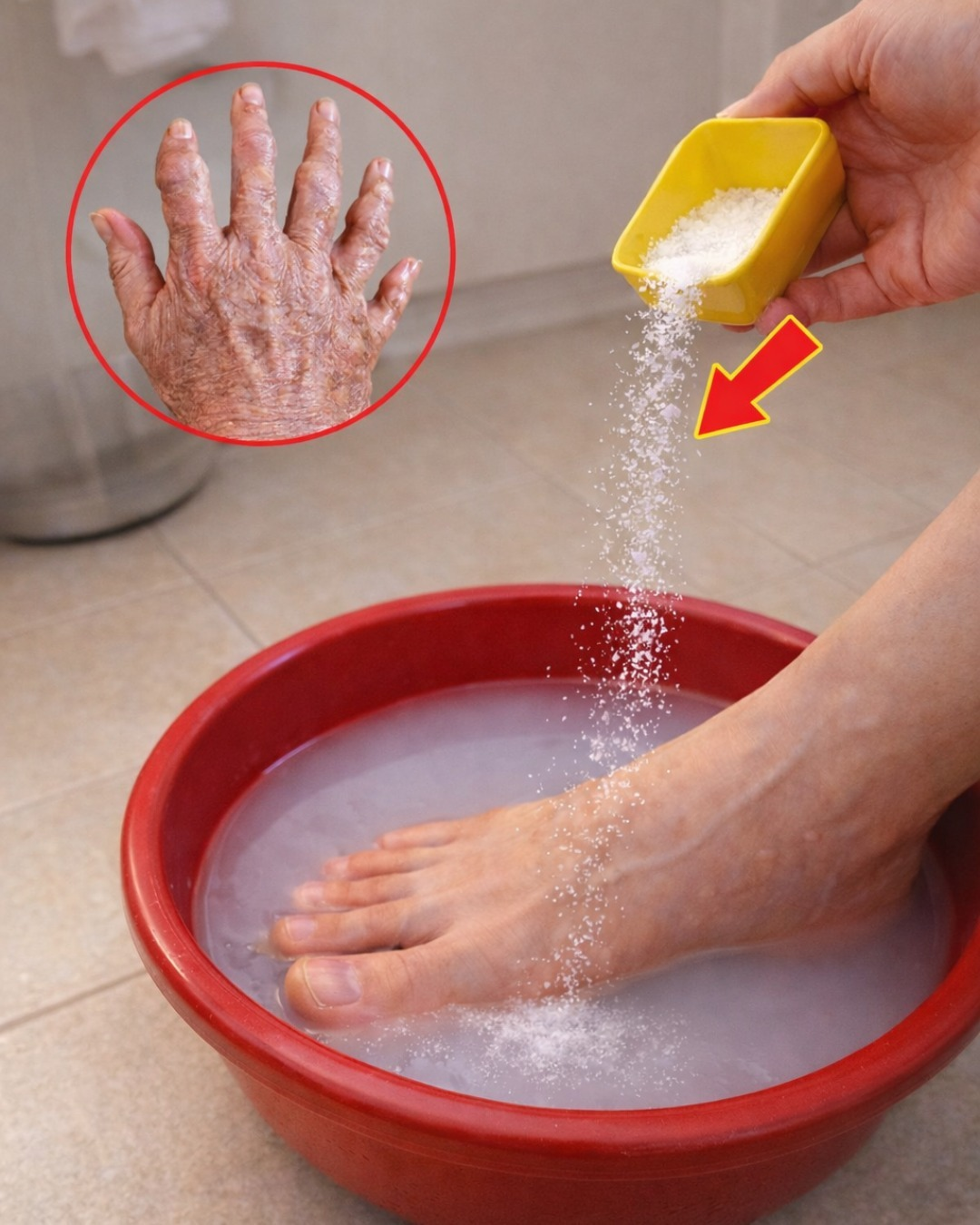
Foot discomfort becomes increasingly common with age, especially after 50. Many people begin to experience nighttime foot cramps that interrupt sleep, tingling sensations that feel like pins and needles, swelling that makes shoes feel tight, or persistent aching after standing or walking. These symptoms may seem minor at first, but over time they can affect balance, mobility, and overall quality of life.
Medical sources such as the Cleveland Clinic and the American Academy of Family Physicians report that nocturnal leg and foot cramps affect up to 60% of adults at some point. Among adults over 60, roughly one-third experience them regularly. Foot pain is also widespread, with estimates ranging from 13% to 36% of the general population, increasing with age due to changes in circulation, muscle tone, and joint health.
While medications, stretching, and supportive footwear can help, many people are searching for gentle, natural ways to support comfort—especially in the evening, when symptoms tend to worsen. One surprisingly simple ritual may offer that support: a warm, mineral-rich foot soak followed by a specific post-soak step that many people overlook.
This routine does not promise a cure, but it may help your feet relax, unwind, and recover at the end of the day. With consistency, it can become a calming habit that supports better evenings and more restful nights.
Why Foot Discomfort Often Worsens After 50
Aging brings natural changes that affect the feet more than many people realize. These changes often work together, increasing discomfort over time.
Reduced Circulation
Blood flow can slow with age due to less physical activity or natural vascular changes. Reduced circulation may contribute to cramping, swelling, and that heavy, tired feeling in the feet at night.
Muscle Fatigue and Tightness
Muscles lose elasticity over time. Long periods of standing or walking can lead to muscle fatigue that shows up later as nighttime cramps or soreness.
Nerve Sensitivity
Tingling or numbness can result from mild nerve irritation or sensitivity, which becomes more common with age. These sensations are often more noticeable when the body is at rest.
Inflammation and Joint Changes
Conditions such as arthritis or mild inflammation in the feet and ankles can contribute to aching, stiffness, and swelling, especially in the evening.
Because many of these factors are related to tension, circulation, and inflammation, supportive relaxation practices can play an important role in comfort.
How a Warm Foot Soak May Provide Gentle Support
Warm water immersion has been used for centuries as a way to relax the body. Heat encourages blood vessels to widen, which can support circulation and help muscles release tension.
Studies on heat therapy suggest it may help reduce muscle stiffness and promote relaxation. While a foot soak is not a medical treatment, it can complement other healthy habits by creating an environment where the feet can rest and recover.
Adding simple, household ingredients can enhance the experience without making it complicated or expensive.
Key Ingredients That Enhance the Soak
The Role of Salt for Comfort
Salt, especially Epsom salt (magnesium sulfate), is commonly used in foot soaks. While research on magnesium absorption through the skin is mixed, warm saltwater soaks are widely associated with relaxation and temporary reduction in swelling.
Many people report that their feet feel lighter, less tense, and more comfortable after consistent use.
Chamomile for Calming Support
Chamomile is known for its soothing properties and is often used to promote relaxation. Its natural compounds have been studied for mild anti-inflammatory and calming effects.
When added to warm water, chamomile may help relax tired muscles and contribute to a sense of calm—especially helpful for people whose discomfort interferes with sleep.
Apple Cider Vinegar for Gentle Balance
Apple cider vinegar contains acetic acid and is traditionally used for mild antimicrobial and skin-balancing purposes. Some people use vinegar soaks to support skin comfort and reduce minor swelling.
Combined with warmth, it may add another layer of gentle support without harshness.
Why These Ingredients Work Better Together
This foot soak works through synergy rather than relying on a single element.
- Warm water encourages circulation and muscle relaxation
- Salt supports comfort and may help with swelling
- Chamomile promotes relaxation and soothing
- Apple cider vinegar supports gentle balance
Together, they create a relaxing ritual that supports tired feet at the end of the day.
Potential Benefits You May Notice Over Time
With regular use, many people report gradual improvements rather than instant changes.
Short-Term Effects
- Immediate relaxation after soaking
- Reduced feeling of tightness or heaviness
- A calmer transition into evening rest
Ongoing Support
- Fewer nighttime cramps
- Less noticeable tingling sensations
- Reduced swelling by the end of the day
- Improved sleep quality due to greater comfort
Consistency is key. Most benefits are reported after repeated use over several weeks.
Simple Evening Foot Soak Ritual
Step-by-Step Instructions
- Fill a basin with approximately 2 liters of warm water. The temperature should feel comfortable, not hot.
- Add about 100 grams of salt (Epsom salt or sea salt) and stir until dissolved.
- Add 2 tablespoons of dried chamomile flowers or 2–3 chamomile tea bags.
- Pour in 100 milliliters of apple cider vinegar and mix gently.
- Soak your feet for 15–20 minutes while seated comfortably.
- Remove feet and pat dry thoroughly.
- Massage feet with a natural lotion or oil for several minutes.
That final massage step is essential. It helps encourage circulation and may extend the relaxing effects of the soak.
Timeline of What You Might Experience
- Week 1: Noticeable relaxation and reduced end-of-day tension
- Weeks 2–3: Fewer cramps or tingling sensations with regular use
- Week 4 and beyond: Improved overall comfort and more restful evenings
Everyone is different, but many people report gradual improvements rather than dramatic overnight changes.
Tips to Get the Most Out of This Routine
- Use warm, not hot, water to avoid irritation
- Soak in the evening to support nighttime relaxation
- Perform gentle ankle and toe movements during the soak
- Always dry feet completely afterward
- Follow with a short massage to enhance circulation
- Be consistent rather than occasional
- Pair the soak with light stretching if comfortable
This routine works best as a habit, not a one-time fix.
When to Be Cautious
This soak is generally gentle, but certain situations require extra care.
- Avoid soaking if you have open wounds or skin infections
- Check water temperature carefully if you have reduced sensation
- Consult a healthcare provider if you have diabetes, neuropathy, or circulatory conditions
- Stop if irritation occurs
Natural routines should always complement professional medical guidance, not replace it.
FAQs
How often should I do this foot soak?
Most people benefit from daily or every-other-day use, soaking for 15–20 minutes each time.
Can I use regular table salt instead of Epsom salt?
Yes, table salt can still provide relaxation benefits, but many people prefer Epsom salt for its mineral content.
Is this safe for people with sensitive skin?
Generally yes, but start with shorter soak times and test water temperature carefully.
Will this cure foot cramps permanently?
This routine is not a cure, but it may help support comfort and reduce frequency when used consistently.
Can I add essential oils?
You may add a drop of lavender or similar oil if you are not sensitive, but it is optional.
Final Thoughts
Foot cramps, tingling, pain, and swelling can quietly wear you down over time, especially as you get older. While these issues are common, they do not have to define your evenings. A simple, warm foot soak using everyday ingredients offers a gentle way to support relaxation, circulation, and comfort.
When paired with the often-overlooked post-soak massage, this ritual becomes more than just a soak—it becomes a moment of care that helps your body wind down. With consistency and patience, many people find their evenings feel calmer and their nights more restful.