
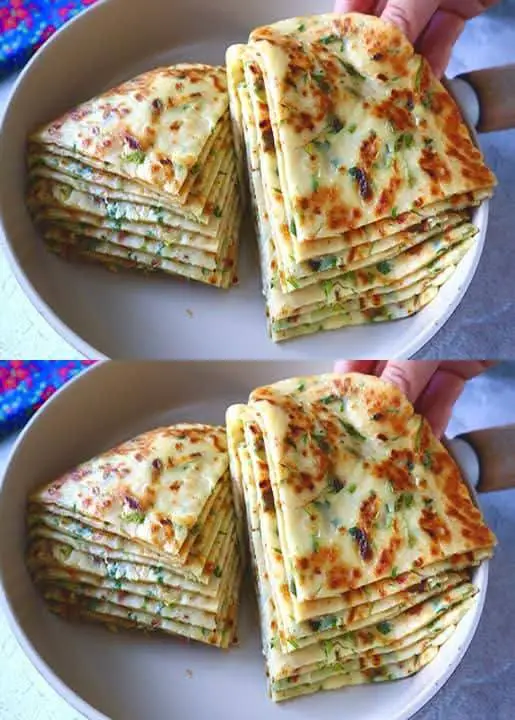
If you are looking for a budget-friendly, comforting, and versatile dish, these savory potato pancakes made with eggs and milk are a perfect choice. They combine simple pantry ingredients into a crispy, golden, and satisfying meal that works for breakfast, lunch, or dinner. With just a few potatoes, eggs, milk, flour, and seasonings, you can create a dish that feels both rustic and nourishing.
This recipe stands out because of its smooth blended batter. Instead of grating the potatoes like traditional hash browns or latkes, you blend them with eggs and milk to create a pancake-like mixture. The result is tender on the inside, slightly crispy on the outside, and full of comforting flavor.
In this detailed guide, you will learn how to prepare these savory potato pancakes step by step, understand why each ingredient matters, discover helpful cooking tips, and explore creative variations. By the end, you will feel confident enough to make this recipe your own.
Why You Will Love These Savory Potato Pancakes
There are many reasons to fall in love with this recipe.
First, it uses basic ingredients that most households already have. Potatoes, eggs, milk, and flour form the foundation. You do not need fancy tools or complicated techniques. A blender or immersion blender simplifies the process and saves time.
Second, the texture is incredibly satisfying. The outside turns golden and slightly crisp in a hot skillet, while the inside remains soft and tender thanks to the blended potatoes and milk.
Third, this recipe adapts easily. You can adjust the seasoning, add cheese, mix in vegetables, or serve it with different toppings. Whether you want something simple or more indulgent, this base recipe gives you flexibility.
Ingredients and Their Role in the Recipe
Let’s take a closer look at the ingredients and why they matter.
1. Russet Potatoes
Russet potatoes work especially well because they contain a good amount of starch. That starch helps bind the batter and gives the pancakes structure. When blended, the potatoes create a smooth base that cooks evenly in the pan.
Cutting them into small cubes before blending helps achieve a uniform texture. Smaller pieces blend faster and more smoothly.
2. Eggs
Eggs act as a binder. They hold the batter together and give the pancakes stability when you flip them. Eggs also add richness and help create a tender interior.
3. Milk
Milk softens the potatoes and makes the batter smoother. It also helps create a light, slightly creamy texture. Without milk, the mixture would feel too thick and heavy.
4. All-Purpose Flour
Flour thickens the batter and improves structure. It ensures the pancakes hold their shape in the skillet. When mixed properly, it creates a batter similar to traditional pancake batter.
5. Oil
Oil serves two purposes. First, you add a small amount to the batter for moisture. Second, you use it to grease the skillet so the pancakes do not stick and develop a golden crust.
6. Seasonings and Fresh Herbs
Salt enhances the overall flavor. Black pepper and paprika add warmth and subtle spice. Fine herbs give a delicate aroma. Chopped parsley and green onions bring freshness and color, balancing the richness of the potatoes and eggs.
Step-by-Step Preparation
Step 1: Prepare the Potatoes
Peel the russet potatoes and cut them into small cubes. Smaller cubes blend more easily and produce a smoother batter. Place them in a large glass dish or blender container.
Step 2: Blend the Base
Add the eggs, milk, salt, and your chosen seasonings directly to the potatoes.
Use an immersion blender to blend everything until smooth. The mixture should look creamy and uniform, without visible chunks of potato.
If you do not have an immersion blender, transfer everything to a standard blender. Blend until well processed, then pour the mixture into a large bowl.
Step 3: Add Flour and Herbs
Add the all-purpose flour and chopped parsley and green onions to the blended mixture.
Stir well until you achieve a smooth batter with a consistency similar to traditional pancake batter. It should pour easily but not feel watery. If it seems too thick, add a small splash of milk. If it seems too thin, add a tablespoon of flour.
Step 4: Cook the Pancakes
Heat a non-stick skillet over medium heat. Lightly grease it with oil.
Pour a portion of the batter into the skillet. Use the back of a spoon to gently spread it into a round shape.
Cook until the bottom turns golden brown. This usually takes about 3 to 4 minutes. Flip carefully and cook the other side until golden and fully set.
Repeat with the remaining batter, adding a bit more oil to the skillet as needed.
Tips for Perfect Savory Potato Pancakes
- Use medium heat. If the heat runs too high, the outside browns too quickly while the inside remains undercooked.
- Do not overcrowd the skillet. Cook two or three pancakes at a time for better control.
- Let them cook fully before flipping. If you flip too early, they may break apart.
- Taste the batter before cooking the full batch. Adjust salt and spices if necessary.
- Keep cooked pancakes warm in a low oven while you finish the rest.
Serving Suggestions
These savory potato pancakes pair well with many toppings and sides.
For breakfast, serve them with a dollop of sour cream or Greek yogurt. You can also add a fried egg on top for extra protein.
For lunch or dinner, serve them with a fresh green salad, grilled vegetables, or roasted chicken. They also work well with smoked salmon for a more elegant presentation.
If you enjoy bold flavors, try topping them with shredded cheese, a spoonful of salsa, or even a garlic yogurt sauce.
Creative Variations
One of the best aspects of this recipe is its flexibility.
You can add grated cheese such as cheddar or mozzarella to the batter for extra richness.
You can mix in finely chopped spinach, zucchini, or bell peppers for added nutrition and color.
If you prefer a stronger flavor, add minced garlic or a pinch of chili flakes.
For a gluten-free version, replace the all-purpose flour with a gluten-free flour blend or a small amount of cornstarch.
Nutritional Benefits
Potatoes provide carbohydrates that supply energy. Eggs offer high-quality protein and essential nutrients. Fresh herbs contribute vitamins and antioxidants.
Although these pancakes contain flour and oil, you can keep them balanced by serving them with vegetables or lean proteins. Cooking them in a lightly greased non-stick skillet also helps control the amount of added fat.
Frequently Asked Questions
1. Can I make the batter ahead of time?
Yes, you can prepare the batter a few hours in advance and store it in the refrigerator. Stir it well before cooking, as the flour may settle at the bottom.
2. Can I freeze the cooked pancakes?
Yes. Let them cool completely, then place them in an airtight container with parchment paper between layers. Reheat in a skillet or oven until warm and crisp.
3. Why are my pancakes falling apart?
This usually happens if the batter contains too little flour or if you flip them too early. Make sure the first side cooks fully before turning.
4. Can I bake these instead of frying?
You can pour the batter into a lightly greased baking dish and bake at 375°F (190°C) until set and golden. The texture will be softer and less crispy than skillet-cooked pancakes.
5. What type of potatoes work best?
Russet potatoes work best because of their starch content. However, you can use other starchy potatoes if needed.
6. Can I make this recipe dairy-free?
Yes. Replace the milk with a plant-based alternative such as unsweetened almond milk or oat milk. The texture may vary slightly, but the pancakes will still cook well.
Conclusion
These savory potato pancakes made with eggs and milk offer a simple yet satisfying way to transform everyday ingredients into something special. The blending method creates a smooth batter, while skillet cooking delivers a golden, crispy finish.
With minimal effort and maximum flavor, this recipe fits perfectly into busy schedules. You can serve it as a hearty breakfast, a light lunch, or a comforting dinner. Best of all, you can customize it endlessly to suit your taste.
Once you try this method, you may find yourself returning to it again and again. It proves that with a few humble ingredients and a little creativity, you can create a dish that feels both comforting and impressive.