
If you’ve ever looked in the mirror and wished your hair felt thicker, stronger, or grew just a little faster, you’re far from alone. Hair concerns affect people of all ages, and while the beauty industry offers countless products promising overnight transformation, many people are turning back to simple, traditional remedies.
One of the most talked-about natural solutions today is rosemary — specifically a homemade rosemary infusion often called “rosemary dew.” Once considered an old-fashioned remedy passed down through generations, rosemary for hair growth is now gaining attention from modern research.
So, does rosemary really help hair grow? And what exactly is rosemary “dew”? Let’s explore both the tradition and the science behind this herbal hair ritual.
Why Rosemary Has Been Used for Hair for Centuries
Rosemary, scientifically known as Salvia rosmarinus (formerly Rosmarinus officinalis), has long been valued in Mediterranean cultures for culinary and medicinal purposes. Beyond its fresh, earthy aroma, rosemary contains natural compounds that may benefit scalp and hair health.
Historically, rosemary was believed to:
- Strengthen hair roots
- Prevent premature thinning
- Improve scalp circulation
- Add shine and softness
Grandmothers often brewed rosemary into rinses or infused oils, using them regularly as part of hair care routines.
What Makes Rosemary Potentially Beneficial for Hair?
Modern science is beginning to examine why this herb may have earned its reputation.
Improved Scalp Circulation
One of rosemary’s most discussed benefits is its ability to support blood circulation. Healthy hair growth depends on oxygen and nutrients reaching the hair follicles. By encouraging better circulation, rosemary may help create a more supportive environment for growth.
Antioxidant Protection
Rosemary contains antioxidants that help combat oxidative stress. Oxidative stress can damage hair follicles over time, potentially contributing to thinning or weaker strands.
Anti-Inflammatory Effects
Inflammation of the scalp may interfere with healthy hair growth. Rosemary’s anti-inflammatory properties may help calm irritation and create a balanced scalp environment.
Antimicrobial Properties
Mild scalp conditions such as dandruff or itchiness may disrupt hair health. Rosemary’s natural antimicrobial effects may help maintain a cleaner scalp.
What Research Says About Rosemary and Hair Growth
While rosemary is not a miracle cure, research has shown promising findings.
A well-known 2015 clinical study compared rosemary oil to 2% minoxidil (a common over-the-counter hair growth treatment). After six months of consistent use, participants using rosemary oil showed similar improvements in hair growth compared to those using minoxidil — with fewer reports of scalp itching.
Other smaller studies and laboratory research suggest rosemary may help:
- Improve hair thickness
- Increase hair density
- Support hair length over time
It’s important to note that results typically require consistent use for several months.
What Is Rosemary “Dew”?
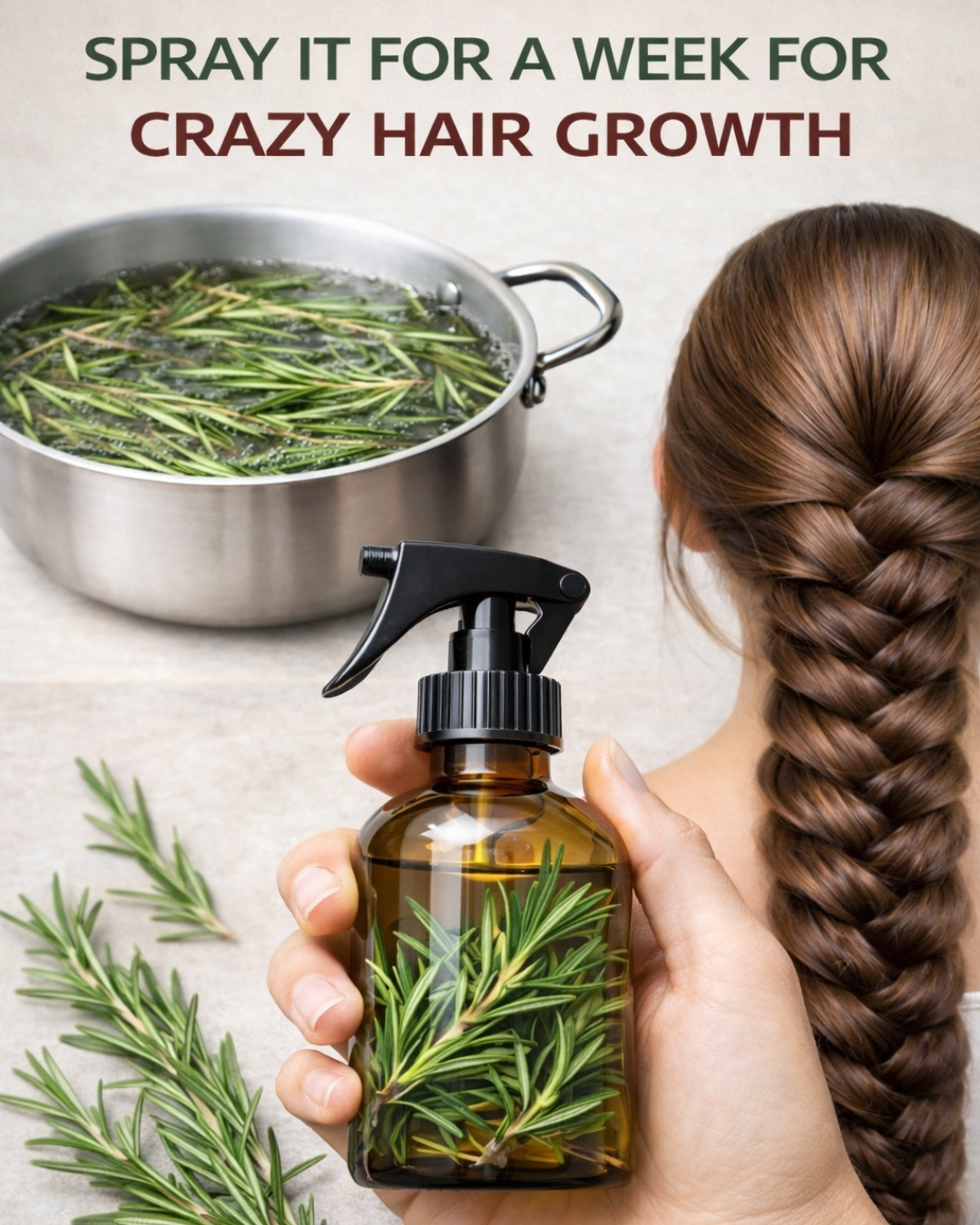
In natural beauty circles, “rosemary dew” refers to a rosemary water infusion — essentially a strong herbal tea made from rosemary and used as a scalp mist or rinse.
Unlike essential oil, rosemary dew is gentler and water-based. It can be sprayed directly onto the scalp without heavy oils, making it ideal for people who prefer lightweight hair treatments.
Think of it as a refreshing herbal tonic for your scalp.
How to Make Rosemary Dew at Home
Creating rosemary hair mist is simple and affordable.
Ingredients
- 4–6 large sprigs of fresh rosemary (or 4 tablespoons dried rosemary)
- 500 ml (about 2 cups) of water
- Optional: a small squeeze of lemon juice for shine
Step-by-Step Instructions
Boil the Water
Bring the water to a boil in a small saucepan.
Add the Rosemary
Add fresh or dried rosemary to the boiling water.
Simmer Gently
Lower the heat and allow the mixture to simmer for 10–15 minutes.
Steep and Cool
Turn off the heat and let the rosemary steep as the liquid cools completely. This allows the beneficial compounds to infuse into the water.
Strain the Liquid
Strain out the rosemary leaves and pour the cooled liquid into a clean spray bottle.
Your rosemary dew is ready to use.
How to Use Rosemary Dew for Best Results
Consistency is key.
Application Method
- Start with a clean scalp.
- Spray rosemary dew directly onto the scalp.
- Gently massage for 3–5 minutes to encourage circulation.
- Leave it in — no rinsing required.
Many people prefer applying it before bed and leaving it overnight.
How Often to Use
Use 3–5 times per week for best results. Improvements, if they occur, typically appear after 3–6 months of regular use.
Additional Benefits Beyond Hair Growth
Many users report benefits that go beyond growth alone.
Improved Shine
Rosemary can enhance the appearance of hair by smoothing the cuticle slightly, leading to more shine.
Reduced Dryness
Some people notice less scalp dryness or flaking with consistent use.
Refreshing Natural Scent
The herbal aroma provides a clean, refreshing fragrance without synthetic perfumes.
Lightweight Alternative to Oils
Unlike heavy oil treatments, rosemary dew won’t weigh hair down.
Who Might Benefit Most?
Rosemary dew may be helpful for people who:
- Experience mild thinning
- Have dry or irritated scalp
- Prefer natural hair care options
- Want to support overall scalp health
However, it may not be sufficient for severe hair loss conditions, which require medical evaluation.
Realistic Expectations
It’s important to stay realistic.
Rosemary may support hair growth by improving scalp conditions and circulation, but it:
- Does not guarantee dramatic regrowth
- Does not permanently cure genetic hair loss
- Requires consistent, long-term use
- Works best as part of a healthy routine
Patience is essential.
Supporting Hair Growth Holistically
Hair health is influenced by more than topical treatments.
Nutrition Matters
Protein, iron, zinc, and biotin all contribute to healthy hair growth.
Manage Stress
Chronic stress can push hair follicles into a resting phase, contributing to shedding.
Avoid Excessive Heat Styling
Heat damage weakens hair strands over time.
Use Gentle Hair Practices
Avoid tight hairstyles that strain hair roots.
Rosemary dew works best when combined with these supportive habits.
Safety Considerations
Natural does not always mean risk-free.
Patch Test First
Before full use, apply a small amount behind your ear and wait 24 hours to check for irritation.
Essential Oil Caution
If using rosemary essential oil instead of rosemary water, always dilute it with a carrier oil. Undiluted essential oils can irritate the skin.
Consult a Professional
If you experience sudden or severe hair loss, consult a dermatologist. Underlying conditions may require medical treatment.
Tips for Best Results
- Use fresh rosemary when possible for stronger infusion.
- Store rosemary dew in the refrigerator for up to one week.
- Massage the scalp gently to stimulate circulation.
- Combine use with a balanced diet rich in protein.
- Avoid overloading hair with multiple treatments at once.
- Be consistent for at least three months before evaluating results.
- Keep your scalp clean to allow better absorption.
Small, steady habits make the biggest difference.
Frequently Asked Questions
How long does it take to see results with rosemary dew?
Most people need 3–6 months of consistent use before noticing visible improvements in thickness or reduced shedding.
Can rosemary dew regrow bald spots?
It may support mild thinning, but it is not proven to reverse advanced or genetic baldness.
Is rosemary dew safe for colored hair?
Yes, rosemary water is generally safe for color-treated hair, though very light hair may experience slight temporary darkening with frequent use.
Can I use dried rosemary instead of fresh?
Absolutely. Dried rosemary works well and is convenient.
Should I rinse it out?
Rosemary dew can be left in the hair and scalp. If preferred, you may rinse after several hours.
Can men and women both use it?
Yes, rosemary dew is suitable for all genders.
Is rosemary better than minoxidil?
They work differently. Minoxidil is FDA-approved for hair loss treatment, while rosemary is a natural alternative with emerging research support.
Final Thoughts
Rosemary “dew” is a beautiful example of traditional wisdom meeting modern research. While it’s not a miracle cure, both history and science suggest rosemary may help create healthier conditions for hair growth when used consistently.
It’s affordable, simple to prepare, and easy to incorporate into a weekly routine. With patience, gentle care, and realistic expectations, rosemary dew may help support stronger, shinier, healthier-looking hair — just like grandma always said.