
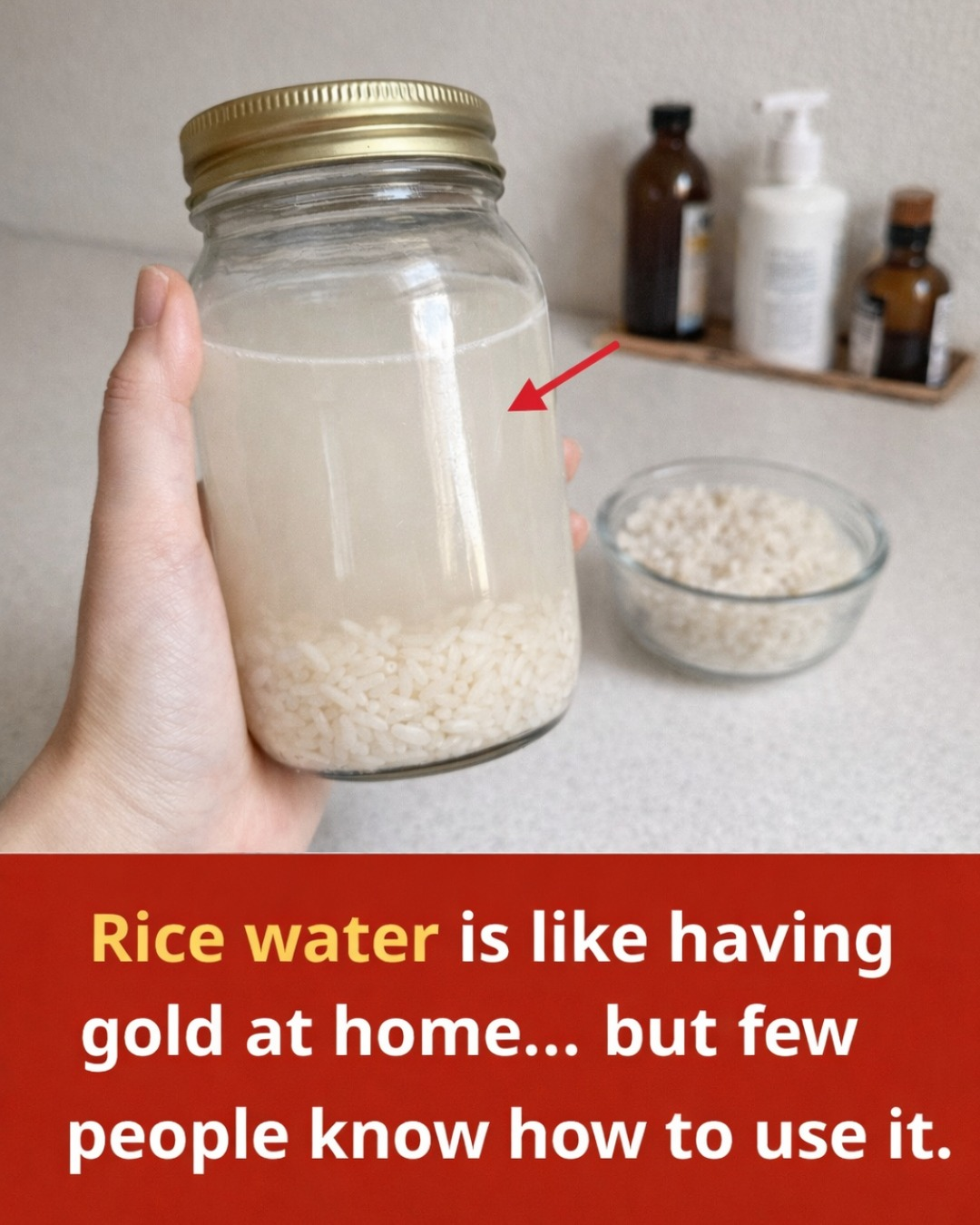
Every day, countless people rinse their rice and pour the cloudy water straight down the drain without realizing they may be discarding a simple, time-tested beauty ally. If you’ve ever struggled with dull skin, uneven tone, brittle strands, or hair that lacks shine, you know how frustrating it can feel. Expensive serums, masks, and treatments promise transformation—yet often leave behind irritation, buildup, or disappointment.
What if one of the gentlest, most affordable beauty boosters has been sitting in your kitchen all along?
Rice water—the milky liquid left after soaking or boiling rice—has been used in traditional beauty rituals for centuries, particularly in parts of East Asia. Historical accounts often reference the women of Huangluo village in China, sometimes associated with the Longsheng region, who are known for their exceptionally long, glossy hair and traditional rice-based rinses.
Modern cosmetic research has started exploring what traditional practices long suggested: rice water contains amino acids, vitamins, minerals, and inositol that may support smoother-looking skin and stronger-feeling hair.
Let’s explore how it works, how to prepare it properly, and how to use it safely for the best results.
What Makes Rice Water So Unique?
When rice is soaked or boiled, it releases several beneficial compounds into the water. These include:
- Amino acids
- B vitamins
- Vitamin E
- Minerals
- Inositol (a carbohydrate linked to hair support)
- Antioxidants
Inositol is especially interesting. Some cosmetic science studies suggest it may help reduce surface friction on hair and support elasticity. Meanwhile, antioxidants in rice water may help counter environmental stress that contributes to dullness and dryness.
Unlike many commercial products filled with synthetic fragrances and preservatives, rice water is simple, gentle, and customizable.
How Rice Water May Support Brighter, Smoother Skin
Rice water is often used as a natural facial rinse or toner. Its mild starchy composition gives it light astringent properties that may help refine the appearance of pores and reduce excess oil without stripping moisture.
Potential Skin Benefits
- A refreshed appearance
- Improved surface smoothness
- Balanced-looking skin tone
- Support for hydration
- A calming feel for occasional redness
Some small cosmetic studies have explored rice-derived ingredients and observed improved hydration levels over several weeks of use. While it’s not a miracle treatment, many users report that consistent application leads to a softer, more radiant appearance.
Chilling rice water before applying it can enhance its refreshing effect, especially in warm weather.
Supporting Skin Resilience Over Time
Environmental stressors like sun exposure, pollution, and dry air can affect skin comfort and texture. Rice water contains antioxidants that may help support the skin barrier.
Inositol has also been examined in cosmetic formulations for its role in maintaining skin elasticity. While results vary from person to person, many individuals appreciate that rice water feels lightweight and non-irritating compared to stronger exfoliants.
Consistency matters more than intensity. Gentle use over time tends to provide better results than overuse.
Unlocking Healthier-Looking Hair with Rice Water
Hair care is where rice water has gained widespread attention in recent years. Fermented rice water, in particular, has become popular for its potential strengthening properties.
A 2010 study published in the International Journal of Cosmetic Science noted that rice rinse water reduced surface friction and increased hair elasticity in laboratory testing. Reduced friction may translate to less breakage during brushing and styling.
Reported Hair Benefits
- Improved shine
- Smoother texture
- Reduced breakage
- Easier detangling
- A more manageable feel
It’s important to note that while rice water may help protect hair from damage, there is no strong clinical evidence proving it accelerates growth. However, reducing breakage can help hair appear longer over time.
Why Fermentation Changes Everything
Fermentation alters the composition of rice water slightly, increasing certain antioxidant levels and lowering pH. This may make it more aligned with the natural pH of hair.
Fermented rice water often smells slightly sour—that’s normal. Because fermentation increases potency, dilution is recommended before use to prevent dryness or buildup.
For hair, fermentation is often preferred. For facial use, plain soaked rice water is usually sufficient.
Gentle Applications for Skin Comfort
Rice water’s mild nature makes it suitable for soothing occasional skin discomfort. Some people use it as:
- A light facial rinse
- A cooling compress
- A bath additive
- A gentle body splash
Because it contains no added fragrance or alcohol (unless introduced), it may be more tolerable for sensitive individuals—though patch testing is still essential.
Internal Use: A Traditional Practice
In some cultures, boiled rice water (similar to congee broth) has been consumed as a simple hydration support during mild digestive discomfort.
Important distinction: Only freshly boiled rice water should ever be consumed. Raw soaking water or fermented rice water should not be ingested.
Always consult a healthcare professional for digestive issues rather than relying on home remedies alone.
How to Prepare Rice Water at Home
Making rice water is simple and requires no special tools.
Basic Soaking Method (Ideal for Skin)
- Rinse ½–1 cup of rice thoroughly to remove impurities.
- Add 2–3 cups of clean water.
- Let it soak for 30 minutes.
- Stir gently and strain the liquid into a clean container.
- Refrigerate for up to 5–7 days.
This version is mild and ready for facial application.
Fermented Rice Water (Popular for Hair)
- Prepare rice water using the soaking method above.
- Leave the strained liquid at room temperature for 24–48 hours.
- When it develops a slightly sour scent, refrigerate it.
- Dilute with clean water before applying to hair.
Always shake before use.
Using organic rice when possible may help reduce exposure to residues.
How to Use Rice Water in Your Routine
For Skin
- Apply with a cotton pad as a toner after cleansing.
- Leave on for 10–15 minutes before rinsing, or follow with moisturizer.
- Use 2–3 times per week initially.
For Hair
- Shampoo as usual.
- Pour diluted rice water over hair.
- Massage into scalp and strands.
- Leave for 10–20 minutes.
- Rinse thoroughly and condition lightly if needed.
Overuse may lead to dryness or protein buildup, so moderation is key.
Tips for Safe and Effective Use
Always perform a patch test on your inner arm before first use.
Dilute fermented rice water to reduce intensity.
Avoid using daily at first—start slowly.
Store in the refrigerator to maintain freshness.
Discard if odor becomes unpleasant beyond mild fermentation.
Moisturize after facial application to prevent tightness.
For hair, balance with deep conditioning if needed.
Consistency over time often produces more noticeable results than heavy application.
Integrating Rice Water Into a Sustainable Routine
Rice water offers more than cosmetic appeal—it promotes mindful consumption. Repurposing something you would normally discard reduces waste and supports sustainable habits.
Simple routines often outperform complicated ones. A twice-weekly rice water rinse may complement your skincare and haircare routine without replacing professional products entirely.
Small rituals can lead to gradual, visible changes.
Frequently Asked Questions
How often should I use rice water?
Most people begin with 2–3 times per week. Adjust based on how your skin or hair responds.
Is fermented rice water better than plain?
Fermented rice water may offer enhanced benefits for hair due to pH changes and increased antioxidant activity. Plain rice water works well for gentle skin toning.
Can rice water replace my moisturizer?
No. Rice water is best used as a toner or rinse. Follow with a moisturizer to lock in hydration.
Will rice water make hair grow faster?
There is no strong clinical proof that it accelerates hair growth. It may help reduce breakage, which can improve overall hair appearance.
How long does it take to see results?
Many users report subtle improvements within a few weeks of consistent use. Results vary depending on individual skin and hair type.
Can rice water cause irritation?
Yes, in some individuals. Always perform a patch test and discontinue use if irritation occurs.
Final Thoughts
Rice water is a simple, affordable, and time-honored beauty practice that continues to gain attention in modern routines. While it’s not a miracle cure, research suggests it may support hydration, smoothness, and shine when used consistently and responsibly.
The beauty of rice water lies in its simplicity. No complicated formulas. No harsh additives. Just a humble kitchen byproduct transformed into a gentle self-care ritual.
If you’re curious, prepare a small batch this week. Try it as a toner or a post-shampoo rinse and observe how your skin and hair respond. Sometimes, the most effective solutions aren’t found in expensive bottles—but in the everyday ingredients we overlook.