
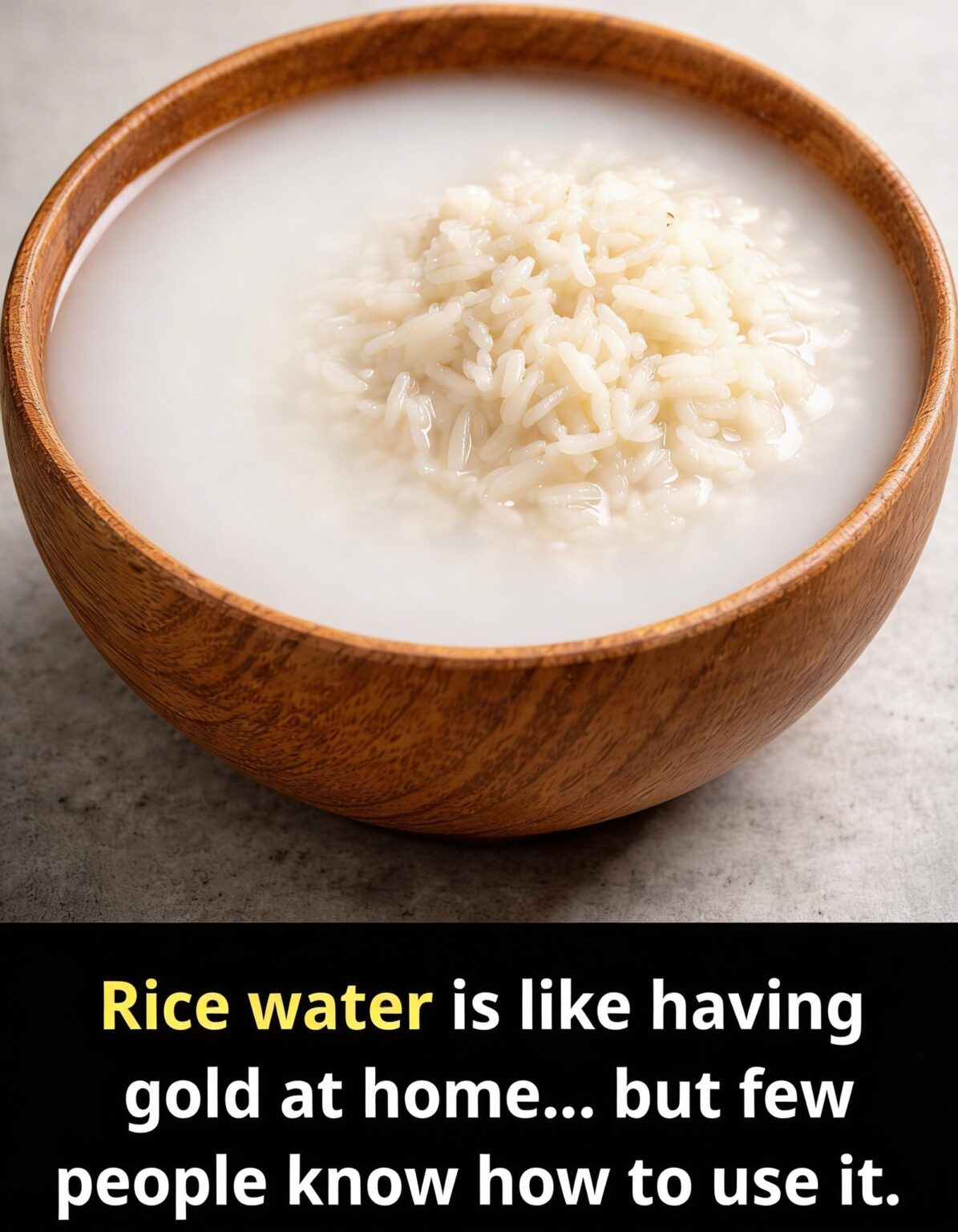
Every day, millions of people rinse rice before cooking and pour the cloudy water straight down the drain. What most don’t realize is that this simple liquid has been treasured for centuries in traditional beauty rituals. If you struggle with dull skin, uneven tone, frizzy hair, or breakage, rice water may be a gentle and affordable addition to your routine.
Expensive skincare and haircare products often promise dramatic results but can sometimes leave skin irritated or hair feeling heavy. Rice water, on the other hand, is simple, natural, and easy to prepare at home. While it’s not a miracle cure, its mild nutrients may support healthier-looking skin and stronger-feeling hair when used consistently.
In this complete guide, you’ll learn why rice water has remained popular for generations, what nutrients it contains, how to prepare both soaked and fermented versions, how to use it safely, and practical tips to get the best results.
Why Rice Water Has Been a Beauty Secret for Centuries
Across parts of Japan, China, and Korea, rice water has long been used as part of daily beauty rituals. Historical accounts often mention women using rice rinse water to wash their faces and hair. The well-known Yao women of China, for example, are frequently associated with long, glossy hair traditionally cared for using fermented rice water.
The appeal of rice water lies in its simplicity. It is gentle, widely accessible, and made from an ingredient already present in most kitchens.
Its popularity has endured because it contains naturally occurring compounds that may support:
- Skin hydration
- Barrier function
- Hair smoothness
- Reduced appearance of dullness
While traditional use does not equal scientific proof, modern analysis has identified beneficial nutrients that help explain its lasting reputation.
What Makes Rice Water Nutrient-Rich
When rice is soaked or boiled, it releases starches and trace nutrients into the surrounding water. These include:
Inositol
A carbohydrate linked in studies to improved hair elasticity and reduced surface friction.
Amino Acids
These are building blocks of proteins and may help support the skin barrier.
Antioxidants
Compounds that help protect against environmental stressors.
B Vitamins and Vitamin E
Nutrients associated with overall skin and hair nourishment.
These components work together to create a mild, soothing liquid that can be used topically.
Simple Soaked Rice Water Recipe for Beginners
If you are new to rice water, start with the basic soaked version. It is gentle, mild, and suitable for most skin and hair types.
Ingredients
- ½ cup rice (white, brown, or jasmine)
- 2–3 cups clean water
Preparation Steps
- Rinse the rice once quickly to remove surface debris.
- Add the rice to a bowl with 2–3 cups of clean water.
- Let it soak for 30 minutes.
- Stir occasionally to release nutrients.
- Strain the cloudy water into a clean container.
Storage
- Use immediately or refrigerate.
- Store for up to 3 days.
- Discard if the smell changes noticeably.
This version is ideal for daily facial use or as a gentle hair rinse.
Fermented Rice Water for Enhanced Benefits
Fermented rice water is considered more potent because fermentation may increase nutrient availability and alter the pH level.
Preparation Steps
- Prepare soaked rice water using the method above.
- Pour the strained liquid into a clean glass jar.
- Leave at room temperature for 24–48 hours.
- It is ready when it develops a slightly sour scent.
- Refrigerate immediately to slow fermentation.
Important: Always dilute fermented rice water with equal parts water before use.
Because it is stronger, patch testing is especially important before applying to face or scalp.
Using Rice Water as a Facial Toner
Rice water can be incorporated into your skincare routine as a gentle toner.
How to Apply
- Cleanse your face thoroughly.
- Soak a cotton pad in chilled rice water.
- Swipe gently over your skin.
- Allow it to air dry.
You may also pour rice water into a small spray bottle and use it as a refreshing facial mist throughout the day.
Possible Benefits
With regular use, some people notice:
- A softer skin texture
- Reduced appearance of dryness
- A brighter-looking complexion
- Improved comfort in sensitive areas
Because rice water is mild, it generally layers well under moisturizer.
Rice Water Hair Rinse for Shine and Strength
Hair that feels brittle, frizzy, or prone to breakage may benefit from a rice water rinse.
How to Use
- Shampoo your hair as usual.
- Slowly pour rice water over your scalp and hair lengths.
- Massage gently into the scalp.
- Leave on for 10–20 minutes.
- Rinse thoroughly with cool water.
For stronger treatment, use diluted fermented rice water once weekly.
Many users report improved shine, smoother strands, and easier detangling over time.
Additional Ways to Use Rice Water
Rice water is versatile and can be used beyond face toning and hair rinsing.
Soothing Bath Additive
Add one cup of rice water to warm bathwater for a gentle full-body soak.
Skin Compress
Soak a soft cloth in chilled rice water and apply to areas of occasional redness.
Cooling Mist
Store in the refrigerator and use during hot weather for a refreshing spray.
Always dilute fermented rice water before applying to large areas.
Practical Tips to Get the Best Results
To maximize benefits while minimizing potential irritation, follow these guidelines:
Use organic rice when possible to reduce pesticide residues.
Always perform a patch test before full application.
Start with plain soaked rice water before trying fermented versions.
Refrigerate your rice water and discard if the smell becomes unpleasant.
Avoid leaving rice water on hair longer than recommended, as protein buildup may cause stiffness.
Follow facial application with moisturizer to lock in hydration.
Use consistently for at least 2–4 weeks before evaluating results.
Be patient—natural approaches take time.
Common Mistakes to Avoid
Skipping Dilution
Fermented rice water can be strong. Always dilute before use.
Overuse on Hair
Too frequent application may lead to protein overload, making hair feel dry.
Improper Storage
Fresh rice water spoils quickly. Always refrigerate and monitor scent.
Using on Broken Skin
Avoid applying to open wounds or severely irritated areas.
Frequently Asked Questions
How often should I use rice water on my skin?
For most people, 2–3 times per week is a good starting point. Some tolerate daily use of the plain soaked version.
How often should I use rice water on my hair?
Once weekly is sufficient for fermented rice water. Plain soaked rice water may be used up to twice weekly.
Is fermented rice water better than plain?
Fermented rice water may contain enhanced nutrients and a slightly lower pH, which can benefit hair. However, plain rice water is gentler and better for beginners.
Can rice water lighten skin?
Rice water may help improve the appearance of uneven tone over time, but it does not bleach or permanently lighten skin.
Can I drink rice water?
Only boiled rice water (from cooking rice) is traditionally consumed for digestive comfort. Never drink raw soaked or fermented rice water.
How long does it take to see results?
Some people notice smoother hair after one use. Skin improvements typically appear gradually over several weeks.
Is rice water safe for sensitive skin?
It is generally mild, but patch testing is essential to rule out individual reactions.
Final Thoughts
Rice water is one of the simplest beauty traditions you can adopt. Affordable, accessible, and easy to prepare, it offers a gentle way to support healthier-looking skin and stronger-feeling hair.
While it is not a miracle cure, consistent and mindful use may lead to noticeable improvements in texture, hydration, and overall glow. Sometimes the most valuable remedies are the ones we’ve overlooked for years.
Instead of pouring it down the drain next time you rinse rice, consider saving it. With a little preparation and patience, this humble kitchen byproduct might become one of your favorite natural additions to your routine.