
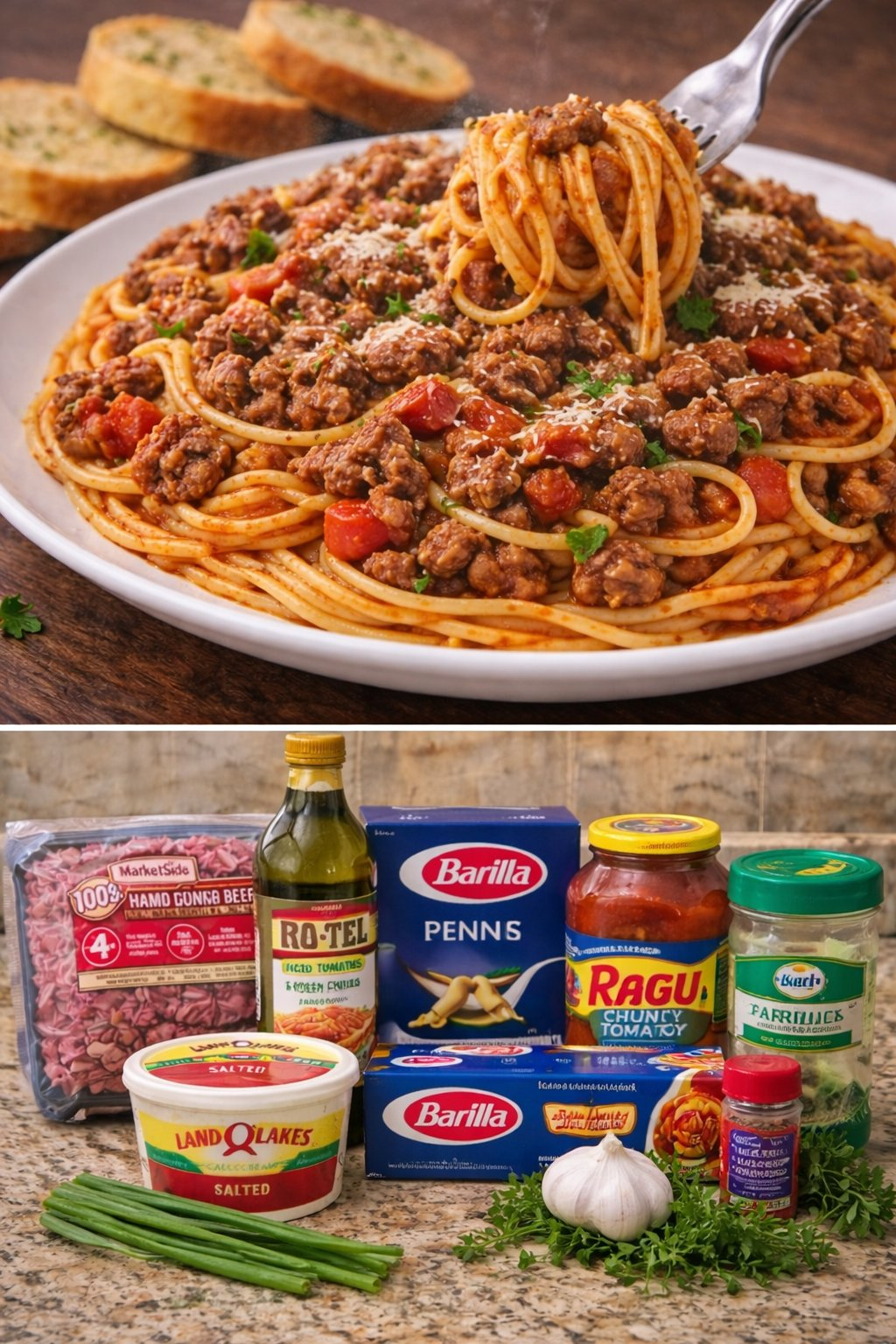
There’s something timeless about a big plate of old-fashioned spaghetti. It’s simple, hearty, and deeply comforting. The kind of meal that fills the kitchen with rich tomato aroma and brings everyone to the table without being called twice. This classic version sticks to the basics: tender pasta, savory ground beef, garlic, tomatoes, and familiar Italian-inspired seasonings simmered into a flavorful sauce.
Old-fashioned spaghetti isn’t about fancy ingredients or complicated techniques. It’s about slow simmering, balanced seasoning, and letting humble pantry staples transform into something satisfying. Whether you’re cooking for a busy weeknight dinner or recreating a nostalgic Sunday meal, this recipe delivers dependable, crowd-pleasing results every time.
Below you’ll find a detailed, step-by-step guide, helpful tips, variations, and answers to common questions to help you make the best old-fashioned spaghetti possible.
Why This Classic Spaghetti Recipe Works
This recipe has stood the test of time for good reason. It’s:
- Simple and budget-friendly
- Made with easy-to-find ingredients
- Rich and savory without being heavy
- Perfect for feeding a family
- Easy to double for leftovers
The slow simmering process allows the beef and tomato flavors to blend beautifully, while the pasta soaks up just enough sauce to make every bite satisfying.
Ingredients You’ll Need
For the Spaghetti
- 12–16 ounces spaghetti
- Water (for boiling)
- 1–2 tablespoons salt (for pasta water)
For the Meat Sauce
- 1 pound ground beef
- 1 small onion, diced
- 2–3 cloves garlic, minced
- 1 (28-ounce) can crushed tomatoes or 3–4 cups spaghetti sauce
- 1 teaspoon salt (adjust to taste)
- ½ teaspoon black pepper
- 1–2 teaspoons Italian seasoning
- Pinch of sugar (optional, to balance acidity)
- Grated Parmesan cheese (optional, for serving)
Step-by-Step Instructions
Boil the Spaghetti
Fill a large pot with water and bring it to a rolling boil. Add 1–2 tablespoons of salt to the water. Properly salted water enhances the flavor of the pasta itself.
Add the spaghetti and cook according to the package directions until al dente, meaning tender but still slightly firm to the bite. Stir occasionally to prevent sticking.
Once cooked, drain the spaghetti and set aside. Do not rinse the pasta, as the starch helps the sauce cling better.
Brown the Ground Beef and Onion
While the pasta cooks, place a large skillet or heavy-bottomed pot over medium heat.
Add the ground beef and diced onion. Cook, breaking up the beef with a spoon, until the meat is fully browned and the onion becomes soft and translucent. This usually takes about 6–8 minutes.
Once browned, carefully drain any excess grease to prevent the sauce from becoming overly oily.
Add the Garlic
Add the minced garlic to the skillet with the beef and onion.
Cook for about 30 seconds, stirring constantly. Garlic burns quickly, so keep the heat moderate and stir continuously. This step releases a fragrant, savory base for the sauce.
Build the Tomato Sauce
Pour in the crushed tomatoes or prepared spaghetti sauce.
Stir well to combine everything evenly. The tomato base should fully coat the meat mixture.
Season with salt, black pepper, and Italian seasoning. If the tomatoes taste particularly acidic, add a small pinch of sugar to balance the flavor. This doesn’t make the sauce sweet—it simply rounds out the acidity.
Simmer for Flavor
Reduce the heat to low and allow the sauce to gently simmer for 15–20 minutes.
Stir occasionally to prevent sticking. Simmering thickens the sauce slightly and deepens the flavor as the ingredients meld together.
If the sauce becomes too thick, you can add a small splash of water or broth to loosen it.
Serve and Finish
Place a generous portion of spaghetti on each plate and spoon the hot meat sauce over the top.
Finish with grated Parmesan cheese if desired. Serve immediately while hot.
The Secret to Truly Old-Fashioned Flavor
What makes this spaghetti “old-fashioned” isn’t complexity—it’s patience and balance.
Older home-style recipes often relied on slow simmering and simple seasoning rather than heavy cream or multiple specialty ingredients. Letting the sauce cook gently for at least 15–20 minutes allows the flavors to settle and intensify.
If you have extra time, simmering for 30–40 minutes on very low heat can make the sauce even richer.
Optional Add-Ins and Variations
This traditional recipe is delicious as written, but you can customize it easily.
Add Vegetables
Finely diced carrots, bell peppers, or mushrooms can be added when browning the onion for extra nutrition and texture.
Make It Spicier
Add red pepper flakes or a dash of hot sauce to give the sauce a subtle kick.
Use Different Meats
Try ground turkey, ground chicken, or even a combination of ground beef and Italian sausage for added flavor depth.
Make It Chunkier
Instead of crushed tomatoes, use diced tomatoes for more texture.
Add Fresh Herbs
Fresh basil or parsley sprinkled on top before serving brightens the dish beautifully.
How to Store and Reheat
Refrigeration
Allow leftovers to cool completely. Store sauce and pasta separately if possible in airtight containers for up to 4 days.
Freezing
The meat sauce freezes very well. Place in freezer-safe containers and freeze for up to 3 months. Thaw overnight in the refrigerator before reheating.
Freezing cooked pasta is possible but may slightly alter texture.
Reheating
Reheat sauce on the stovetop over low heat, adding a splash of water if needed. Warm pasta separately or toss directly into the reheated sauce.
Tips for the Best Old-Fashioned Spaghetti
Salt your pasta water generously. It should taste slightly salty like the sea. This is your only chance to season the pasta itself.
Do not overcook the pasta. Slightly firm spaghetti holds up better when combined with sauce.
Drain excess grease from the beef to prevent a heavy, oily sauce.
Simmer gently, not rapidly. A gentle bubble is ideal for developing flavor without scorching.
Taste and adjust seasoning before serving. Sometimes an extra pinch of salt or pepper makes all the difference.
Let the sauce rest for a few minutes before serving. This allows the flavors to settle.
If feeding a crowd, double the sauce. Extra sauce is always appreciated.
Serving Suggestions
Old-fashioned spaghetti pairs well with:
- Garlic bread
- Side salad with vinaigrette
- Steamed green beans
- Roasted vegetables
A simple meal of spaghetti, salad, and bread is satisfying and balanced.
Frequently Asked Questions
Can I use jarred spaghetti sauce instead of crushed tomatoes?
Yes. Jarred sauce works perfectly and saves time. You can still enhance it by simmering with browned beef, onion, and garlic for deeper flavor.
Why add sugar to spaghetti sauce?
Tomatoes can be acidic. A small pinch of sugar balances that acidity and smooths the overall flavor. It should not make the sauce taste sweet.
How do I prevent watery spaghetti?
Make sure to drain pasta well and simmer the sauce long enough to thicken. Avoid over-adding liquid.
Can I cook the pasta directly in the sauce?
It’s possible, but traditional old-fashioned spaghetti cooks the pasta separately. Cooking separately allows better texture control.
How long should I simmer the sauce?
At least 15–20 minutes is recommended. If you have more time, simmering for 30–40 minutes on low heat enhances the flavor even more.
What’s the best type of ground beef to use?
An 80/20 blend (80% lean, 20% fat) offers good flavor without being overly greasy. Drain excess fat after browning.
Can I make this recipe ahead of time?
Yes. In fact, the sauce often tastes even better the next day after the flavors have had more time to develop.
Old-fashioned spaghetti remains a beloved staple for a reason. It’s warm, filling, dependable, and adaptable. With just a handful of simple ingredients and a little patience, you can create a comforting meal that feels like home.
Whether you’re cooking for family, friends, or simply yourself, this classic recipe delivers timeless flavor in every bite.