
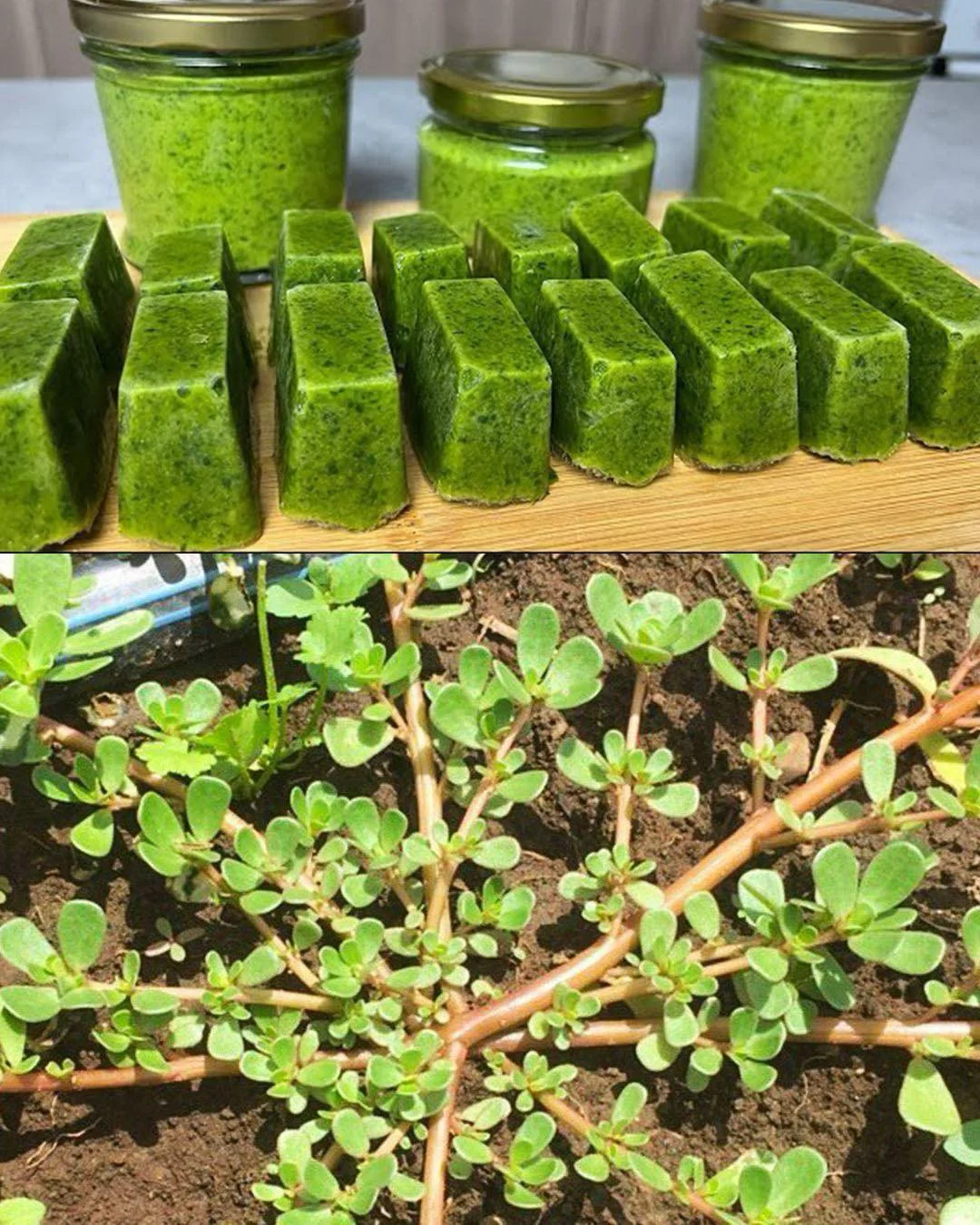
Most gardeners are trained to see certain plants as enemies. If it spreads fast, grows low, or pops up where it was not planted, the instinct is to pull it out, step on it, or spray it away. Purslane is one of those plants. It appears uninvited, hugs the ground, and survives even in harsh heat, so many people treat it as a nuisance. In reality, purslane is one of the most valuable plants quietly growing in gardens around the world.
This humble plant has been used as food, medicine, soil protection, and livestock feed for thousands of years. Ancient cultures prized it, modern nutrition science confirms its value, and experienced gardeners increasingly choose to manage it rather than destroy it. What looks like an ordinary weed is actually a resilient, edible, and soil-improving ally.
Understanding purslane can change the way you see your garden. Instead of fighting nature, you can work with it. Once you learn what purslane offers, you may never want to crush it underfoot again.
What Is Purslane and How to Identify It
Visual Characteristics
Purslane is a low-growing, spreading plant that forms mats across the soil surface. It rarely grows tall, preferring to expand outward instead. This growth habit is one reason it survives foot traffic and mowing.
The stems are smooth, thick, and often reddish or pinkish in color. They branch easily and lie close to the ground. The leaves are small, fleshy, and spoon-shaped, with a smooth surface and rounded tips. They store water, which allows the plant to survive drought.
Tiny yellow flowers may appear in warm weather, usually opening in bright sunlight. After flowering, purslane produces many tiny black seeds, which explains why it returns year after year.
Where It Thrives
Purslane loves heat and poor soil. It grows where other plants struggle: compacted ground, dry patches, cracks in sidewalks, and neglected garden beds. Instead of being a sign of bad soil, its presence often indicates living, biologically active ground.
Why Purslane Is Often Misunderstood
A Reputation as a Weed
Purslane spreads quickly and does not wait for permission. Because it appears suddenly and grows aggressively, gardeners often label it as invasive. However, fast growth is not the same as harmful growth. Purslane does not strangle crops or release toxins into the soil. It simply fills empty space.
Confusion With Toxic Look-Alikes
One reason people fear purslane is confusion with spurge, a toxic plant that can look similar at a glance. Spurge has thinner leaves and produces a white, milky sap when broken. True purslane never has milky sap. Proper identification is essential before any use.
Why Purslane Is Called Garden Gold
Edible and Highly Nutritious
Purslane is not just edible; it is one of the most nutrient-dense leafy greens available. It has been eaten in the Mediterranean, Middle East, Asia, and the Americas for centuries.
The leaves have a slightly lemony, fresh flavor with a gentle crunch. They can be eaten raw in salads, added to sandwiches, or cooked like spinach. When cooked, they soften and develop a mild, savory taste.
Purslane is especially notable for its omega-3 fatty acid content, which is rare in plants. It also contains vitamins A, C, and E, along with minerals such as magnesium, potassium, and iron. This combination made it valuable long before supplements existed.
Excellent Natural Ground Cover
Purslane acts like a living mulch. Its spreading growth shades the soil, reducing moisture loss during hot weather. This helps protect garden beds from drying out.
By covering bare soil, purslane also reduces erosion caused by wind and rain. It limits the space available for more aggressive, harmful weeds to establish themselves. Instead of leaving soil exposed, purslane protects it naturally.
Improves Soil Health Over Time
Purslane has a root system that helps loosen compacted soil. As it grows and is later cut back or composted, it adds organic matter to the ground.
When gardeners chop purslane and leave it on the soil surface, it breaks down quickly and feeds soil organisms. Over time, this improves soil structure, water retention, and microbial life. Healthy soil grows better plants.
Extremely Hardy and Self-Sufficient
Purslane requires no fertilizer, no extra watering, and no special care. It thrives in drought conditions and intense heat where many crops fail.
This resilience is not a flaw; it is a strength. Plants that survive easily often play important ecological roles. Purslane helps stabilize soil and maintain green cover during extreme weather.
If purslane grows in your garden, it is a sign that life persists even under stress.
How Gardeners Use Purslane Instead of Removing It
Harvesting for the Kitchen
Young purslane stems and leaves are the most tender and flavorful. Gardeners harvest them early and often, which naturally controls the plant’s spread.
It can be added fresh to salads, mixed into omelets, stirred into soups, or lightly sautéed. In some cultures, it is pickled or added to stews.
Using as Green Mulch
Instead of pulling purslane out by the roots, many gardeners cut it at soil level and leave it in place. This method, often called chop-and-drop, feeds the soil and preserves moisture.
Adding to Compost
Purslane breaks down quickly in compost piles. Its high water content helps balance dry materials like straw or leaves. Adding it to compost returns nutrients to the garden rather than wasting them.
Leaving Controlled Patches
Some gardeners allow purslane to grow in selected areas as intentional ground cover. By managing where it grows, they gain its benefits without letting it overwhelm crops.
Important Safety and Identification Notes
Correct Identification Is Essential
Never eat a plant unless you are completely certain of its identity. Purslane has no milky sap and has thick, smooth leaves. Spurge, a common look-alike, is toxic and should not be consumed.
Harvest From Clean Areas
Avoid collecting purslane from roadsides, polluted soil, or areas treated with chemicals. Like many plants, it can absorb contaminants.
Not a Miracle Cure
Purslane is nutritious and useful, but it is not a cure-all. It should be viewed as a healthy food and helpful plant, not a replacement for medical care.
Tips for Managing Purslane Wisely
Harvest frequently to prevent seed production.
Use scissors or a knife to cut stems rather than pulling roots.
Allow some plants to grow as soil cover during hot months.
Add excess growth to compost or use as mulch.
Learn to recognize toxic look-alikes before harvesting.
Wash thoroughly before eating.
FAQs
Is purslane really safe to eat?
Yes, true purslane is safe and has been eaten for centuries. Proper identification is crucial to avoid confusing it with toxic plants.
Why does purslane grow so aggressively?
Purslane is adapted to survive heat and poor soil. Its fast growth allows it to protect bare ground and complete its life cycle quickly.
Will purslane harm my vegetables?
Purslane does not release harmful chemicals or strangle crops. When managed properly, it can actually benefit the garden by protecting soil.
Can I completely remove purslane if I want to?
Yes, but complete removal is difficult due to its seed production. Managing it through harvesting and cutting is often more effective.
Does purslane mean my soil is bad?
No. Its presence often indicates living soil. It commonly appears in compacted or disturbed areas but contributes to soil improvement over time.
Conclusion
Purslane challenges the idea that all weeds are worthless. What many people crush without thought is actually a nutritious food, a soil protector, and a symbol of resilience. By learning to recognize and understand purslane, gardeners can turn frustration into opportunity.