
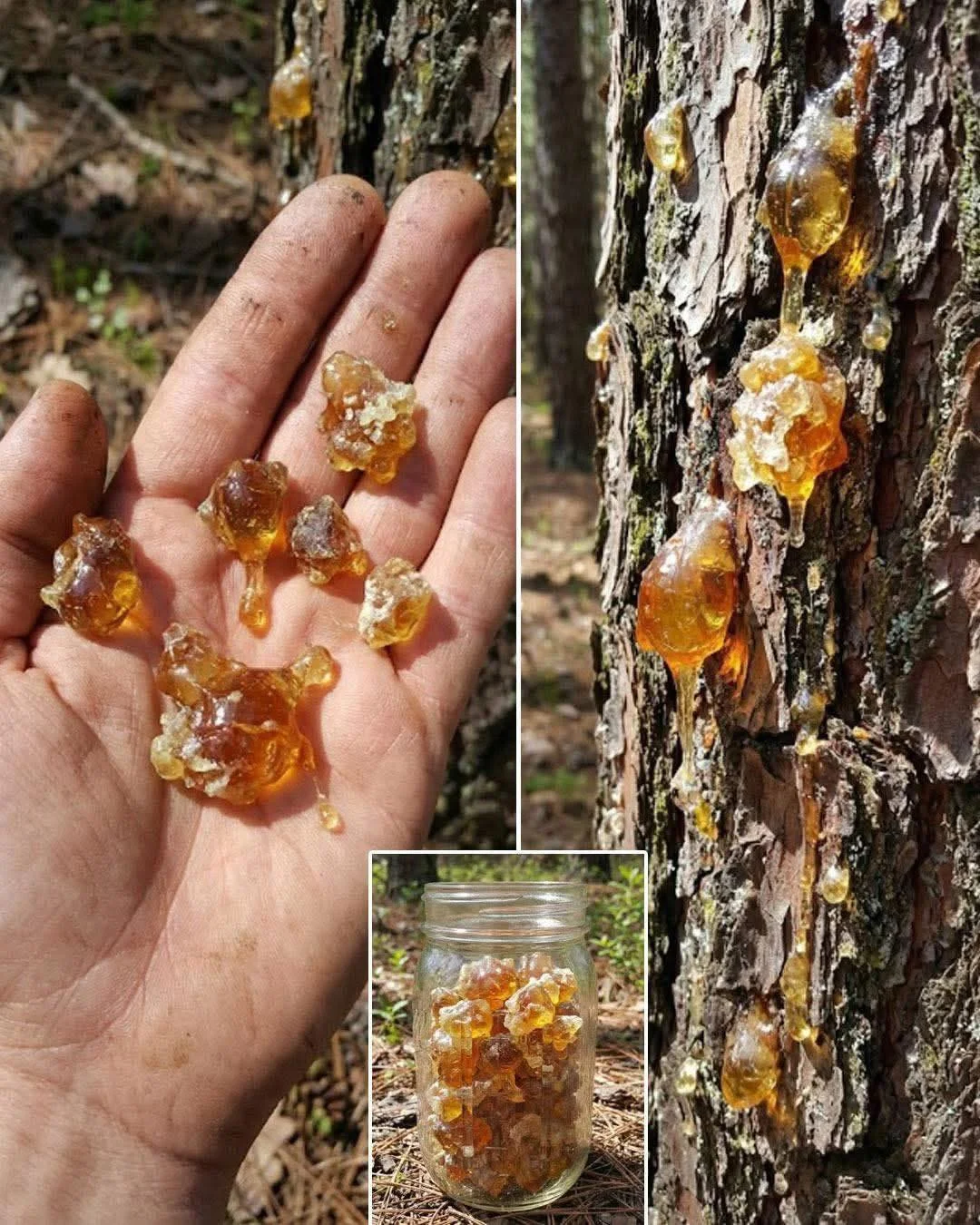
Natural tree resin is one of nature’s most fascinating survival tools. Thick, sticky, and often glowing in shades of amber or gold, resin is produced by trees as a response to injury, stress, or environmental threats. When bark is damaged, resin flows out to seal the wound, harden in contact with air, and protect the tree from insects, bacteria, and fungi.
Long before modern chemistry or medicine existed, humans noticed these protective qualities and began using tree resin in daily life. Across ancient civilizations and traditional cultures, resin played a role in healing, craftsmanship, preservation, spiritual rituals, and even food preparation. While it may look like a simple sap, tree resin is a complex natural substance with a long and meaningful history.
Understanding what tree resin is—and how it has been traditionally used—helps us appreciate why it continues to attract interest today.
What Tree Resin Is and Why Trees Produce It
Tree resin is not the same as sap. Sap transports nutrients and water inside a tree, while resin is a defensive secretion released only when the tree is injured or threatened. Once exposed to air, resin thickens and hardens, forming a protective barrier over the damaged area.
Trees produce resin to:
- Seal cuts, cracks, and wounds
- Prevent fungal and bacterial infections
- Deter insects and pests
- Protect against environmental stress such as cold or drought
Each tree species produces resin with a unique chemical profile. Pine resin, for example, is rich in terpenes and has a strong aroma, while acacia gum is water-soluble and commonly used in food products. Frankincense and mastic resins are prized for their fragrance and traditional wellness uses.
This diversity explains why resins have been used in so many different ways across cultures.
A Brief History of Human Use of Tree Resin
Archaeological evidence shows that humans have used tree resin for tens of thousands of years. Early humans used resin as an adhesive to bind stone tools to wooden handles. Ancient Egyptians incorporated resins like frankincense and myrrh into embalming practices. Greek and Roman civilizations valued resins for medicine, incense, and preservation.
In traditional societies, resin was not viewed as a cure-all. Instead, it was seen as a practical, supportive substance—useful, reliable, and accessible. This mindset is important when looking at resin today: its value lies in its versatility and gentle support, not exaggerated claims.
Traditional Benefits and Uses of Natural Tree Resin
Natural Antimicrobial Support
Many tree resins contain compounds that inhibit the growth of bacteria and fungi. Traditionally, resin was applied externally to help protect minor cuts, scrapes, and abrasions. Pine resin, in particular, was commonly used as a natural protective layer over small wounds.
This use was not meant to replace medical treatment, but rather to support cleanliness and healing in environments where modern antiseptics were unavailable.
Comfort for Minor Inflammation and Skin Irritation
Warmed resin mixtures were traditionally applied to areas of mild discomfort. People used them to soothe:
- Tired muscles after physical labor
- Minor joint stiffness
- Irritated or itchy skin
The warming effect, combined with resin’s natural compounds, made it a popular ingredient in traditional balms and salves.
Aromatic and Respiratory Traditions
Burning resin as incense is one of the oldest documented uses. Aromatic resins such as pine, copal, and frankincense were traditionally burned to:
- Freshen indoor air
- Support relaxed breathing
- Create calming environments
The smoke and aroma were believed to promote clarity and comfort, especially during seasonal changes.
Resin as a Powerful Natural Adhesive
Before synthetic glues existed, resin was one of the strongest natural adhesives available. Heated resin becomes pliable and sticky, then hardens as it cools.
Traditional applications included:
- Repairing wooden tools
- Sealing containers
- Waterproofing leather and fabric
- Crafting arrows, baskets, and boats
Modern varnishes and finishes still rely on resin-based ingredients.
Traditional Chewing Gum and Oral Care
Certain edible tree resins, such as mastic gum, acacia gum, and cherry gum, have long been chewed as natural gum. Traditional reasons included:
- Freshening breath
- Stimulating saliva
- Supporting oral cleanliness
Mastic gum remains popular today for dental and digestive wellness.
Preservative and Thickening Agent in Foods
Some resins are safe for consumption and widely used in modern food production. Acacia gum, also known as gum arabic, is commonly used as:
- A stabilizer in beverages
- An emulsifier in syrups
- A thickening agent in candies and desserts
Its long history of safe use makes it one of the most trusted natural resins in food processing.
Spiritual, Cultural, and Ritual Significance
Across cultures, burning resin has held spiritual meaning. Resin smoke has been used in:
- Meditation practices
- Religious ceremonies
- Space cleansing rituals
Frankincense, in particular, is associated with grounding, focus, and ceremonial traditions spanning thousands of years.
Common Practical Applications of Tree Resin Today
Herbal Balms and Salves
Resin is still used in handmade skincare products. When combined with oils or beeswax, it forms protective balms used for:
- Dry or cracked skin
- Minor cuts
- Insect bites
Natural Fire Starter
Dried resin burns hot and slowly, making it useful for camping and emergency fire-starting. Even small amounts can help ignite damp wood.
Crafting and Woodworking
Resin remains valuable for:
- Sealing wood surfaces
- Waterproofing seams
- Creating natural finishes
Traditional craftsmanship often relied on resin for durability.
Aromatherapy and Fragrance
Resins are heated or burned to release natural aromas that support relaxation and focus. Many people prefer resin-based scents over synthetic fragrances.
Edible Uses (Species-Specific Only)
Only certain resins are safe to consume. Proper identification is critical, as many tree resins are not edible and can be harmful if ingested.
Safety Considerations When Using Tree Resin
- Never consume resin unless it is from a verified edible species
- Perform a patch test before skin use
- Resin is flammable; burn with caution
- Avoid harvesting resin in ways that damage trees
- Seek expert guidance for unfamiliar species
Responsible use protects both personal health and the environment.
Why Interest in Tree Resin Is Growing Again
Modern interest in tree resin reflects a return to simpler, nature-based materials. People are drawn to resin because it is:
- Natural and biodegradable
- Historically trusted
- Versatile across many uses
- Rooted in cultural tradition
Rather than replacing modern solutions, resin complements them as a mindful, low-impact option.
Final Thoughts
Natural tree resin is far more than hardened sap on bark. It is a living example of how trees protect themselves—and how humans have learned from nature’s design. From ancient tools and rituals to modern crafts and wellness products, resin continues to prove its value.
When used with respect, knowledge, and moderation, tree resin offers a meaningful connection to traditional wisdom and practical living. Its strength lies not in dramatic promises, but in steady, reliable usefulness shaped by time.