
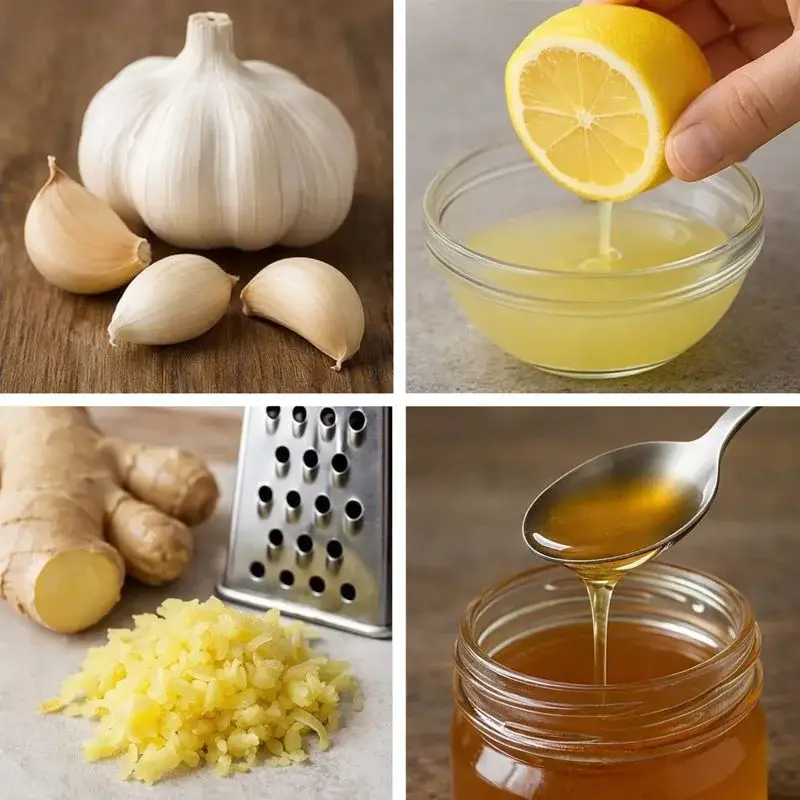
Dealing with the flu can feel overwhelming, especially when symptoms like thick mucus, chest congestion, coughing, body aches, and fatigue take over your day. For many people between the ages of 45 and 65, recovery can feel slower, and harsh medications may not always be the first choice. That is why natural remedies remain popular—they are gentle, supportive, and often use ingredients already found at home.
Natural flu remedies do not replace medical care, but they can support your body while it fights the virus. When used correctly, they may help loosen mucus, calm inflammation, soothe the throat, and improve comfort during recovery. The goal is not to “cure” the flu overnight, but to help your immune system work more efficiently and make symptoms easier to manage.
Below, you will find simple, time-tested natural remedies, including warming drinks and traditional tonics, explained clearly and safely. These remedies focus on easing congestion, calming coughs, and supporting overall wellness during flu season.
Understanding Flu Symptoms and Why Natural Support Helps
The flu often brings fever, chills, body aches, headaches, fatigue, sore throat, cough, and heavy mucus in the chest and sinuses. As we age, immune responses can become less aggressive, which means congestion may linger longer and recovery may take extra time.
Natural remedies work by supporting natural body processes rather than forcing rapid symptom suppression. Warm liquids help thin mucus. Spices stimulate circulation. Honey coats irritated tissue. Herbs and roots contain natural compounds that may help calm inflammation and support immunity.
Used consistently and correctly, these remedies can improve comfort, promote hydration, and support healing—especially when rest and nutrition are also prioritized.
Black Pepper, Honey, and Ginger Elixir for Congestion
This warming elixir is one of the simplest and most effective home remedies for flu-related congestion and cough. It combines ingredients known for their soothing and stimulating properties.
Why This Remedy Works
Black pepper gently stimulates circulation and may help loosen mucus in the chest. Ginger is well known for its warming effect and its ability to calm inflammation and nausea. Honey coats the throat, reduces irritation, and adds natural sweetness that makes the drink soothing and easy to consume.
Ingredients
Black pepper
Honey
Fresh ginger, grated
Water
Preparation Method
Bring three cups of water to a boil. Add one tablespoon of black pepper and two tablespoons of freshly grated ginger. Lower the heat and let the mixture simmer gently for about three minutes. Remove from heat and allow it to cool slightly. Stir in one tablespoon of honey or adjust to taste.
How to Use
Drink the elixir warm, not hot. Sip slowly to allow it to coat the throat and warm the chest. This drink works best when taken consistently rather than all at once.
Suggested Daily Intake
For moderate symptoms, drink three to four cups throughout the day. For mild congestion, one cup in the morning on an empty stomach may be enough to provide noticeable relief.
DIY Cold and Flu Tonic for Mucus and Chest Support
This traditional tonic is stronger and best suited for people dealing with stubborn mucus and deep chest congestion. It uses pungent ingredients that help break down buildup and stimulate the body’s natural defenses.
Why This Tonic Is Effective
Garlic and onion contain natural sulfur compounds that support immune response. Ginger and horseradish provide warmth and help open airways. Cayenne pepper stimulates circulation and may help thin mucus. Together, these ingredients create a powerful tonic that has been used in folk wellness traditions for generations.
Common Ingredients
Garlic
Onion
Fresh ginger
Horseradish
Cayenne pepper
Preparation Method
Finely chop or grate all ingredients and combine them thoroughly. Transfer the mixture to a clean glass jar with a tight lid. Store the jar in a cool, dark place. Shake it gently once a day. After two weeks, strain the liquid and store it in the refrigerator.
How to Use
Take one small spoonful once or twice daily. You may dilute it in warm water if the taste is strong. Always start with a small amount to assess tolerance.
Important Note
This tonic is powerful. People with sensitive stomachs should use caution and avoid taking it on an empty stomach.
Additional Natural Practices That Support Flu Recovery
Natural remedies work best when paired with supportive daily habits. Small changes can significantly improve how your body handles flu symptoms.
Hydration Is Essential
Warm fluids help thin mucus and prevent dehydration caused by fever. Herbal teas, warm water with lemon, and clear broths are excellent choices. Avoid iced drinks, as cold temperatures can thicken mucus.
Steam Inhalation
Breathing in warm steam helps open nasal passages and loosen chest congestion. Add plain hot water to a bowl, lean forward carefully, and inhale the steam for several minutes. This can be done once or twice daily.
Rest and Sleep
The immune system works hardest during rest. Give your body permission to slow down. Even short naps during the day can support recovery.
Warm Foods
Soups, stews, and cooked vegetables are easier to digest and provide warmth, which helps circulation and comfort. Avoid heavy, greasy foods that may slow digestion.
Light Movement
If fever has subsided, gentle movement such as stretching or short walks can improve circulation and prevent stiffness, but avoid pushing your body too hard.
Who Benefits Most from These Remedies
These natural remedies are especially helpful for adults between 45 and 65 who want supportive care without relying heavily on medications. They may also be beneficial for people recovering from lingering coughs or chest tightness after the worst flu symptoms have passed.
However, anyone with chronic illness, weakened immunity, or severe symptoms should consult a healthcare professional before relying solely on home remedies.
Safety Considerations
Natural does not always mean risk-free. Honey should not be given to infants. Spicy ingredients may irritate sensitive stomachs. Always listen to your body and reduce or stop use if discomfort occurs.
If symptoms worsen, fever lasts more than a few days, breathing becomes difficult, or chest pain develops, seek medical care promptly.
Pro Tips for Best Results
Use fresh ginger whenever possible for stronger effects
Drink remedies warm, not hot, to avoid throat irritation
Stay consistent rather than taking large amounts at once
Pair remedies with rest and hydration for faster relief
Store homemade tonics in glass containers, not plastic
Always start with small doses to assess tolerance
These small details can make a noticeable difference in how effective natural remedies feel.
Flu Recovery Is a Process, Not a Race
Natural remedies shine because they support the body instead of forcing it. While they may not eliminate symptoms instantly, they often help you feel more comfortable, breathe easier, and recover with less strain. Many people find that these remedies become part of their seasonal wellness routine year after year.
By listening to your body, staying hydrated, resting well, and using supportive natural options wisely, flu season becomes easier to navigate.
FAQs
Can natural remedies cure the flu?
No. Natural remedies do not cure the flu, but they may help reduce discomfort, loosen mucus, and support the immune system during recovery.
How quickly do these remedies work?
Some people notice relief within hours, especially for congestion and throat irritation. Best results come with consistent use over several days.
Can I combine these remedies with over-the-counter medicine?
In many cases, yes. However, always read medication labels and consult a healthcare provider if unsure.
Are these remedies safe for daily use during illness?
When used in moderate amounts, they are generally safe for short-term use. Avoid excessive intake, especially of spicy ingredients.
Who should avoid these remedies?
People with ulcers, acid reflux, allergies to ingredients, or those on blood-thinning medications should consult a professional before use.
When should I seek medical help instead of home remedies?
If symptoms are severe, breathing becomes difficult, fever persists, or chest pain occurs, seek medical attention immediately.
Natural remedies can be a comforting and effective part of flu care when used responsibly. With patience, consistency, and good self-care, your body can recover with greater ease and balance.