
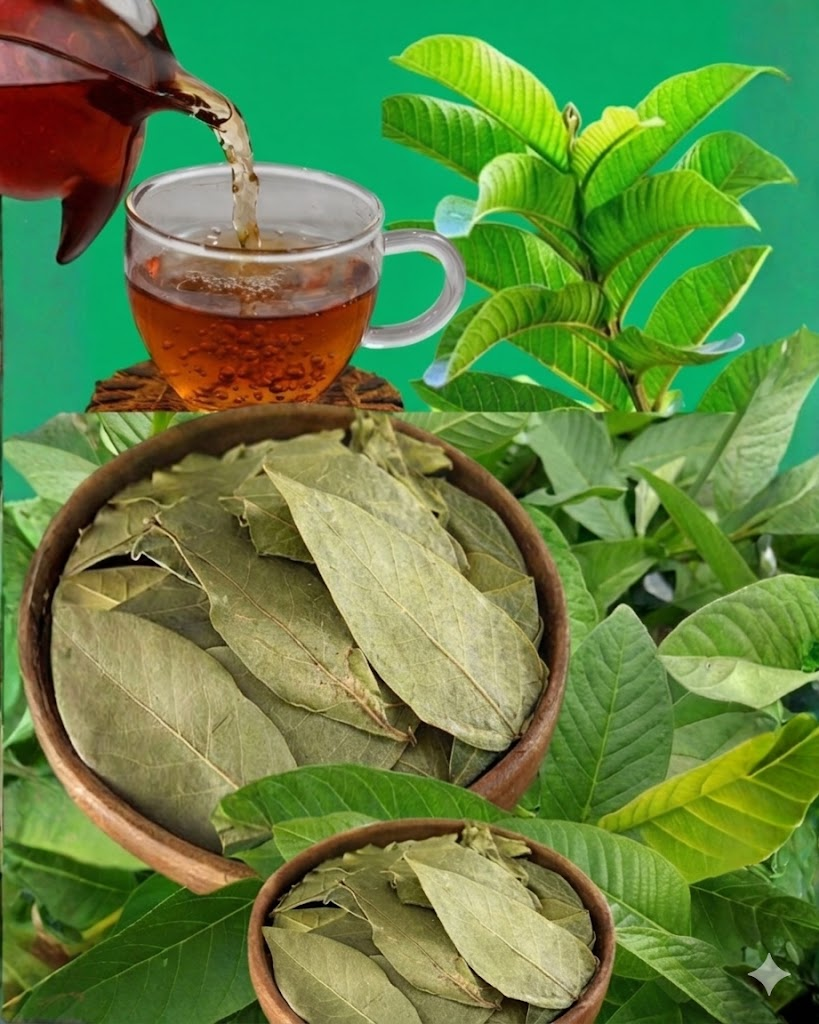
Maintaining balanced blood sugar levels plays a key role in overall health. Whether you are managing prediabetes, trying to improve your energy levels, or simply aiming for a healthier lifestyle, stable glucose levels can make a noticeable difference in how you feel each day.
While medical care and professional guidance remain essential, many people are exploring simple, natural habits to support their routine. Among these, herbal leaves have gained attention for their traditional use in wellness practices across different cultures.
These leaves are often consumed as teas or infusions. They are easy to prepare, widely available, and can be added to daily habits without much effort. The goal is not to replace medical treatment but to gently support the body through natural compounds found in plants.
In this guide, you will discover commonly used leaves, their traditional benefits, how to prepare them, and how to use them safely.
Why Consider Natural Leaves?
Herbal leaves have been used for generations in traditional medicine systems around the world. Their appeal lies in their simplicity and natural origin.
How They May Help
Many of these leaves contain plant compounds that may:
- Support insulin sensitivity
- Help maintain stable blood sugar levels
- Contribute to better metabolic balance
- Provide antioxidant support
These benefits come from naturally occurring substances such as polyphenols, flavonoids, and other bioactive compounds.
Popular Leaves Traditionally Used for Blood Sugar Support
Different leaves offer different properties. Below are some of the most commonly used ones.
Guava Leaves
Guava leaves are widely used in traditional wellness practices.
Potential Benefits
- May help reduce sugar absorption
- Supports balanced glucose levels
- Rich in antioxidants
Guava leaf tea is one of the most popular herbal options for those looking to support blood sugar naturally.
Insulin Plant (Costus igneus)
Often referred to as the “insulin plant” in folk traditions, this plant is known for its association with blood sugar support.
Traditional Uses
- Supports healthy glucose levels
- Complements metabolic health routines
It is usually consumed as a leaf infusion or sometimes chewed fresh in traditional settings.
Mulberry Leaves
Mulberry leaves have been studied for their active compounds that may influence carbohydrate metabolism.
Potential Benefits
- May reduce post-meal glucose spikes
- Supports overall metabolic function
- Contains natural compounds that slow sugar breakdown
Mulberry leaf tea is commonly used after meals for better glucose control.
Mango Leaves
Mango leaves are another traditional option used in several regions.
Traditional Benefits
- Supports glucose regulation
- Offers gentle daily wellness support
- Contains antioxidants
They are often used as a mild herbal tea.
Bay Leaves
Bay leaves are widely known in cooking, but they also have a place in traditional herbal practices.
Potential Benefits
- May support glucose metabolism
- Helps digestion
- Contributes to overall balance
Bay leaf tea is simple to prepare and can be part of a daily routine.
How to Prepare Herbal Leaf Tea
Preparing herbal tea from these leaves is simple and requires minimal ingredients.
Ingredients
- 1 tablespoon fresh or dried leaves
- 200–300 ml water
Step-by-Step Instructions
Step 1: Boil the Water
Bring water to a boil in a small pot.
Step 2: Add the Leaves
Add your chosen leaves to the hot water.
Step 3: Steep the Tea
Turn off the heat and let the leaves steep for 10–15 minutes.
Step 4: Strain
Strain the liquid into a cup to remove the leaves.
Step 5: Serve
Drink warm or allow it to cool, depending on your preference.
Suggested Usage
Using herbal teas correctly is important for safety and effectiveness.
Recommended Routine
- Drink 1–2 cups per day
- Often consumed before meals
- Use in cycles (for example, a few weeks on, then a break)
This approach helps prevent overuse and allows you to monitor how your body responds.
Potential Benefits
When combined with a healthy lifestyle, these herbal teas may offer several supportive benefits.
Key Advantages
- Supports healthy blood sugar levels
- Aids digestion
- Provides antioxidant protection
- Contributes to metabolic balance
It is important to remember that these benefits are supportive and may vary from person to person.
Important Considerations
Before adding herbal teas to your routine, keep the following points in mind.
Safety Notes
- These remedies do not replace medical treatment
- Combining with medication may affect blood sugar levels
- Pregnant or breastfeeding individuals should consult a professional
- Excessive consumption should be avoided
Always approach natural remedies with balance and awareness.
Supporting Your Blood Sugar Naturally
Herbal teas work best when combined with healthy daily habits.
Lifestyle Practices
- Eat a balanced diet rich in whole foods
- Stay physically active
- Monitor blood sugar levels regularly
- Maintain consistent eating patterns
These habits create a strong foundation for long-term health.
Tips for Best Results
Choose Quality Leaves
Use fresh or properly dried leaves for better results.
Stay Consistent
Regular use provides more noticeable support than occasional use.
Avoid Overuse
Stick to recommended amounts to prevent unwanted effects.
Rotate Different Leaves
Switching between types may provide a broader range of benefits.
Combine with Healthy Habits
Diet and exercise play a major role in blood sugar control.
Track Your Response
Pay attention to how your body reacts and adjust accordingly.
FAQs
Can these leaves replace diabetes medication?
No. They are supportive and should never replace prescribed treatment.
Which leaf is most effective?
Effectiveness varies by individual, but guava and mulberry leaves are among the most commonly used.
How long does it take to see results?
Some people notice changes within a few weeks, but results depend on consistency and lifestyle.
Can I mix different leaves together?
Yes, but start with one type first to see how your body reacts.
Are there side effects?
Mild digestive discomfort may occur in some individuals if consumed in excess.
Is it safe to drink daily?
Yes, in moderation. Stick to 1–2 cups per day.
Can I drink it on an empty stomach?
Yes, many people prefer drinking it before meals.
Conclusion
Natural leaves offer a simple and accessible way to support healthy blood sugar levels as part of a balanced lifestyle. With their rich content of plant compounds and long history in traditional use, they provide gentle support that fits easily into daily routines.
The key is to use them mindfully—combine them with proper nutrition, regular activity, and medical guidance. When approached this way, these herbal teas can become a valuable addition to your wellness journey, helping you move toward better balance and long-term health.