
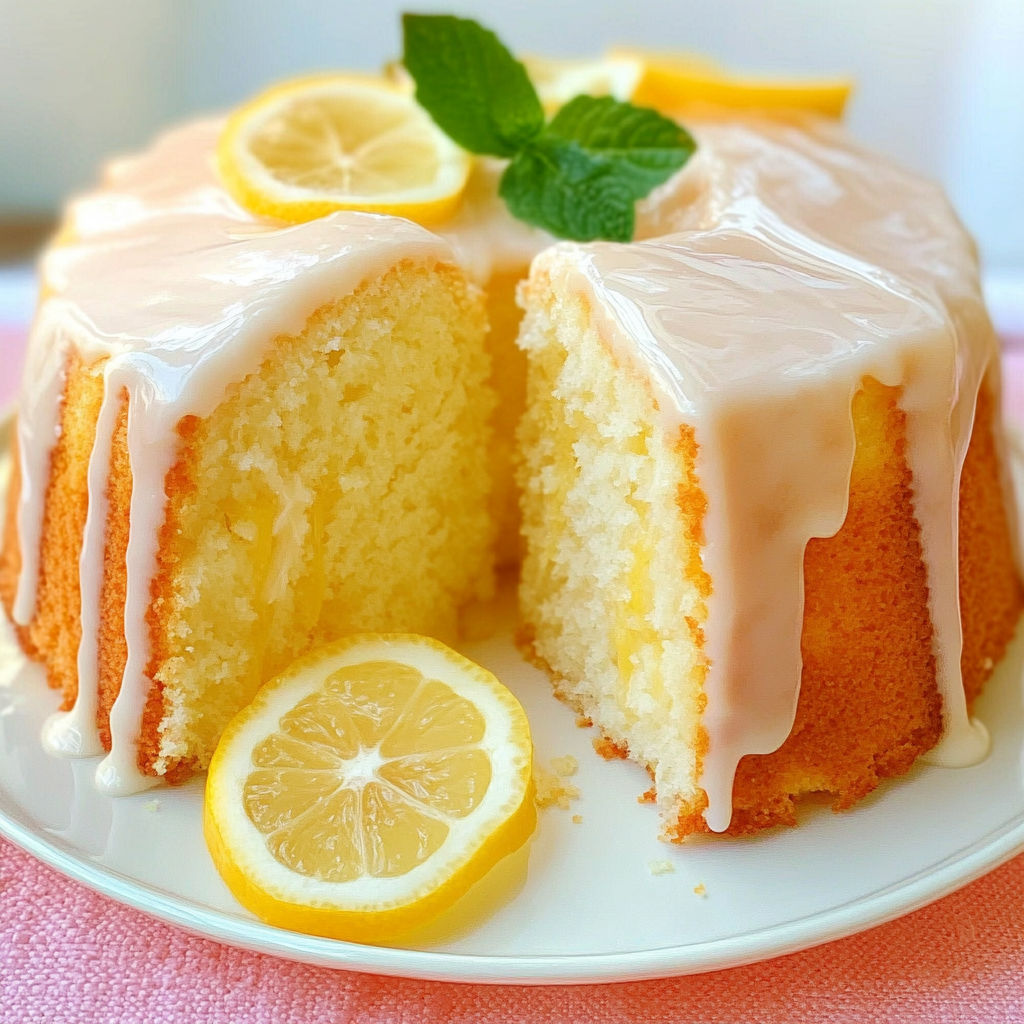
Lemon Buttermilk Pound Cake is a timeless Southern classic that has earned its place on dessert tables for generations. This is the kind of cake that feels familiar the moment you take your first bite—rich with butter, bright with fresh lemon, and unbelievably moist thanks to the magic of buttermilk. It is simple in appearance yet deeply satisfying, the sort of dessert that never needs embellishment to impress.
What makes this cake so special is its balance. The sweetness is gentle, never overpowering. The lemon flavor is fresh and natural, not artificial or sharp. And the crumb is dense yet tender, slicing cleanly while remaining soft and luxurious. This is the cake you bake when you want something dependable, elegant, and comforting all at once.
Perfect for holidays, Sunday dinners, potlucks, or quiet afternoons with tea, Lemon Buttermilk Pound Cake improves with time and stores beautifully. It is equally at home served plain, dusted with powdered sugar, or crowned with a silky lemon glaze that seeps into every curve of the cake. This recipe delivers an old-fashioned result with modern clarity, ensuring success even for beginner bakers.
Why Lemon Buttermilk Pound Cake Never Goes Out of Style
Pound cakes have been around for centuries, and there is a reason they remain beloved. Their structure is sturdy, their flavor is rich, and their simplicity allows quality ingredients to shine. When lemon and buttermilk are added to the equation, the result becomes something truly special.
Buttermilk introduces gentle acidity, which tenderizes the gluten in the flour and creates a soft, moist crumb. Lemon zest brings fragrant oils that perfume the cake, while lemon juice adds brightness that cuts through the richness of butter and sugar. Together, these elements create a cake that feels indulgent yet refreshing.
This cake also adapts easily. It can be dressed up for celebrations or kept humble for everyday enjoyment. It travels well, freezes well, and tastes even better the next day, making it a reliable go-to recipe for any baker’s collection.
Ingredients and Their Purpose
All-Purpose Flour
Provides structure to the cake while still allowing a tender crumb when properly mixed.
Granulated Sugar
Sweetens the cake and helps create a light, airy texture when creamed with butter.
Unsalted Butter
Adds richness, moisture, and classic pound cake flavor. Softened butter is essential for proper creaming.
Buttermilk
The key to this cake’s softness and subtle tang. It reacts with the leavening agents to create a tender crumb.
Eggs
Provide structure, moisture, and richness. Room-temperature eggs blend more smoothly into the batter.
Fresh Lemon Zest
Delivers concentrated lemon aroma and flavor without excess acidity.
Fresh Lemon Juice
Adds brightness and balances the sweetness of the cake.
Baking Powder and Baking Soda
Work together to give the cake just enough lift while maintaining its dense, classic texture.
Vanilla Extract
Rounds out the flavors and enhances the lemon without overpowering it.
Salt
Balances sweetness and sharpens the overall flavor.
Powdered Sugar (for the glaze)
Creates a smooth, silky glaze that sets beautifully on the cake.
Step-by-Step Preparation
Preparing the Pan and Ingredients
Begin by preheating the oven to 325°F (165°C). This lower temperature is essential for even baking and helps prevent excessive cracking. Thoroughly grease and flour a Bundt or tube pan, ensuring every groove is coated to avoid sticking.
Bring the butter, eggs, and buttermilk to room temperature before mixing. This step is crucial for creating a smooth, emulsified batter that bakes evenly and rises properly.
Creaming the Butter and Sugar
In a large mixing bowl, beat the softened butter and granulated sugar together until light, pale, and fluffy. This process incorporates air into the batter, giving the pound cake its fine, velvety crumb. Do not rush this step; proper creaming sets the foundation for the entire cake.
Adding Eggs and Flavorings
Add the eggs one at a time, mixing well after each addition. This gradual process ensures the batter remains smooth and stable. Stir in the lemon zest, lemon juice, and vanilla extract. At this stage, the batter should smell fresh and citrusy, signaling that the flavors are coming together.
Combining the Dry Ingredients
In a separate bowl, whisk together the flour, baking powder, baking soda, and salt. This step evenly distributes the leavening agents and prevents pockets of bitterness or uneven rise.
Alternating Dry Ingredients and Buttermilk
Add the dry ingredients to the butter mixture in three additions, alternating with the buttermilk. Begin and end with the dry ingredients. Mix gently and only until combined. Overmixing develops too much gluten, which can result in a dense or tough cake.
Baking the Cake
Pour the batter into the prepared pan and smooth the top. Place the pan in the center of the oven and bake for 65 to 75 minutes. The cake is done when a toothpick inserted into the center comes out clean or with a few moist crumbs.
As the cake bakes, the kitchen will fill with the comforting aroma of butter and lemon. The top should be golden and slightly cracked, which is characteristic of traditional pound cakes.
Cooling and Glazing
Allow the cake to cool in the pan for about 10 minutes before carefully turning it out onto a wire rack. Let it cool completely before glazing. This prevents the glaze from melting and soaking in too quickly.
To make the glaze, whisk together powdered sugar, fresh lemon juice, and lemon zest until smooth. Drizzle generously over the cooled cake, allowing it to cascade naturally.
Variations to Try
This recipe is a wonderful base for creative variations. You can fold in floured blueberries for bursts of fruit, add shredded coconut for texture, or incorporate cream cheese for a richer, denser crumb. A touch of lemon extract can intensify the citrus flavor for those who love a bold lemon profile.
Cooking Notes for Best Results
Using room-temperature ingredients is non-negotiable for pound cakes. This ensures proper emulsification and a smooth batter. Baking at a lower temperature allows the cake to rise evenly and prevents the exterior from overbrowning before the center is fully cooked.
Always test for doneness near the end of baking time and avoid opening the oven door too early, which can cause the cake to sink.
Serving Suggestions
Lemon Buttermilk Pound Cake shines on its own but pairs beautifully with fresh berries, whipped cream, or a scoop of vanilla ice cream. It is equally delightful with a cup of hot tea or a glass of iced lemonade. For a simple presentation, a light dusting of powdered sugar adds elegance without effort.
Tips for Success
• Always zest lemons before juicing them
• Use freshly squeezed lemon juice for the best flavor
• Do not overmix the batter once flour is added
• Allow the cake to cool completely before glazing
• Store covered to maintain moisture
Frequently Asked Questions
Can I substitute regular milk for buttermilk?
Buttermilk is strongly recommended because it adds acidity and tenderness. If needed, you can make a substitute by mixing milk with lemon juice, but the flavor and texture may differ slightly.
Why does pound cake crack on top?
Cracking is normal and expected. The dense batter forces steam upward as it bakes, creating a signature crack.
Can this cake be made ahead of time?
Yes. In fact, the flavor deepens overnight, making it even better the next day.
Can I freeze Lemon Buttermilk Pound Cake?
Absolutely. Wrap the cake or individual slices tightly and freeze for up to two months. Thaw at room temperature before serving.
Conclusion
Lemon Buttermilk Pound Cake is everything a classic Southern dessert should be—moist, buttery, bright, and comforting. Its simplicity is its strength, allowing real ingredients and careful technique to shine. Whether baked for a celebration or a quiet moment of indulgence, this cake delivers consistent results and timeless flavor. Once you try it, it is sure to become a cherished staple in your kitchen, baked again and again for years to come.