
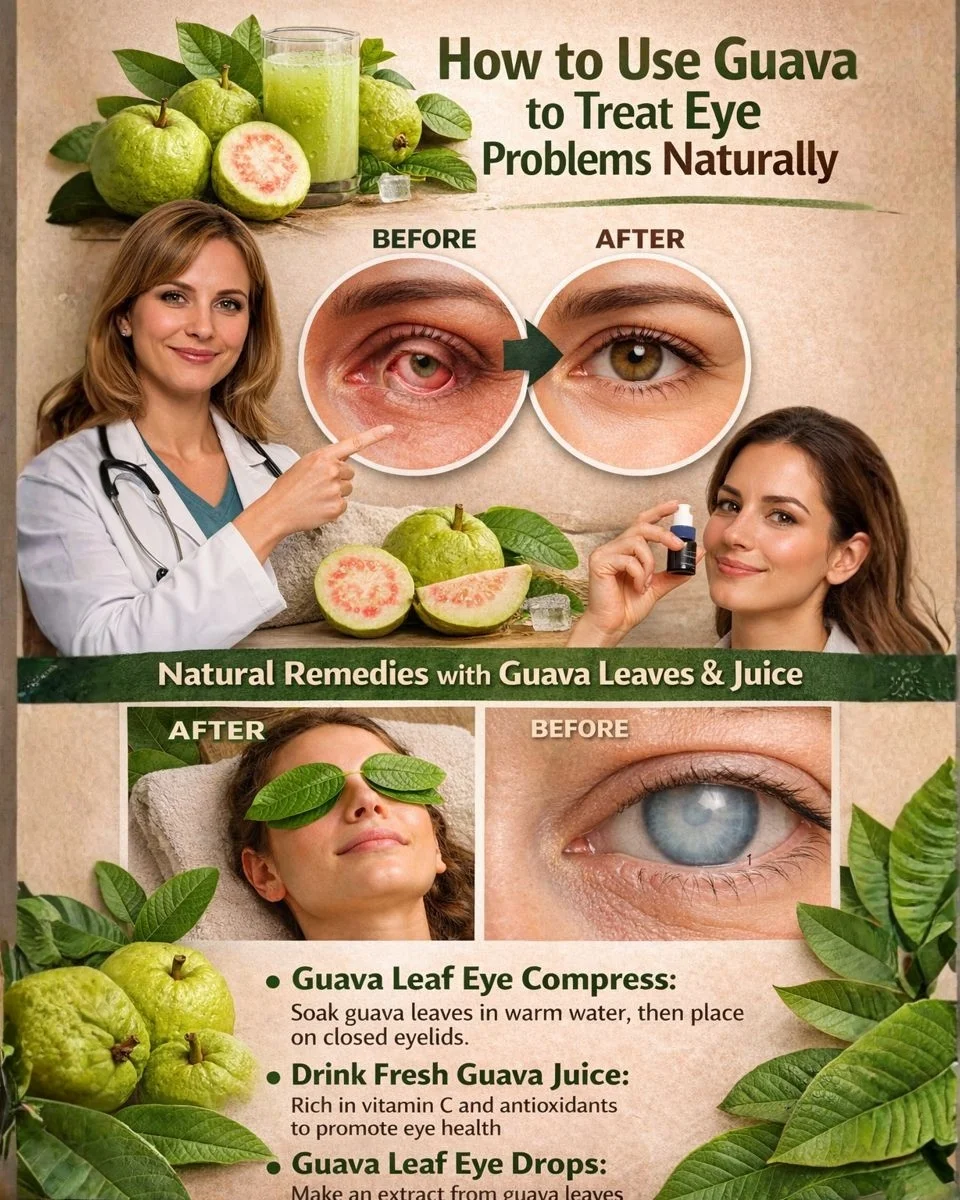
Guava is often celebrated as a delicious tropical fruit, but in many traditional wellness systems, it has also been valued for its supportive role in overall health—including care for the eyes. While guava is not a treatment for eye diseases, its rich nutritional profile and gentle plant compounds make it an interesting option for people seeking natural, complementary ways to support eye comfort and long-term visual wellness.
Modern lifestyles place heavy demands on our eyes. Screens, artificial lighting, environmental pollution, lack of sleep, and nutritional gaps can all contribute to eye fatigue and discomfort. This has led many people to look beyond conventional approaches and explore food-based and plant-based wellness strategies that work alongside healthy habits and professional eye care.
This article explores how guava fits into a mindful eye-care routine, why it has earned attention in traditional practices, how it can be used safely, and what science actually supports. The focus here is responsibility, balance, and realistic expectations.
Understanding Why Guava Is Associated With Eye Wellness
Guava’s connection to eye health comes primarily from its nutrient density, not from any direct medicinal action on the eyes themselves. In traditional wellness systems, foods and plants are often valued for how they nourish the body as a whole—and guava is a strong example of this philosophy.
Rich Source of Vitamin C and Antioxidants
Guava is one of the richest natural sources of vitamin C, often containing more than oranges. Vitamin C is a powerful antioxidant that helps protect cells from oxidative stress. Oxidative stress plays a role in age-related eye discomfort and long-term visual strain.
Antioxidants help support:
- The health of blood vessels that supply the eyes
- Protection of delicate eye tissues from environmental stress
- Overall cellular balance in the body
Guava also contains flavonoids and carotenoids—plant compounds studied for their role in supporting cellular and tissue health. While these compounds do not “repair” vision, they contribute to the nutritional environment that helps eyes function comfortably over time.
Traditional Use of Guava Leaves
Beyond the fruit itself, guava leaves have long been used in traditional practices. Historically, they were valued for their calming and balancing properties, particularly in external applications meant to promote comfort rather than treat disease.
In wellness traditions, guava leaves were often prepared as mild infusions and used in relaxation rituals when the body—or the eyes—felt strained. These practices were always gentle, external, and cautious.
Mild Antimicrobial Properties in Research Contexts
Laboratory studies have shown that guava leaves contain compounds with antimicrobial activity. This research helps explain why guava has been used traditionally for hygiene and external care. However, laboratory findings do not automatically translate into safe or effective eye treatments.
For eye care, this distinction is critical. The eyes are extremely sensitive, and anything applied near them must be handled with exceptional care.
Gentle and Responsible Ways to Use Guava for Eye Support
Guava should never replace medical eye care, prescription treatments, or professional advice. The methods below are supportive wellness practices designed for comfort, relaxation, and general care—not for treating eye conditions.
Guava Leaf Compress for Tired Eyes
This is one of the most commonly referenced traditional uses and is considered the gentlest approach when done correctly.
A warm or lukewarm compress can help the eyes relax after long periods of screen use, reading, or general fatigue.
How to Prepare
- Wash 5–6 fresh guava leaves thoroughly
- Boil them in about 500 ml of clean water for 10 minutes
- Strain the liquid carefully
- Allow it to cool until lukewarm
The liquid must be completely clear, clean, and free of particles.
How to Use
- Soak a clean, sterile cloth or gauze in the strained infusion
- Wring out excess liquid
- Place gently over closed eyes
- Relax for 5–10 minutes
This can be done once or twice a day as part of a relaxation routine.
Important safety reminder:
Never use this method if the liquid is cloudy, improperly strained, or contaminated. Never apply pressure to the eyes.
Diluted Guava Leaf Solutions: Why Caution Is Essential
Some traditional references mention diluted guava leaf solutions near the eyes. However, this method carries significant risk and is not recommended for general use.
The eye’s surface is highly vulnerable to irritation and infection. Even mild plant compounds can cause harm if sterility is compromised.
Strong safety guidance:
- Do not apply any homemade liquid directly into the eyes
- Do not attempt eye rinses with guava preparations
- Always consult an eye-care professional before considering anything beyond external compresses
For most people, this method should be avoided entirely.
Guava in Eye-Area Skincare Products
One of the safest and most accessible ways to benefit from guava’s antioxidant properties is through professionally formulated skincare products designed for the eye area.
Many cosmetic products now include guava extract as an antioxidant ingredient. These products are tested for skin safety and are formulated to avoid irritation.
Potential benefits for the skin around the eyes include:
- Supporting hydration
- Helping reduce the appearance of puffiness
- Providing antioxidant support to delicate skin
How to Use Safely
- Apply a small amount to clean skin around the eyes
- Avoid direct contact with the eyes or lash line
- Use gentle tapping motions with fingertips
- Discontinue use if irritation occurs
Safety Guidelines You Should Never Ignore
Eye health requires extra caution. Even natural ingredients can cause harm if used improperly.
Always remember:
- Never apply non-sterile solutions directly into the eyes
- Always strain and filter any herbal preparation thoroughly
- Perform a patch test before using guava-based products on the skin
- Stop immediately if redness, itching, or discomfort appears
- Seek professional care for ongoing eye symptoms
Natural practices work best when they support, not replace, medical guidance.
What Science Really Says About Guava and Eye Health
Scientific research clearly supports guava as a nutrient-rich food, especially due to its vitamin C and antioxidant content. Nutrition plays a well-established role in maintaining eye health over time.
What research does support:
- Vitamin C contributes to general eye tissue health
- Antioxidants help protect cells from oxidative damage
- A diet rich in fruits and vegetables supports long-term visual wellness
What research does not support:
- Guava as a cure for eye disease
- Homemade guava solutions as eye treatments
- Direct application of guava preparations into the eyes
The strongest evidence points to dietary intake, not topical eye use.
Supporting Eye Health from the Inside With Guava
Eating guava is one of the safest and most effective ways to enjoy its benefits. Nutrition provides long-term support that external remedies cannot match.
Simple Dietary Ideas
- Enjoy fresh guava as a snack
- Add guava slices to fruit salads
- Blend guava into smoothies
- Combine guava with leafy greens and orange vegetables
Eye-Support Smoothie Idea
- 1 ripe guava
- 1 small carrot
- A handful of spinach
- Water or plant-based milk
This combination provides vitamin C, beta-carotene, lutein, and flavonoids—nutrients commonly associated with eye-supportive diets.
Tips for Using Guava Safely for Eye Wellness
- Choose fresh, clean guava and leaves
- Wash all plant material thoroughly
- Use external applications only
- Keep routines gentle and infrequent
- Focus on nutrition first
- Protect your eyes with proper lighting, breaks from screens, and regular eye exams
Frequently Asked Questions
Is guava safe to use for eye care?
Guava is safe when used responsibly as food or in gentle external practices. It should never be used as a direct eye treatment.
Can guava improve eyesight?
Guava does not improve vision directly. Its nutrients support overall eye health as part of a balanced diet.
Are guava leaves safe near the eyes?
Only as a carefully prepared external compress on closed eyes. Never place liquids directly into the eyes.
Is eating guava better than topical use?
Yes. Dietary intake is the safest and most effective way to benefit from guava’s nutrients.
Should I stop medical treatment if I use natural remedies?
No. Natural approaches should always complement, not replace, professional care.
Final Thoughts
Guava is a nourishing, versatile fruit with a long history in traditional wellness practices. When it comes to eye care, its greatest value lies in nutrition, gentle external comfort, and supportive skincare, not in medical treatment.
Used thoughtfully, guava can be a small but meaningful part of a holistic approach to eye wellness—one that includes healthy habits, proper hygiene, balanced nutrition, and professional guidance when needed.