
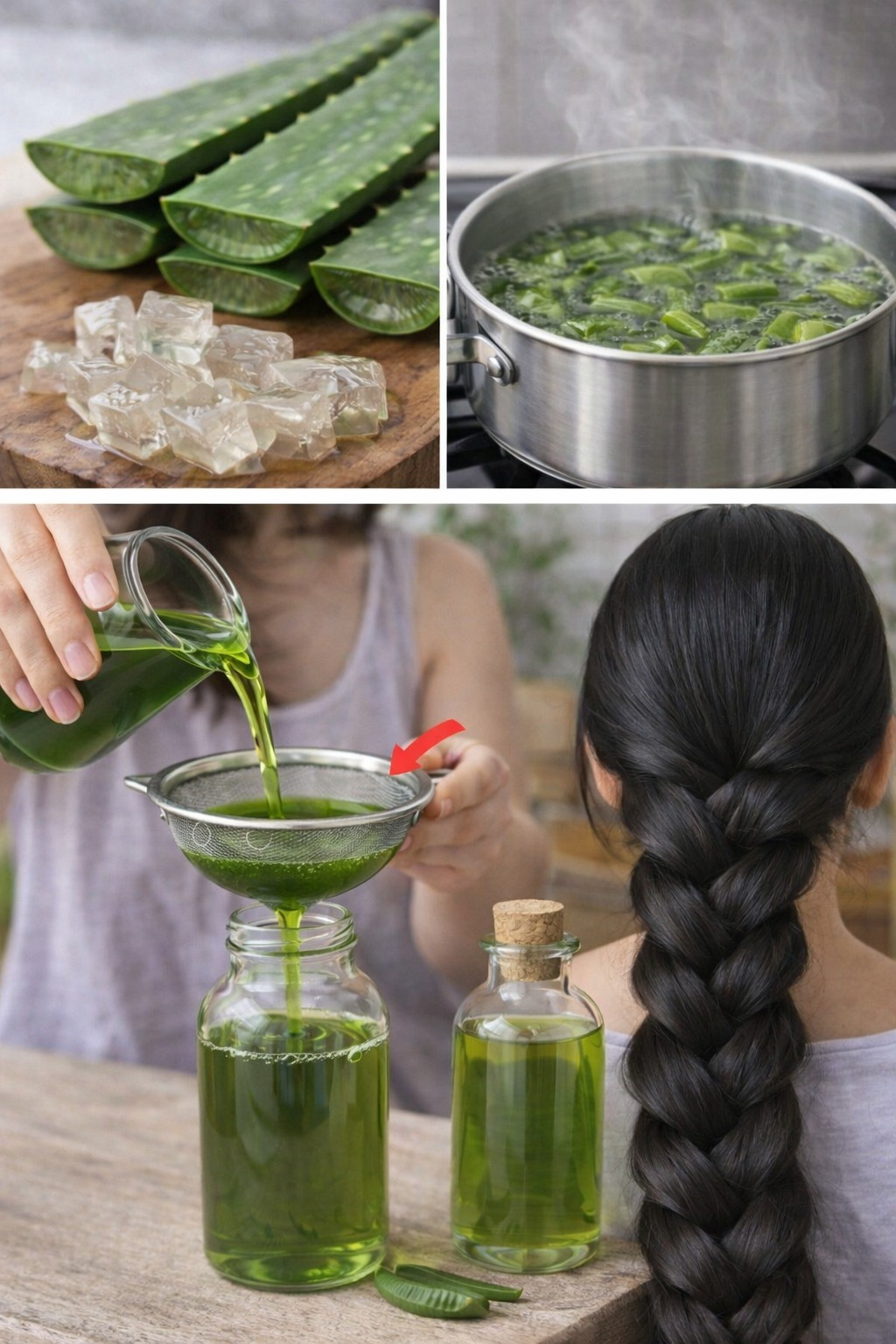
Dry, frizzy hair can feel difficult to manage, especially when many store-bought products promise results but leave buildup or heaviness behind. If you have ever tried multiple serums and oils without real improvement, you are not alone. Many people now turn to simple, natural alternatives they can control themselves.
Homemade aloe vera oil is one of those solutions. It combines the soothing properties of aloe vera with nourishing carrier oils to create a lightweight, versatile hair treatment. The best part is that you only need a few ingredients and a short amount of time to prepare it.
This guide walks you through the full process step by step. You will also learn how to customize it, use it correctly, and avoid common mistakes. With consistent use, this simple oil can become a reliable part of your hair care routine.
Why Aloe Vera Oil Is Popular in Hair Care
Natural Hydration Without Heavy Residue
Aloe vera is known for its high water content and soothing feel. When infused into oil, it creates a balance between hydration and nourishment without weighing hair down.
Rich in Beneficial Compounds
Aloe vera contains vitamins, enzymes, and amino acids. These elements support smoother, softer-looking hair and can help improve overall manageability.
Easy to Customize
Unlike commercial products, homemade oil allows you to adjust ingredients based on your hair type. You can keep it simple or enhance it with additional oils.
What Is Aloe Vera Oil?
A Simple Infused Oil
Aloe vera oil is made by gently heating fresh aloe gel with a carrier oil such as coconut or olive oil. This process allows the beneficial components of aloe to transfer into the oil.
Longer Shelf Life Than Fresh Gel
Fresh aloe gel spoils quickly because it contains water. Infusing it into oil extends its usability and makes it easier to apply.
A Versatile Hair Treatment
This oil can be used as a pre-wash treatment, scalp oil, or light leave-in product depending on your needs.
Ingredients You Will Need
Basic Ingredients
- 1 to 2 large fresh aloe vera leaves
- 2 cups carrier oil (coconut oil or olive oil)
Optional Additions
- 1 teaspoon vitamin E oil (helps extend shelf life)
- A few drops of essential oil (such as lavender for fragrance)
Choosing the Right Ingredients
Always use fresh aloe leaves when possible. Fresh gel provides better quality compared to processed versions.
Step-by-Step Instructions
Preparing the Aloe Vera
Clean the Leaves
Rinse the aloe leaves thoroughly under running water to remove dirt.
Trim and Cut
Remove the sharp edges on both sides. Slice the leaf open and scoop out the clear gel.
Chop the Gel
Cut the gel into small pieces. Smaller pieces help release more of the beneficial compounds during infusion.
Heating the Oil
Use Low Heat
Pour the carrier oil into a pan. Heat it gently on low heat. Avoid boiling or overheating.
Keep It Stable
The oil should be warm, not smoking. High heat can damage the nutrients.
Infusing the Aloe
Combine Ingredients
Add the chopped aloe gel to the warm oil.
Simmer Gently
Let the mixture simmer on low heat for 15 to 25 minutes. Stir occasionally.
Watch for Changes
You may notice slight bubbling as the water content evaporates. The oil may also develop a light green tint.
Cooling and Straining
Let It Cool Completely
Remove the mixture from heat and allow it to cool fully.
Strain the Oil
Use a fine strainer or cloth to separate the oil from the aloe pieces.
Extract Fully
Press gently on the solids to collect as much oil as possible.
Storing the Oil
Use a Clean Container
Transfer the oil into a glass bottle, preferably dark-colored.
Store Properly
Keep it in a cool, dark place away from sunlight.
Label the Date
This helps you track freshness and shelf life.
How to Use Aloe Vera Oil
Pre-Wash Hair Treatment
Apply the oil to your scalp and hair before washing. Leave it for 30 to 60 minutes or overnight, then shampoo.
Scalp Massage
Use a small amount to massage your scalp. This helps distribute the oil evenly.
Leave-In for Ends
Apply a tiny amount to the ends of your hair to reduce dryness and frizz.
Mix with Conditioner
Add a few drops to your regular conditioner for extra moisture.
Benefits of Aloe Vera Oil for Hair
Improves Softness
Regular use helps hair feel smoother and easier to manage.
Supports Hydration
The combination of aloe and oil helps lock in moisture.
Enhances Shine
Hair often appears more polished and healthy with consistent use.
Soothes the Scalp
It may help reduce dryness and mild irritation.
Tips for Best Results
Always Do a Patch Test
Test a small amount on your skin before full use to check for sensitivity.
Use Small Amounts
Oil can build up if overused. Start with a little and adjust as needed.
Warm Before Use
Rub the oil between your hands before applying for better absorption.
Be Consistent
Use regularly to see gradual improvement.
Choose the Right Oil Base
Coconut oil works well for thick hair, while olive oil feels lighter.
Variations You Can Try
For Hair Growth Support
Add a small amount of castor oil to the mixture.
For a Lighter Texture
Use jojoba oil instead of coconut oil.
For Fragrance
Add a few drops of essential oil like lavender or tea tree.
For Extra Nourishment
Mix with a small amount of argan oil after preparation.
Common Mistakes to Avoid
Using High Heat
Too much heat can reduce the quality of the oil.
Skipping the Straining Step
Leaving aloe pieces in the oil can cause spoilage.
Using Old Aloe Leaves
Always choose fresh, clear gel for best results.
Adding Too Many Ingredients
Keep the recipe simple to maintain balance.
Storage and Shelf Life
How Long It Lasts
Homemade aloe vera oil usually lasts 2 to 3 months.
How to Extend Shelf Life
Adding vitamin E can help preserve it longer.
Signs It Has Gone Bad
Discard if you notice a strange smell or change in color.
Conclusion
Making aloe vera oil at home is a simple and rewarding process. It gives you full control over what goes into your hair care routine while avoiding unnecessary additives.
This oil fits easily into daily life. Whether you use it as a treatment, a scalp oil, or a finishing touch, it offers a natural way to care for your hair. The key is consistency and proper use.
Start with a small batch, follow the steps carefully, and adjust based on your hair needs. Over time, this simple habit can help your hair feel softer, look shinier, and become easier to manage.
FAQs
How long does it take to see results?
Many people notice softer hair within a few uses. More visible improvement usually appears after a few weeks of regular use.
Can I use it on colored hair?
Yes, it is generally gentle and can help restore moisture. Always test a small section first.
Do I need special equipment?
No. A basic pan, knife, and strainer are enough to make this oil.
Can I use store-bought aloe gel?
Fresh aloe is recommended, but pure store-bought gel can be used if necessary.
How often should I use it?
Two to three times per week is usually enough for most hair types.
Can I leave it overnight?
Yes, leaving it overnight as a treatment can provide deeper moisture.
Is it suitable for all hair types?
Yes, but adjust the amount and oil base depending on your hair texture.
Can I apply it daily?
Daily use is not necessary. Use small amounts if applying frequently.
What is the best carrier oil to use?
Coconut oil for thicker hair, olive or jojoba oil for lighter application.
Is this a replacement for professional hair care?
No. It supports hair health but does not replace professional advice or treatments when needed.