
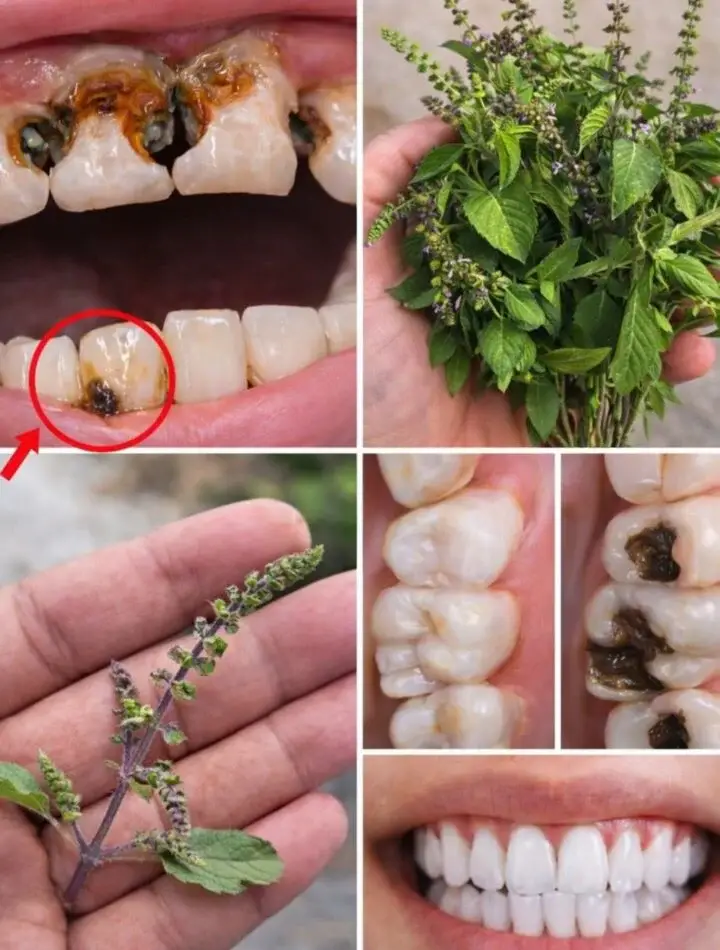
Tooth sensitivity often creeps in quietly. One day, a sip of cold water sends a sharp signal through your teeth. Gum inflammation can make brushing uncomfortable, while persistent bad breath affects confidence in daily conversations. These issues are incredibly common, and while professional dental care is essential, many people search for gentle, natural ways to support their oral routine at home.
For centuries, holy basil—also known as Tulsi or Ocimum sanctum—has been valued in traditional wellness practices. Beyond its spiritual and cultural importance, modern research has begun exploring how this herb may support oral health. From fresher breath to calmer gums, Tulsi offers a natural option that works alongside, not instead of, standard dental care.
This article explores how holy basil may benefit teeth and gums, what science says so far, and practical ways to use it safely at home. At the end, you’ll also find helpful tips and clear answers to common questions.
Understanding Holy Basil and Its Role in Oral Care
Holy basil is an aromatic herb native to South Asia and widely used in Ayurvedic traditions. Its leaves contain a range of bioactive compounds that have drawn scientific interest in recent years.
Key components include eugenol, ursolic acid, rosmarinic acid, and various flavonoids. These compounds are known for antibacterial, anti-inflammatory, and antioxidant properties. In oral care, these actions are especially important because most dental problems begin with bacteria, inflammation, and oxidative stress inside the mouth.
Unlike harsh chemical products, Tulsi works gently. This is why it is often described as supportive rather than corrective. It does not replace toothpaste, floss, or dental treatments, but it may enhance daily care when used correctly.
Why Holy Basil Stands Out for Oral Wellness
Many herbs claim oral health benefits, but holy basil stands out for several reasons.
First, it has broad antibacterial activity. Studies have shown that Tulsi extracts can inhibit the growth of bacteria linked to plaque formation, cavities, and gum disease. One commonly studied strain is Streptococcus mutans, a major contributor to tooth decay.
Second, holy basil has anti-inflammatory effects. Inflamed gums are often red, swollen, and prone to bleeding. By calming inflammatory responses, Tulsi may help gums feel more comfortable over time.
Third, it offers antioxidant protection. The mouth is constantly exposed to oxidative stress from food, bacteria, and environmental factors. Antioxidants help protect oral tissues and support long-term gum and tooth health.
Finally, Tulsi has a naturally refreshing aroma and taste, which helps neutralize odor-causing bacteria responsible for bad breath.
Key Oral Health Benefits Supported by Research
While holy basil is not a medical treatment, research and traditional use suggest several supportive benefits for oral care.
Antibacterial Support for Teeth
Laboratory studies indicate that Tulsi extracts can slow the growth of bacteria associated with cavities and plaque buildup. By reducing bacterial load, it may help protect enamel when paired with proper brushing and flossing.
Support for Healthier Gums
Inflammation is at the root of gingivitis and early gum problems. Holy basil’s anti-inflammatory compounds may help reduce swelling, tenderness, and irritation in gum tissue.
Fresher Breath Naturally
Bad breath usually comes from bacteria that produce sulfur compounds. Tulsi helps target these bacteria rather than just masking odor, which may lead to longer-lasting freshness.
Antioxidant Protection for Oral Tissues
Oxidative stress can weaken oral tissues over time. The antioxidants in holy basil help support cell health in the gums and lining of the mouth.
Gentle Soothing Effect
Traditionally, Tulsi has been used to calm minor discomfort in the mouth, including sensitivity or mild irritation. While not a painkiller, its soothing nature may add comfort to daily routines.
What Scientific Studies Suggest
Modern research has started to examine Tulsi in oral applications. Some studies have tested holy basil mouth rinses and observed reduced plaque formation over short periods. Others have compared Tulsi extracts to conventional agents and found improvements in plaque scores and gum health indicators.
In vitro studies consistently show antimicrobial activity against periodontal pathogens such as Prevotella intermedia. These findings support traditional claims, though researchers agree that more large-scale human studies are needed.
The key takeaway is that holy basil shows promise as a complementary oral care ingredient, especially for those seeking plant-based options.
How to Use Holy Basil for Oral Health at Home
Incorporating Tulsi into your routine does not require complicated steps. Below are simple, practical methods that many people use safely.
Simple Tulsi Mouth Rinse
This is one of the most popular and gentle methods.
Choose 5 to 7 fresh holy basil leaves. If fresh leaves are unavailable, dried leaves can also be used. Boil the leaves in one cup of water for about 5 to 10 minutes. Allow the liquid to cool completely, then strain out the leaves.
Use one to two tablespoons of the cooled liquid. Swish it around your mouth for 30 to 60 seconds, then spit it out. This can be done once or twice daily after brushing.
Many people notice fresher breath and calmer gums with consistent use over time.
Tulsi Powder as a Brush Booster
For targeted gum and tooth support, Tulsi powder can be used occasionally.
Dry fresh leaves in a shaded, well-ventilated area until they become crisp. Grind them into a fine powder. Mix a very small pinch with your regular toothpaste or a bit of coconut oil.
Brush gently for one to two minutes, focusing on the gum line. Do not scrub aggressively. This method uses Tulsi’s natural cleansing properties without being abrasive.
Daily Tulsi Tea for Overall Support
Oral health is closely linked to overall wellness. Drinking Tulsi tea may indirectly support your mouth by promoting hydration and reducing stress.
Steep four to five fresh leaves, or one teaspoon of dried leaves, in hot water for about five minutes. Drink once daily, preferably without added sugar.
Supporting Habits That Enhance Results
Natural remedies work best when combined with strong daily habits.
Brush twice a day using fluoride toothpaste to protect enamel. Floss once daily to remove plaque between teeth. Limit sugary snacks and acidic drinks that feed harmful bacteria. Drink enough water throughout the day to naturally cleanse the mouth. Schedule regular dental checkups to catch issues early.
Holy basil adds support, but these basics remain essential.
Practical Tips for Using Holy Basil Safely
Use organic holy basil whenever possible to avoid pesticide residues. Start with small amounts to check for sensitivity. Avoid swallowing mouth rinse liquids. Do not use Tulsi powder daily as an abrasive; occasional use is enough. If irritation occurs, stop use and consult a professional.
Consistency matters more than quantity. Gentle, regular use yields better results than excessive application.
Frequently Asked Questions
Is holy basil safe for daily oral use?
For most people, holy basil is safe when used in moderation as a rinse or tea. Always discontinue if irritation occurs.
Can Tulsi replace toothpaste or mouthwash?
No. Holy basil is a supportive addition, not a replacement. Continue using fluoride toothpaste and follow your dentist’s advice.
How long does it take to notice benefits?
Fresher breath may appear within a few days. Gum comfort and plaque support may take one to four weeks of consistent use.
Can children use holy basil mouth rinse?
Children should only use it under adult supervision, in small amounts, and should not swallow the rinse.
Is Tulsi effective for severe gum disease?
No natural remedy should replace professional treatment. Tulsi may support comfort, but advanced conditions require dental care.
Holy Basil (Tulsi) offers a time-tested, gentle way to support oral health naturally. When paired with good hygiene and professional care, it can help promote fresher breath, calmer gums, and a healthier smile over time.