

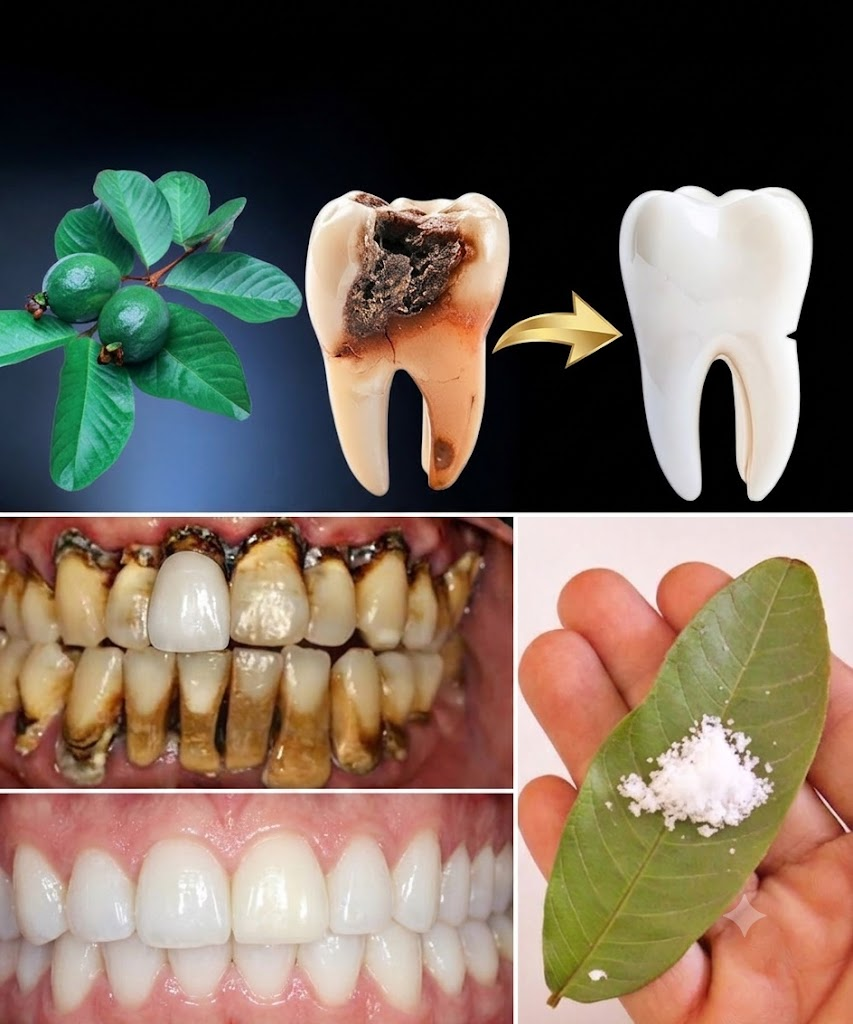
Guava leaves have been used in traditional medicine for centuries to support oral health. In recent years, social media has made bold claims that chewing guava leaves or rinsing with guava leaf tea can repair rotten teeth, eliminate cavities, or replace a visit to the dentist. While guava leaves do contain beneficial plant compounds, these claims are not supported by scientific evidence.
The truth is more balanced. Guava leaves may help reduce harmful bacteria in the mouth, soothe mild gum irritation, and freshen breath. However, they cannot rebuild damaged tooth enamel or heal an established cavity.
In this guide, you’ll learn what research says about guava leaves, how to use them safely, their potential benefits, and why they should be viewed as a helpful addition to good oral hygiene—not a replacement for professional dental care.
What Are Guava Leaves?
Guava leaves come from the guava tree (Psidium guajava), a tropical plant grown throughout Asia, Africa, Central America, and South America. While the fruit is prized for its sweet flavor and high vitamin C content, the leaves have long been used in traditional herbal practices.
They contain a variety of natural compounds, including:
- Flavonoids
- Tannins
- Polyphenols
- Antioxidants
- Essential plant compounds with antibacterial properties
Researchers continue to study these compounds for their possible role in supporting oral and overall health.
Can Guava Leaves Cure Tooth Decay?
The simple answer is no.
Dental cavities develop when bacteria feed on sugars left in the mouth. These bacteria produce acids that slowly dissolve tooth enamel. Once a cavity creates a hole in the tooth, the damaged enamel cannot regenerate naturally.
Guava leaves cannot:
- Repair cavities
- Fill holes in teeth
- Regrow enamel
- Reverse advanced tooth decay
- Replace dental fillings or root canal treatment
If decay is left untreated, it may continue spreading deeper into the tooth, eventually affecting the nerve and causing severe pain or infection.
Potential Benefits of Guava Leaves for Oral Health
Although they cannot cure cavities, guava leaves may offer several supportive benefits when used alongside proper oral hygiene.
May Help Reduce Harmful Oral Bacteria
Several laboratory studies have shown that guava leaf extracts possess antibacterial activity against microorganisms commonly found in the mouth.
One bacterium of particular interest is Streptococcus mutans, which plays a major role in plaque formation and tooth decay.
Reducing bacterial growth may contribute to:
- Cleaner teeth
- Less plaque buildup
- Better oral hygiene
- Lower risk of gum irritation
However, laboratory results do not necessarily mean the same effects occur inside the human mouth.
May Help Soothe Mild Gum Irritation
Traditional medicine has long used guava leaves to calm irritated gums.
Their anti-inflammatory plant compounds may help reduce temporary discomfort caused by:
- Minor gum swelling
- Mild irritation
- Sensitive gums
This soothing effect may make them useful as a supportive home remedy for healthy gums.
May Freshen Breath Naturally
Bad breath often results from bacteria that break down food particles inside the mouth.
Guava leaves contain natural tannins and antibacterial compounds that may help reduce odor-causing bacteria.
Many people notice fresher breath after using a cooled guava leaf mouth rinse.
Provides Antioxidant Support
Guava leaves are rich in antioxidants that help protect cells against oxidative stress.
Although antioxidants do not directly repair teeth, they may support healthy gum tissue and contribute to overall oral wellness.
What Guava Leaves Cannot Do
Despite many online claims, guava leaves have clear limitations.
They cannot:
- Heal rotten teeth
- Reverse severe decay
- Replace fluoride toothpaste
- Remove hardened tartar
- Whiten teeth dramatically
- Treat tooth abscesses
- Eliminate the need for dental treatment
Home remedies should never delay treatment for serious dental problems.
Traditional Ways to Use Guava Leaves
If you want to include guava leaves as part of your oral care routine, there are several traditional methods.
Guava Leaf Mouth Rinse
This is the most common preparation.
Ingredients
- 5–6 fresh guava leaves
- 2 cups water
Instructions
- Wash the leaves thoroughly.
- Bring the water to a boil.
- Add the leaves.
- Simmer for about 10 minutes.
- Allow the mixture to cool.
- Strain into a clean container.
- Swish in the mouth for 30–60 seconds.
- Spit it out.
Use once or twice daily if desired.
Chewing Fresh Guava Leaves
Some people simply chew young guava leaves.
Instructions
- Wash one or two tender leaves carefully.
- Chew slowly for one to two minutes.
- Spit out the leaves afterward.
- Rinse with water if desired.
This practice may temporarily soothe mild gum irritation and freshen the breath.
Guava Leaf and Salt Rinse
Adding a small amount of salt is another traditional approach.
Ingredients
- 5 guava leaves
- 2 cups water
- A pinch of salt
Instructions
- Boil the leaves for 10 minutes.
- Strain the liquid.
- Stir in a pinch of salt.
- Allow it to cool until warm.
- Use as a mouth rinse.
Salt may provide additional soothing effects for mildly irritated gums.
Tips for Better Oral Health
Guava leaves work best as a complement to healthy daily habits rather than as a treatment.
For healthier teeth and gums:
- Brush twice daily with fluoride toothpaste.
- Floss every day.
- Replace your toothbrush every three months.
- Drink plenty of water.
- Reduce sugary snacks and soft drinks.
- Eat foods rich in calcium and vitamin D.
- Visit your dentist regularly for checkups and professional cleanings.
- Avoid tobacco products.
These habits remain the most effective way to prevent cavities and gum disease.
When You Should See a Dentist
Seek professional dental care if you notice:
- Persistent tooth pain
- A visible hole in a tooth
- Black or brown spots on teeth
- Swollen gums or face
- Pus near a tooth
- Fever with dental pain
- Difficulty chewing
- Ongoing bleeding gums
These symptoms may indicate advanced decay or infection that requires prompt treatment.
Safety Tips
Guava leaves are generally considered safe when used as a mouth rinse, but a few precautions are important.
- Wash fresh leaves thoroughly before use.
- Do not swallow large amounts of homemade guava leaf rinse.
- Stop using the rinse if irritation develops.
- People with plant allergies should use caution.
- Continue brushing and flossing even if using herbal remedies.
Frequently Asked Questions
Can guava leaves remove cavities?
No. Guava leaves cannot repair cavities or rebuild damaged enamel. Once a cavity forms, it requires treatment by a dentist.
Can I chew guava leaves every day?
Many people chew one or two clean, young guava leaves occasionally as part of traditional oral care. Moderation is recommended, and they should not replace brushing or dental treatment.
Do guava leaves help with bad breath?
They may help reduce odor-causing bacteria and temporarily freshen breath, but persistent bad breath should be evaluated by a dental professional.
Can guava leaves reduce gum inflammation?
Their natural anti-inflammatory compounds may help soothe mild gum irritation. However, persistent swelling, bleeding, or pain should be assessed by a dentist.
Is guava leaf tea safe as a mouth rinse?
Yes, when prepared hygienically and used as a rinse rather than swallowed in large amounts, it is generally considered safe for most healthy adults.
Can guava leaves replace toothpaste?
No. Fluoride toothpaste remains one of the most effective tools for preventing tooth decay. Guava leaves should only be viewed as a supportive addition to a proper oral hygiene routine.
Final Thoughts
Guava leaves have earned their place in traditional medicine thanks to their antibacterial, anti-inflammatory, and antioxidant properties. They may help freshen breath, support healthy gums, and contribute to better oral hygiene when used alongside daily brushing and flossing.
However, they are not a cure for tooth decay. Once a cavity forms, only professional dental treatment can repair the damaged tooth.
The best approach combines good oral hygiene, a balanced diet, regular dental checkups, and evidence-based care. If you enjoy natural remedies, guava leaves can be a useful addition to your routine—but they should always complement, not replace, proper dental care.