
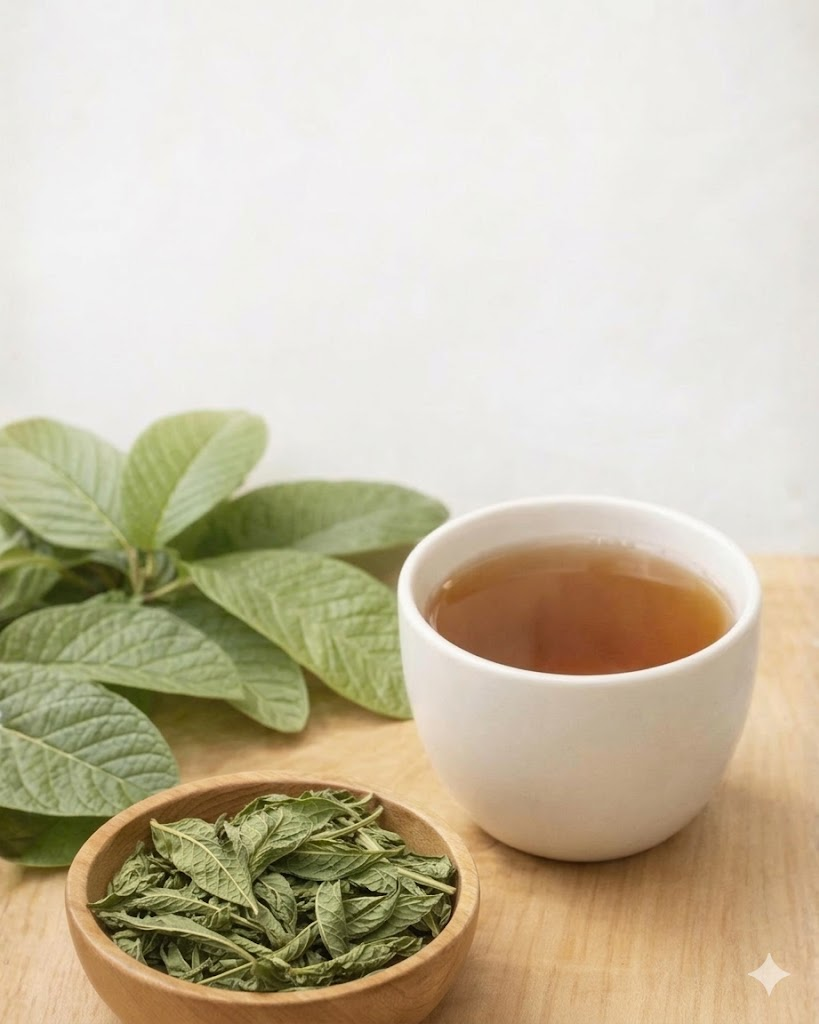
Guava leaf tea is one of those simple, natural drinks that has quietly supported health for generations. While most people focus on the sweet guava fruit, the leaves of the plant hold a powerful combination of nutrients and plant compounds that can benefit the body in many ways.
Used in traditional remedies across Asia, Africa, and Latin America, guava leaf tea is now gaining attention in modern wellness circles. People are turning to it as a gentle, caffeine-free option to support digestion, balance blood sugar, and improve overall health without relying on complex supplements.
What makes it even better is how easy it is to prepare at home. With just a few leaves and water, you can create a nourishing herbal infusion that fits easily into your daily routine.
In this guide, you’ll learn everything you need to know—from its key benefits and properties to the simplest way to prepare it safely and effectively.
What Is Guava Leaf Tea?
Guava leaf tea is a herbal infusion made by steeping the leaves of the guava tree, scientifically known as Psidium guajava, in hot water.
Origin and Traditional Use
The guava plant grows in tropical and subtropical regions. While the fruit is widely consumed, the leaves have long been used in traditional medicine to support:
- Digestive health
- Immune function
- Inflammation control
- Minor infections
Communities have relied on guava leaves for generations because of their natural healing properties and availability.
Nutritional and Active Compounds
Guava leaves are rich in bioactive compounds that contribute to their health-supporting effects.
Key Components
- Polyphenols
- Flavonoids
- Tannins
- Carotenoids
- Quercetin
Why These Matter
These compounds act as antioxidants and anti-inflammatory agents. They help protect the body from damage caused by free radicals and support various internal processes, including metabolism and immune response.
Health Benefits of Guava Leaf Tea
Guava leaf tea offers a range of potential benefits when consumed regularly in moderation.
Supports Blood Sugar Balance
One of the most studied benefits of guava leaves is their role in blood sugar regulation.
How It Helps
- May reduce sugar absorption in the body
- Supports better insulin response
- Helps stabilize blood glucose levels after meals
Some studies suggest that drinking guava leaf tea after eating may help prevent sudden spikes in blood sugar, making it a popular choice for people managing prediabetes or diabetes alongside medical care.
Promotes Digestive Health
Guava leaf tea has a long history as a digestive remedy.
Common Uses
- Relief from bloating
- Support during indigestion
- Soothing stomach discomfort
- Managing mild diarrhea
Why It Works
The antimicrobial properties may help reduce harmful bacteria in the gut, while tannins help calm inflammation in the digestive tract.
Rich in Antioxidants
Antioxidants play a key role in maintaining overall health, and guava leaves are packed with them.
Benefits of Antioxidants
- Protect cells from damage
- Reduce oxidative stress
- Support healthy aging
- Strengthen the immune system
Regular intake of antioxidant-rich beverages like guava leaf tea can support long-term wellness.
May Support Heart Health
Guava leaf tea may contribute to cardiovascular health when combined with a balanced lifestyle.
Potential Effects
- Helps lower LDL (bad cholesterol)
- Supports healthy blood pressure levels
- Promotes better circulation
These benefits are linked to the plant’s antioxidant and anti-inflammatory compounds.
Aids in Weight Management
Guava leaf tea is often included in natural wellness routines focused on weight control.
How It Supports Weight Goals
- Helps regulate metabolism
- May reduce sugar absorption
- Supports digestion
- May reduce cravings
While it’s not a quick solution, it can complement a healthy diet and active lifestyle.
Supports Skin and Immune Health
Guava leaves contain compounds that benefit both skin and immune function.
Possible Benefits
- Helps reduce inflammation
- Supports clearer skin
- May reduce acne and irritation
- Strengthens the body’s natural defenses
Some people also use cooled guava leaf tea as a rinse for skin or hair.
How to Prepare Guava Leaf Tea at Home
Making guava leaf tea is simple and requires only a few basic ingredients.
Ingredients
- 4–5 fresh guava leaves or 1–2 teaspoons dried leaves
- 2 cups of water
- Optional: honey or lemon
Step-by-Step Preparation
Step 1: Clean the Leaves
Wash the guava leaves thoroughly to remove dirt and impurities.
Step 2: Boil the Water
Bring 2 cups of water to a boil in a small pot.
Step 3: Add the Leaves
Add the leaves to the boiling water.
Step 4: Simmer and Steep
Let the leaves simmer for about 10–15 minutes to release their compounds.
Step 5: Strain the Tea
Remove the leaves by straining the liquid into a cup.
Step 6: Add Flavor (Optional)
Add a small amount of honey or lemon if you prefer a sweeter or tangy taste.
You can enjoy the tea warm or let it cool and drink it chilled.
How Often Should You Drink It?
For most people, drinking 1–2 cups per day is considered a safe and effective amount.
Best Practices
- Drink after meals for blood sugar support
- Start with one cup to see how your body reacts
- Avoid excessive consumption
Moderation is important to avoid potential discomfort.
Possible Side Effects and Precautions
Although guava leaf tea is generally safe, there are a few things to keep in mind.
Who Should Be Careful
- Pregnant or breastfeeding individuals
- People taking medications for diabetes or blood pressure
- Individuals with sensitive digestion
Possible Side Effects
- Mild stomach discomfort in some cases
- Interaction with certain medications
Always consult a healthcare professional if you have concerns.
The Bigger Picture of Natural Wellness
Guava leaf tea works best when combined with a healthy lifestyle.
Supportive Habits
- Eat a balanced diet
- Stay hydrated
- Exercise regularly
- Maintain consistent sleep
Natural remedies are most effective when they support—not replace—healthy daily habits.
Tips for Best Results
Use Fresh or High-Quality Leaves
Fresh leaves or properly dried ones provide better flavor and benefits.
Don’t Overboil
Simmer gently to preserve nutrients.
Stay Consistent
Regular consumption leads to better long-term results.
Avoid Too Much Sweetener
Keep the tea natural to maintain its health benefits.
Store Properly
If making in batches, refrigerate and consume within 24–48 hours.
Listen to Your Body
Adjust intake if you notice any discomfort.
FAQs
What does guava leaf tea taste like?
It has a mild, earthy flavor with slightly herbal notes. Some people find it slightly bitter, which can be balanced with honey.
Can I drink it every day?
Yes, in moderation. One to two cups daily is generally safe for most people.
Does it help with blood sugar?
It may support blood sugar control, but it should not replace medical treatment.
Can I use dried leaves instead of fresh?
Yes, dried leaves work well and are often more convenient.
Is it safe for weight loss?
It may support weight management, but it is not a standalone solution.
Can I drink it cold?
Yes, it can be enjoyed both hot and chilled.
Does it replace medication?
No, it should only complement a healthy routine and professional medical advice.
Conclusion
Guava leaf tea is a simple yet powerful herbal drink with deep roots in traditional medicine. Its rich combination of antioxidants, anti-inflammatory compounds, and natural plant chemicals makes it a valuable addition to a healthy lifestyle.
Easy to prepare and gentle on the body, it offers a natural way to support digestion, blood sugar balance, and overall wellness. When used consistently and responsibly, this humble tea can become a daily habit that supports your health in a steady, natural way.