
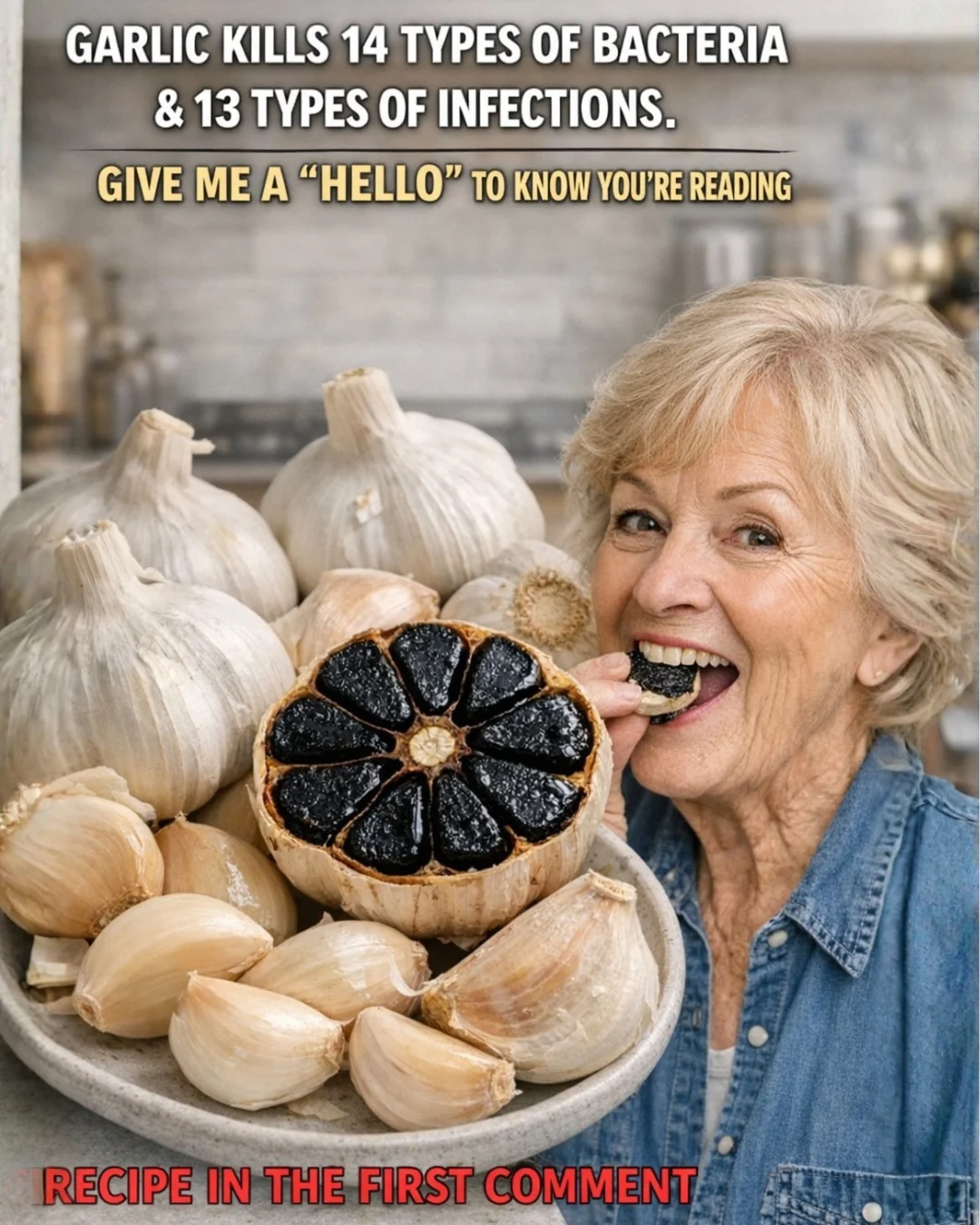
Garlic has earned its place in kitchens around the world for its bold flavor, but its true power goes far beyond cooking. For thousands of years, garlic has been valued as a natural medicine, used to protect the body against illness and infection. Today, modern science confirms what traditional healers already understood: garlic contains potent compounds that can fight harmful bacteria, including strains that have become resistant to common antibiotics.
At a time when antibiotic resistance is a growing global concern, garlic stands out as a natural ally. Research shows that garlic can help kill or suppress at least 14 types of dangerous bacteria, while also supporting the immune system, heart health, and overall wellness. This article explains how garlic works, which bacteria it targets, how to use it correctly, and what precautions to keep in mind.
Why Garlic Is Considered a Natural Antibiotic
The Role of Allicin
Garlic’s antibacterial power comes mainly from a sulfur-containing compound called allicin. Allicin is not present in whole garlic cloves. It forms only when garlic is crushed, chopped, or chewed. This natural reaction activates garlic’s strongest medicinal properties.
Allicin is responsible for garlic’s sharp aroma, but more importantly, it has strong antibacterial, antifungal, and antiviral effects. Unlike many synthetic antibiotics, allicin works in several ways at once, making it very difficult for bacteria to adapt or develop resistance.
How Garlic Attacks Harmful Bacteria
Garlic works against bacteria through multiple mechanisms:
- It damages bacterial cell walls, causing them to break down
- It blocks essential enzymes bacteria need to survive
- It prevents bacteria from multiplying
- It interferes with communication between bacterial cells
Because garlic targets bacteria in several ways, it remains effective even against strains that no longer respond to standard antibiotics.
Fourteen Types of Bacteria Garlic Can Help Fight
Scientific studies and laboratory research have shown garlic to be effective against a wide range of harmful bacteria. These include bacteria responsible for digestive infections, skin problems, respiratory illnesses, and more serious conditions.
Common Digestive and Foodborne Bacteria
Garlic has demonstrated activity against bacteria often linked to food poisoning and digestive distress:
- Escherichia coli (E. coli)
- Salmonella
- Shigella
- Listeria monocytogenes
These bacteria can cause severe stomach pain, diarrhea, fever, and dehydration. Garlic’s antibacterial action may help reduce their impact when used as part of a balanced diet.
Skin, Wound, and Hospital-Related Bacteria
Garlic is also effective against bacteria that affect the skin or cause hospital-acquired infections:
- Staphylococcus aureus, including resistant strains
- Enterococcus faecalis
- Pseudomonas aeruginosa
Some of these bacteria are known for resisting antibiotics, making garlic’s natural activity especially valuable.
Respiratory and Systemic Bacteria
Research also points to garlic’s activity against bacteria linked to more serious infections:
- Streptococcus species
- Klebsiella pneumoniae
- Proteus mirabilis
- Bacillus subtilis
- Clostridium difficile
- Helicobacter pylori
- Mycobacterium tuberculosis
This wide range of effectiveness places garlic among the most powerful antibacterial foods available.
Health Benefits of Garlic Beyond Fighting Bacteria
Immune System Support
Garlic strengthens the immune response by stimulating white blood cells. This helps the body respond more quickly when exposed to viruses, bacteria, or other pathogens.
Heart and Circulatory Health
Garlic supports cardiovascular health in several ways. It helps relax blood vessels, improves circulation, and may reduce plaque buildup in arteries. Regular consumption has been linked to healthier cholesterol levels and lower blood pressure.
Anti-Inflammatory Effects
Chronic inflammation is linked to many long-term health conditions. Garlic contains compounds that help calm inflammation and support joint, muscle, and immune health.
Antiviral and Antifungal Properties
Garlic does not only target bacteria. It also shows activity against viruses and fungi, including common causes of colds, flu, and yeast overgrowth.
Antioxidant Protection
Garlic contains antioxidants that protect cells from damage caused by free radicals. This helps slow cellular aging and supports long-term health.
How to Use Garlic for Maximum Antibacterial Power
Raw Garlic for Best Results
Raw garlic provides the strongest antibacterial effect because allicin is sensitive to heat.
How to use raw garlic effectively:
- Crush or finely chop one to two cloves
- Let it rest for about ten minutes to allow allicin to form
- Consume with water, mix with honey, or spread on food
This method is ideal for immune support and general wellness.
Garlic Infusion or Tea
Garlic tea is a gentle option for people who find raw garlic too strong. It is often used during cold and flu season.
How to prepare:
- Boil water
- Add crushed garlic, optional ginger, and lemon
- Steep for five to ten minutes
- Drink warm
Honey can be added to improve taste and soothe the throat.
Adding Garlic to Cooked Foods
Heat reduces allicin, but garlic still offers benefits when used correctly. To preserve its properties, add garlic near the end of cooking rather than at the beginning.
What Happens When You Eat Garlic Every Day
Regular garlic consumption may lead to noticeable health improvements over time. Many people report:
- Fewer colds and infections
- Faster recovery when sick
- Improved digestion
- Increased energy levels
- Healthier skin
- Better circulation
Consistency matters more than large amounts. Small daily servings are usually enough to support long-term health.
Precautions and Possible Side Effects
Garlic is safe for most people, but moderation is important.
Possible side effects include:
- Strong breath and body odor
- Stomach discomfort
- Heartburn in sensitive individuals
You should be cautious if:
- You take blood-thinning medications
- You have a bleeding disorder
- You are preparing for surgery
If you are pregnant, breastfeeding, or taking medication, consult a healthcare professional before using garlic in large amounts for therapeutic purposes.
Garlic Compared to Conventional Antibiotics
Garlic offers several advantages when used responsibly:
- It does not contribute to antibiotic resistance
- It does not destroy beneficial gut bacteria
- It supports the immune system rather than weakening it
- It has fewer long-term side effects
While garlic should not replace prescribed antibiotics for serious infections, it can be a powerful preventive tool and a supportive addition to medical care.
Practical Tips for Using Garlic Daily
- Crush garlic and let it rest before consuming
- Start with small amounts if you are sensitive
- Combine garlic with honey or yogurt to reduce irritation
- Add garlic regularly to meals instead of taking large doses
- Store garlic in a cool, dry place for best quality
Frequently Asked Questions
Can garlic really replace antibiotics?
Garlic should not replace antibiotics for serious or advanced infections. However, it can support immune health, help prevent infections, and assist the body alongside medical treatment.
How much garlic should I eat per day?
One to two raw cloves per day is commonly recommended for general health. Smaller amounts still offer benefits.
Does cooked garlic still help?
Yes, cooked garlic still provides antioxidants and sulfur compounds, though raw garlic offers the strongest antibacterial effect.
Can children consume garlic?
Garlic is safe in food amounts. Strong raw garlic may be too intense, so milder forms are better for younger individuals.
How long does it take to notice benefits?
Some people notice changes within a few weeks of regular use, especially in immune strength and digestion.
Garlic is one of nature’s most reliable defenses against harmful bacteria. With the ability to fight at least 14 types of microbes, support immune health, and protect the heart, it deserves a regular place in your daily routine. Simple, affordable, and backed by both tradition and science, garlic proves that powerful medicine does not always come from a pharmacy.