
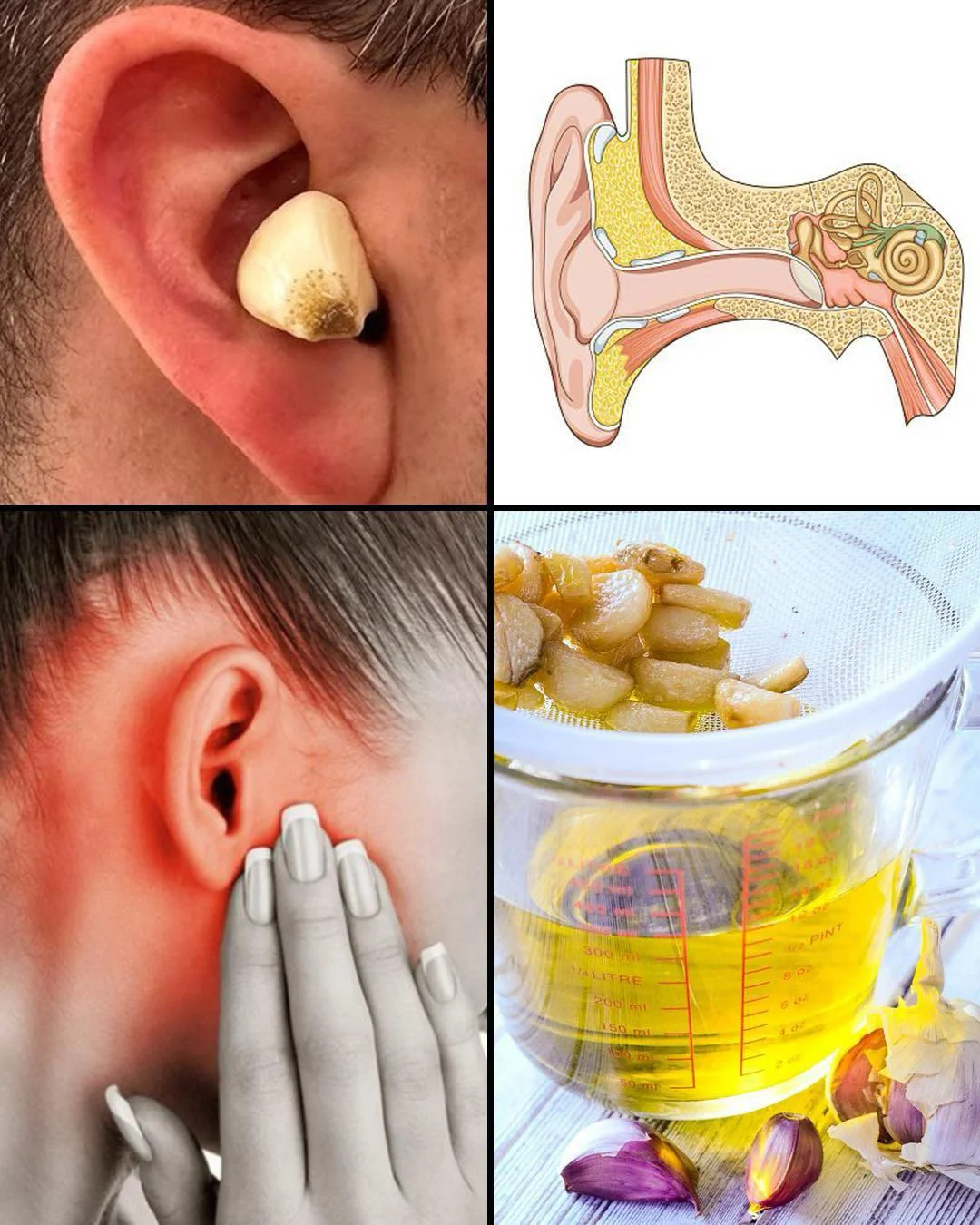
Garlic has been valued for centuries not only as a flavorful kitchen staple but also as a trusted natural remedy. Across many cultures, it has been used to support immunity, digestion, and circulation. One lesser-known but widely practiced use of garlic is for ear health. From soothing ear discomfort to helping maintain a cleaner ear environment, garlic continues to attract attention as a gentle, accessible option for everyday care.
This article explores how garlic may support ear health, why it has been traditionally used, how to apply it safely at home, and what precautions you should always keep in mind. The goal is not to replace professional care, but to understand how simple, natural methods can complement a mindful wellness routine.
Why Ear Health Matters More Than We Think
The ears and daily comfort
Ears play a vital role beyond hearing. They help with balance, orientation, and overall comfort. Even mild ear issues such as pressure, wax buildup, or irritation can affect sleep, focus, and mood. Many people experience ear discomfort during colds, seasonal allergies, or sinus congestion, especially as they get older.
The challenge with harsh solutions
Conventional ear treatments can be effective, but some people prefer to avoid frequent chemical drops or repeated interventions when symptoms are mild. This has led many to revisit traditional remedies that rely on natural ingredients known for their soothing and protective qualities.
Garlic stands out among these remedies because of its unique combination of compounds and its long history of use.
What Makes Garlic Special for Ear Care
Key natural compounds
Garlic, scientifically known as Allium sativum, contains sulfur-based compounds, the most notable being allicin. When garlic is crushed or chopped, allicin is released. This compound is widely studied for its antibacterial, antifungal, antiviral, and anti-inflammatory properties.
In traditional practices, these properties made garlic a common choice for addressing discomfort caused by microbes, inflammation, or buildup in various parts of the body, including the ears.
A gentle but active approach
Unlike harsh chemical agents, garlic works gradually. When prepared properly, it delivers warmth and soothing effects without overwhelming sensitive tissues. This balance is one reason it remains popular in home care traditions.
Five Ways Garlic May Support Ear Health
Helping manage mild ear infections
In traditional use, garlic has been applied to help manage mild outer or middle ear discomfort believed to be linked to bacteria. Its natural antibacterial action may help reduce microbial activity in early or minor cases. It is important to note that garlic is not a substitute for prescribed antibiotics in serious infections, but it may offer supportive care when symptoms are mild.
Reducing inflammation and discomfort
Earaches often involve inflammation, whether caused by congestion, sinus pressure, or irritation. Garlic contains compounds that may help calm this response, providing a soothing effect that many people describe as comforting and warming.
Softening hardened earwax
Excess earwax can cause pressure, muffled hearing, or discomfort. Oils infused with garlic are traditionally used to help soften hardened wax, making it easier to exit the ear naturally without aggressive cleaning methods.
Supporting fungal balance
In some cases, itching or discomfort in the ear may be linked to fungal overgrowth. Garlic’s antifungal properties have made it a traditional option for restoring balance in such situations, especially when symptoms are mild.
Promoting overall ear hygiene
By helping create an environment less favorable to unwanted microbes, garlic oil has been used to support general ear cleanliness. This does not mean daily use is necessary, but occasional use may help maintain comfort during vulnerable times such as colds or seasonal changes.
How to Use Garlic Safely for Ear Care
Using garlic correctly is essential. Improper application can cause irritation or discomfort. The following methods are commonly used in traditional home care and focus on safety and moderation.
Garlic-Infused Oil for Ears
What you need
- 1 to 2 fresh garlic cloves
- 2 tablespoons olive oil or coconut oil
- A small saucepan
- A fine strainer or cheesecloth
- A clean glass container
- A dropper, if available
Preparation steps
- Peel and lightly crush the garlic cloves to release their active compounds.
- Pour the oil into a small saucepan and warm it gently over very low heat.
- Add the garlic and let it infuse slowly for 5 to 10 minutes. Do not let the garlic fry or burn.
- Remove from heat and allow the oil to cool completely.
- Strain out the garlic pieces and store the oil in a clean glass container.
How to use
Once the oil is lukewarm, place 1 to 2 drops into the affected ear using a clean dropper. Tilt your head to the side and remain in that position for 5 to 10 minutes. Gently wipe away any excess oil afterward. This can be done once or twice daily for up to three days.
Warm Garlic Compress Method
What you need
- 1 fresh garlic clove
- Clean gauze or a thin cloth
- A spoon
- A warm towel
Preparation and use
Crush the garlic slightly and wrap it in gauze to create a small pouch. Warm it gently near a warm towel, making sure it is not hot. Place the compress near the outer opening of the ear, never inside the ear canal. Lie down and let it rest for 10 to 15 minutes.
This method is useful for those who prefer not to place oil in the ear and still want the warmth and aroma of garlic.
Important Safety Considerations
When not to use garlic remedies
Garlic should never be used if there is any suspicion of a ruptured eardrum. Warning signs may include fluid leaking from the ear, sharp pain, sudden hearing loss, or dizziness. In these cases, professional medical care is essential.
Avoid direct insertion
Never insert raw garlic cloves directly into the ear canal. This can cause irritation, swelling, or blockage and may be difficult to remove.
Temperature matters
Always ensure garlic oil is lukewarm, not hot. Testing it on the inside of your wrist before use is a simple safety step.
Know when to seek help
If ear pain persists, worsens, or is accompanied by fever or hearing changes, consult a healthcare professional promptly. Natural remedies are meant for mild support, not for treating serious conditions.
Tips for Best Results
- Use fresh garlic for the highest potency.
- Prepare small batches of garlic oil to keep it fresh.
- Limit use to short periods rather than continuous daily application.
- Combine garlic care with good ear hygiene habits, such as avoiding cotton swabs deep in the ear.
- Always listen to your body and stop if irritation occurs.
Garlic and Modern Wellness Perspectives
While garlic’s role in ear care is rooted in tradition, modern interest continues to grow as people seek natural ways to support everyday comfort. Many wellness practitioners emphasize that such remedies work best as part of a broader lifestyle that includes balanced nutrition, hydration, rest, and timely medical care when needed.
Garlic’s value lies not in being a cure-all, but in its ability to offer gentle support during minor discomforts and transitional periods such as colds or seasonal changes.
FAQs
Is garlic safe for ear use in adults?
When used properly and in moderation, garlic-infused oil or compresses are generally considered safe for adults with mild symptoms. Always follow safety guidelines.
Can garlic help with earwax buildup?
Garlic oil may help soften hardened earwax, making it easier for the ear to clear it naturally. It should not replace professional ear cleaning when needed.
How often can garlic oil be used?
Most people limit use to once or twice daily for no more than three days. Continuous long-term use is not recommended.
Can garlic be used for children’s ears?
Children’s ears are more sensitive. Always consult a healthcare professional before using any home remedy on children.
Does garlic replace medical treatment?
No. Garlic is a supportive home remedy for mild issues only. Persistent or severe symptoms require medical evaluation.
Final Thoughts
Garlic has earned its place as one of nature’s most respected ingredients, valued for both flavor and function. When it comes to ear health, garlic offers a traditional, gentle option that may help soothe discomfort, support hygiene, and provide peace of mind during minor issues.
Used thoughtfully and safely, garlic-based remedies can complement modern care rather than compete with it. As with any natural approach, awareness, moderation, and respect for your body’s signals are key. Sometimes, the simplest remedies remind us that care often begins with what we already have at home.