
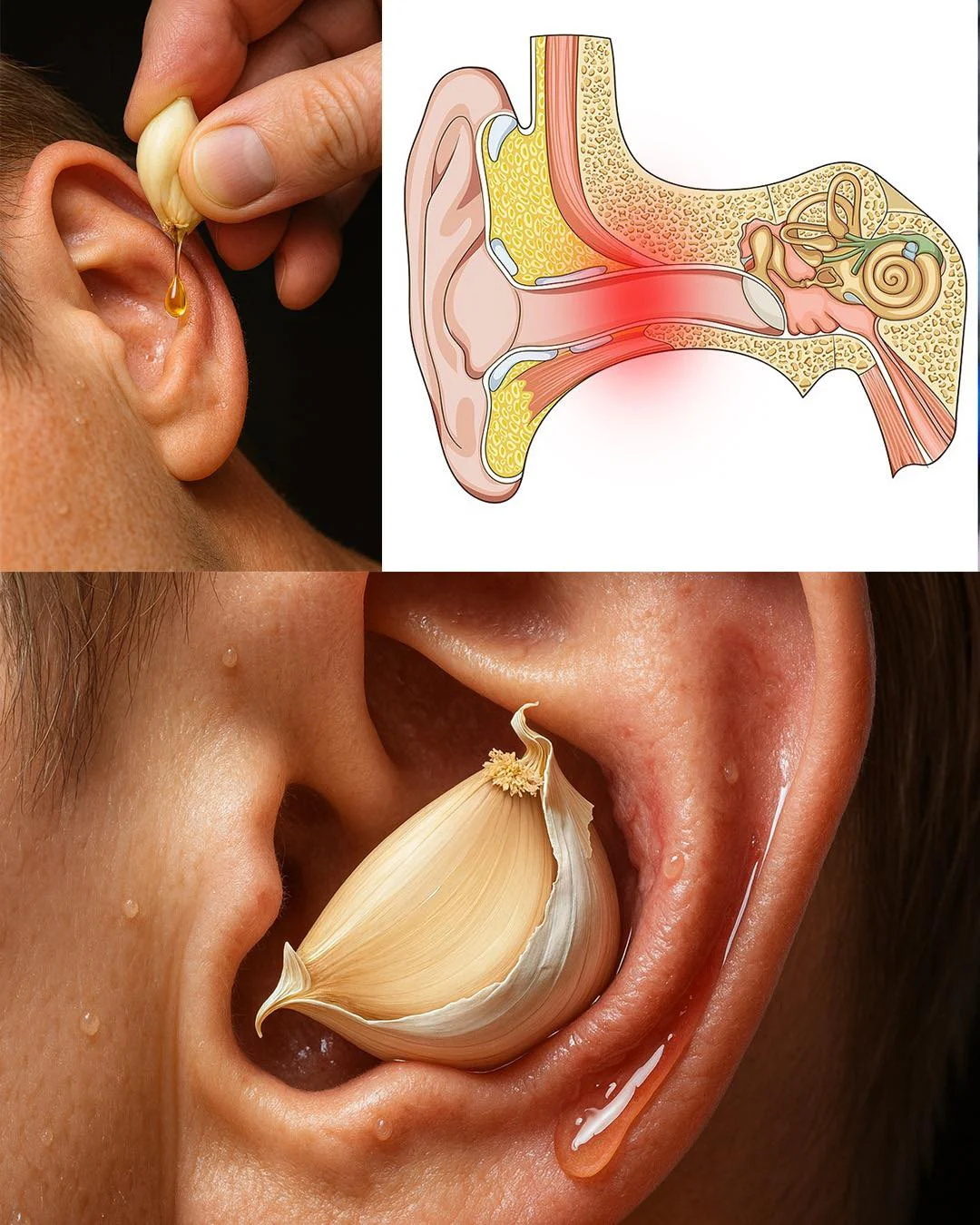
Garlic has long been regarded as one of nature’s most powerful healing foods, thanks to its antibacterial, antiviral, antifungal, and anti-inflammatory properties. While many people use garlic for heart health, immunity, or digestion, fewer know that this simple kitchen ingredient can also support ear health in gentle yet effective ways.
For those dealing with earaches, mild infections, itching, or stubborn earwax, garlic offers natural relief without relying on harsh chemicals or expensive treatments. In this detailed guide, you’ll learn why garlic works, how to prepare it safely, practical application methods, and important precautions to follow.
Why Garlic Supports Natural Ear Health
Garlic (Allium sativum) contains a compound called allicin, which is responsible for most of its medicinal power. When garlic is crushed, allicin activates and begins working as a natural antimicrobial and anti-inflammatory agent. This makes garlic a valuable home remedy for several common ear concerns.
Natural Antibacterial Protection
Bacteria are a frequent cause of ear infections, especially in the outer ear canal. Garlic’s antibacterial nature helps reduce bacterial overgrowth and calm mild infections.
Anti-Inflammatory Effects for Ear Pain
Inflammation in the ear canal often leads to throbbing, pressure, or aching. Garlic contains sulfur compounds that naturally reduce swelling, offering relief from discomfort.
Antifungal Support
Some ear issues — especially itching, flaking, or a feeling of moisture in the ear — come from fungal overgrowth. Garlic’s antifungal abilities can help restore balance in these cases.
Gentle Earwax Softening
In oil form, garlic can soften hardened earwax, making it easier and safer to remove. This is especially helpful for individuals who produce excessive wax or have recurring blockages.
Overall Ear Hygiene Support
Because garlic can reduce harmful microbes, its oil helps create an environment inside the ear canal that stays cleaner and healthier.
Five Major Ear Health Benefits of Garlic
Helps Soothe Mild Ear Infections
Garlic works well for mild outer and middle ear infections. Its natural antibacterial properties help reduce the intensity of infections and soothe irritation. It should not replace medical treatment in severe cases but can support early relief.
Reduces Ear Pain and Pressure
When used as warm garlic oil, the heat plus anti-inflammatory compounds relieve pain caused by sinus congestion, colds, or fluid buildup behind the eardrum.
Softens Stubborn Earwax
Garlic-infused oil gently loosens impacted wax, allowing it to exit naturally without inserting dangerous objects into the ear canal.
Helps Fight Fungal Overgrowth
Fungal infections in the ear often cause itching, odor, or flaky skin. Garlic’s antifungal action can help restore balance and comfort.
Supports Ongoing Ear Cleanliness
Using garlic oil occasionally helps maintain a clean ear canal and reduces the likelihood of recurring infections or buildup.
How to Use Garlic Safely for Ear Health
There are two safe and well-known methods: garlic-infused oil and a warm garlic compress. Both methods allow garlic’s healing properties to reach the ear canal without inserting solid garlic directly inside.
Garlic-Infused Ear Oil
This is the most popular and effective way to use garlic for ear issues. It’s gentle, potent, and simple to prepare.
What You Need
- 1–2 fresh garlic cloves
- 2 tablespoons olive oil or coconut oil
- A clean jar or bottle
- Cheesecloth or fine strainer
- A dropper (optional but helpful)
Step-by-Step Instructions
Prepare the Garlic
Peel and lightly crush the garlic to activate allicin. Crushing is important because it releases the enzymes that make garlic medicinal.
Heat the Oil Gently
Warm the olive or coconut oil in a saucepan over low heat for 5–10 minutes.
Add the Garlic
Place the crushed garlic into the warm oil. Let it simmer gently until it turns slightly golden. Avoid frying — overheating destroys allicin.
Cool the Mixture
Remove from heat and allow the oil to cool to a lukewarm temperature.
Strain and Store
Strain out the garlic pieces using cheesecloth or a fine strainer. Pour the garlic-infused oil into a clean glass container.
Apply the Oil
- Test the oil on your wrist to ensure it is warm, not hot.
- Tilt your head and place 1–2 drops of oil gently into the ear.
- Stay in the same position for 5–10 minutes to help the oil settle.
- Wipe away any oil that drips out.
Repeat once or twice daily for up to three days.
Warm Garlic Compress (No Oil Needed)
This method is perfect for those who prefer not to place liquids inside the ear canal.
What You Need
- 1 clove of garlic
- Gauze or a small cloth
- A warm towel
- A clean spoon
Steps to Follow
Prepare the Garlic
Peel and gently crush the garlic using the back of a spoon.
Wrap the Garlic
Place the crushed garlic inside a piece of gauze or thin cloth to create a small pouch.
Warm the Compress
Warm the compress by placing it near a warm towel. Make sure it is warm, not hot.
Apply to the Ear
Place the wrapped garlic gently at the opening of the ear — never inside it. Let it rest for 10–15 minutes while relaxing.
This method helps reduce inflammation and soothe discomfort, especially during colds or sinus infections.
Important Safety Tips
Using garlic for ear care is safe when done correctly. Follow these guidelines:
Never Insert Garlic Directly Into the Ear
Whole cloves or pieces of garlic can irritate the ear canal or get stuck, making the issue worse.
Avoid Using Garlic Remedies With a Suspected Ruptured Eardrum
If you experience:
- Fluid leaking from your ear
- Sudden sharp pain
- Hearing loss
seek medical attention immediately.
Do Not Use Hot Oil
Always test garlic oil on your wrist before applying. Hot oil can burn the delicate inner ear tissues.
Stop if It Causes Irritation
If you feel burning, itching, or worsening discomfort, discontinue use.
Consult a Doctor if Symptoms Persist
Garlic is a natural helper for mild issues only. Persistent or severe symptoms require medical assessment.
Helpful Tips for Best Results
- Always use fresh garlic, not garlic powder.
- Olive oil provides gentle nourishment and works best for sensitive ears.
- For children, use only a very mild infusion and consult a healthcare professional.
- Make small batches of garlic oil — freshness increases effectiveness.
- Use garlic oil only for mild infections or minor ear discomfort.
Conclusion
Garlic is far more than a flavorful seasoning — it’s a natural remedy with centuries of traditional use and modern scientific support. Its antimicrobial, anti-inflammatory, and soothing properties make it an excellent option for relieving mild earaches, softening earwax, calming inflammation, and supporting general ear hygiene.
With safe preparation and proper application, garlic-infused oil and warm garlic compresses can provide gentle relief and protection for your ears. As with all natural remedies, understanding how to use garlic correctly is the key to experiencing its full benefits.
FAQs
Can garlic oil cure an ear infection completely?
Garlic can help with mild infections, but moderate or severe infections require medical treatment. Use garlic as supportive care, not a replacement for antibiotics.
Is garlic oil safe for children?
It can be, but only if very mild and used with care. Consult a pediatrician before applying garlic oil to a child’s ear.
How often can I use garlic oil in the ear?
Once or twice a day for up to three days. If symptoms don’t improve, seek medical help.
Can I use coconut oil instead of olive oil?
Yes. Coconut oil has antimicrobial benefits and works well as a carrier oil.
Can garlic help with ringing in the ears?
Garlic may improve circulation and reduce inflammation, but tinnitus has many causes. Garlic alone may not resolve ringing.
Can I store garlic oil for later use?
Yes, but only for up to one week in the refrigerator. After that, make a fresh batch.