
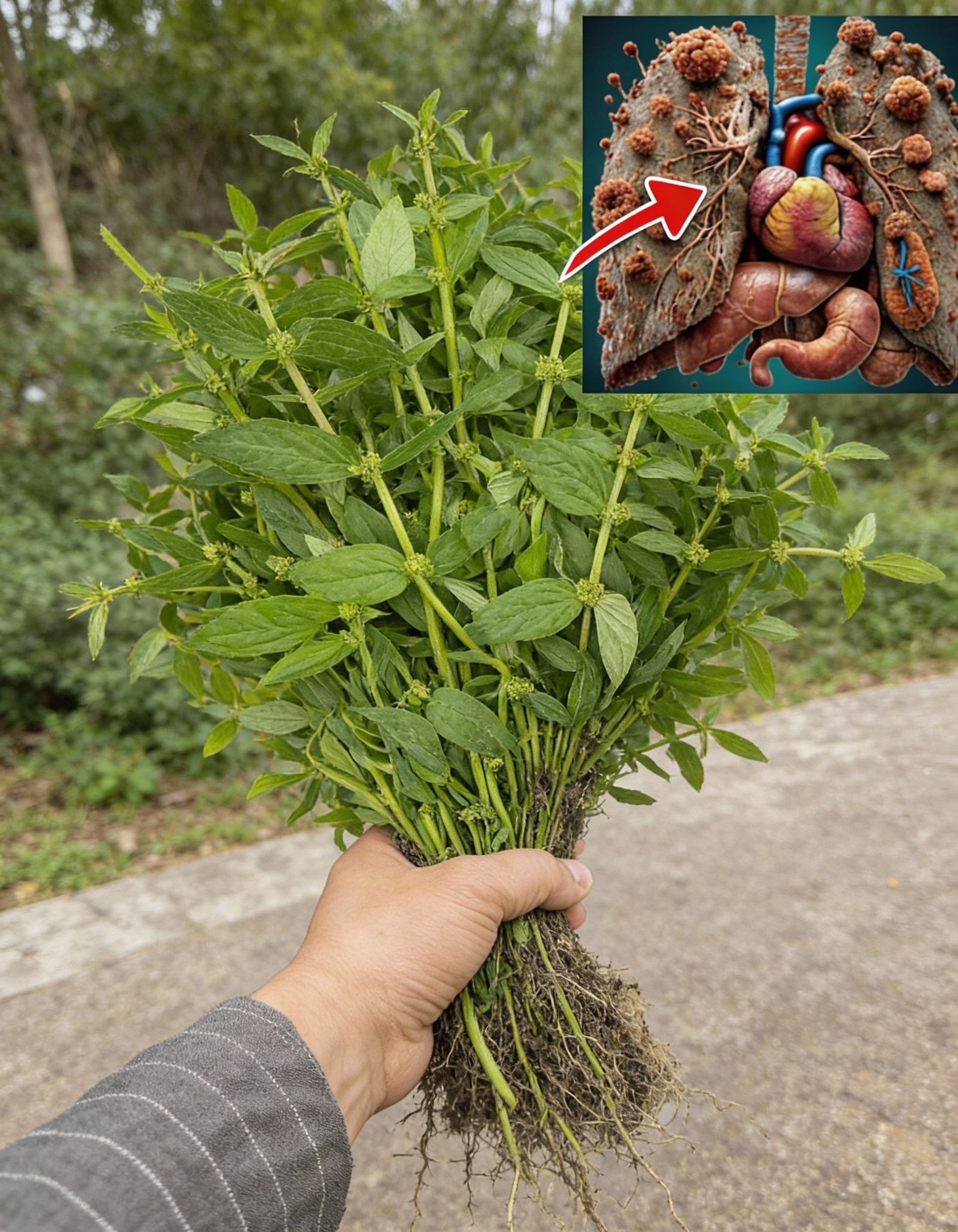
At first glance, Euphorbia hirta looks like an ordinary weed that most people would pull out and discard without a second thought. It grows low to the ground, spreads quickly, and thrives in places that seem unsuitable for anything valuable—sidewalk cracks, empty fields, gardens, and roadsides. Yet for centuries, this humble plant has played a meaningful role in traditional wellness practices across multiple cultures.
Often overlooked because of its appearance, Euphorbia hirta has earned respect under many local names and has been used in folk remedies long before modern science began studying its natural compounds. Today, interest in this plant continues to grow as researchers explore why it has remained relevant for generations.
What Is Euphorbia Hirta?
Euphorbia hirta is an annual herb belonging to the Euphorbiaceae family, commonly known as the spurge family. The plant is easy to recognize once you know what to look for. It grows close to the ground with thin, reddish stems that are covered in fine hairs. The leaves are small, oval-shaped, and grow in opposite pairs along the stem. When the plant is broken, it releases a milky white sap, which is typical of many Euphorbia species.
Common Names and Cultural Recognition
Depending on the region, Euphorbia hirta is known by several names that reflect its traditional uses:
- Asthma weed, linked to breathing-related folk remedies
- Snakeweed, based on historical beliefs
- Tawa-tawa, widely used in the Philippines
- Dudhi, a common name in parts of India
These names highlight the plant’s cultural importance rather than its appearance.
Naturally Occurring Compounds
Scientific analysis has identified several bioactive compounds in Euphorbia hirta, including flavonoids, tannins, phenols, terpenoids, alkaloids, and saponins. These compounds are commonly studied for their antioxidant, antimicrobial, and anti-inflammatory properties. While laboratory findings do not equal clinical treatment, they help explain why the plant has remained part of traditional wellness systems for so long.
Why This “Weed” Deserves Attention
Traditional healers across Africa, Asia, and Latin America have relied on Euphorbia hirta for a wide range of supportive uses. Modern research has begun to examine these practices, offering scientific insight into its long-standing reputation.
Respiratory Support
One of the most common traditional uses of Euphorbia hirta is for respiratory comfort. Leaves are often brewed into a tea to help ease coughing and breathing discomfort. Research suggests that certain plant compounds may support relaxation in bronchial tissues and help manage inflammation, aligning with its historical use.
Support During Dengue Recovery
In the Philippines, tawa-tawa tea is widely used as a supportive drink during dengue fever recovery. Some early studies suggest it may help with hydration and overall recovery support. However, dengue is a serious illness, and traditional use should only complement professional medical care, never replace it.
Antimicrobial Properties
Laboratory studies have shown that Euphorbia hirta extracts can inhibit the growth of certain bacteria and fungi. This supports traditional topical use for minor wounds and skin concerns, where the plant was applied externally to help protect the skin.
Anti-Inflammatory Effects
Flavonoids and tannins found in the plant are often associated with easing swelling and discomfort. Traditional use includes teas or compresses for general inflammation, joint discomfort, or minor aches.
Digestive Comfort
In folk medicine, Euphorbia hirta has been used to calm digestive issues such as diarrhea and stomach cramps. The plant’s tannins may help tighten and soothe the digestive tract, which explains its astringent reputation.
Traditional Skin Use
Crushed leaves or diluted sap have been applied to the skin for boils, warts, and minor infections. Because the milky sap can be irritating, traditional use emphasizes brief application and careful observation.
Blood Sugar Balance
Early research, mainly from animal studies, suggests that Euphorbia hirta may help support healthy blood sugar levels. This area is still under investigation and should be viewed as supportive research rather than medical guidance.
Mild Pain Relief
Traditional preparations have been used to ease headaches, menstrual discomfort, and toothaches. Warm teas or external applications were commonly used for this purpose.
Urinary Support
Some African traditions use Euphorbia hirta as a mild diuretic to support urinary comfort and fluid balance.
Antioxidant and Immune Support
Because the plant contains multiple antioxidant compounds, it is often viewed as a general wellness herb that helps the body manage oxidative stress and maintain balance.
How Euphorbia Hirta Is Traditionally Used
Traditional use varies by region, but most preparations involve simple methods that respect the plant’s strength.
Herbal Tea Preparation
Fresh or dried leaves are gently boiled in water to create a decoction. The tea is usually consumed in small amounts and for short periods. Traditional users often emphasize moderation rather than frequent consumption.
Topical Application
For skin concerns, fresh leaves may be crushed into a paste and applied briefly to the affected area. The area is then rinsed, and the skin is monitored for any reaction.
Safety Considerations and Precautions
Although Euphorbia hirta has a long history of traditional use, modern scientific data on long-term safety is limited.
Important precautions include avoiding use during pregnancy or breastfeeding and exercising caution if you have sensitive digestion. Excessive intake may cause nausea or vomiting, and the milky sap can irritate skin or eyes.
Individuals with chronic conditions or those taking medication should consult a healthcare professional before using any herbal preparation.
Traditional communities often use this plant occasionally and in small amounts, highlighting respect for its potency.
Practical Tips for Responsible Use
- Always confirm correct plant identification with a knowledgeable source
- Avoid harvesting from polluted or roadside areas
- Start with very small quantities
- Do not combine with multiple herbs without guidance
- Discontinue use immediately if irritation or discomfort occurs
Conclusion: A Modest Plant With a Long History
Euphorbia hirta may be easy to overlook, but its role in traditional wellness systems tells a powerful story. Used across continents for respiratory comfort, digestive support, skin care, and general wellness, this small plant has earned its place in cultural knowledge.
Modern research continues to explore its compounds and potential applications, offering insight into why it has been valued for generations. When approached carefully and used responsibly, Euphorbia hirta serves as a reminder that even the most ordinary-looking plants can hold meaningful value.
This content is for informational purposes only and does not replace professional medical advice.
Frequently Asked Questions
Is Euphorbia hirta safe for everyone?
No. It is traditionally used in moderation and should be avoided during pregnancy, breastfeeding, or by individuals with digestive sensitivities. Medical advice is recommended.
Can Euphorbia hirta help with dengue fever?
In some regions, it is used as a supportive tea during recovery. It does not cure dengue and must not replace medical treatment.
How can I identify Euphorbia hirta?
It is a low-growing, hairy plant with opposite oval leaves, tiny flowers, and milky sap when broken. Proper identification is essential.
Can Euphorbia hirta be used daily?
Traditional use favors short-term, occasional use rather than daily long-term consumption.
Is the milky sap safe?
The sap can irritate skin and eyes. It should be handled carefully and never consumed directly.