
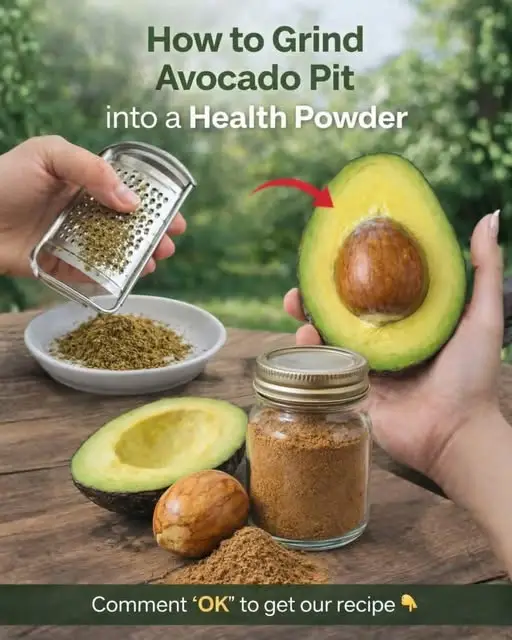
Avocado pits—also called avocado seeds—are often tossed into the trash without a second thought. Yet they make up roughly 15–20% of the entire fruit and have sparked growing curiosity among health enthusiasts and sustainability advocates alike. While the creamy green flesh of an avocado is well known for its heart-healthy fats, the pit has a completely different composition and potential uses.
Interest in avocado pits has increased in recent years due to discussions around food waste reduction, plant-based nutrition, and functional foods. Some laboratory studies suggest that avocado seeds contain fiber and plant compounds with antioxidant properties. However, it’s essential to approach this topic with balance and realism. Most of the research has been conducted in laboratory or animal settings, not large human clinical trials. That means avocado pits should be viewed as an optional, cautious experiment—not a proven health solution.
In this guide, we’ll explore what avocado pits contain, what research suggests, how to prepare them properly, important safety considerations, and even some creative non-food uses.
What Are Avocado Pits Made Of?
Avocado pits differ significantly from the fruit’s flesh. While the green interior of an avocado is rich in monounsaturated fats, the pit contains very little fat. Instead, its composition includes:
- High amounts of dietary fiber (particularly insoluble fiber)
- Plant compounds such as polyphenols and flavonoids
- Small amounts of minerals like potassium and magnesium
- Tannins, which contribute to its bitter taste
Because of this composition, the seed is firm, dry, and extremely hard. It cannot be eaten raw and must be properly dried and ground before any culinary experimentation.
Potential Health-Supporting Properties
It’s important to emphasize that most findings about avocado pits come from laboratory or animal studies. Human research remains limited. Still, here’s what current science has explored so far.
Rich in Antioxidant Compounds
Oxidative stress occurs when free radicals outnumber antioxidants in the body. Over time, this imbalance may contribute to cellular damage and aging. Laboratory research suggests avocado seed extracts may contain concentrated antioxidant compounds such as catechins and procyanidins.
Interestingly, some studies have found that the antioxidant levels in avocado seed extracts can be higher than those in the fruit’s flesh. However, these studies typically use concentrated extracts—not the small amounts someone might sprinkle into a smoothie.
Because of the bitter flavor and lack of human trials, people who experiment with avocado seed powder usually use only a tiny pinch mixed into drinks or soups.
May Support Heart-Conscious Eating Patterns
Fiber and polyphenols are often associated with heart-friendly dietary patterns. Animal research published in scientific journals has observed changes in cholesterol markers when avocado seed extracts were studied.
However, organizations like the American Heart Association consistently emphasize proven heart-healthy habits: eating fruits, vegetables, whole grains, legumes, and healthy fats. Avocado pits should never replace these established dietary guidelines.
At best, they might be considered a supplemental experiment—not a primary health strategy.
Supports Digestive Regularity Through Fiber
Avocado pits are particularly high in insoluble fiber. Insoluble fiber adds bulk to stool and may support regular digestion when consumed gradually.
Because the pit is so dense, proper preparation is essential. A gentle starting amount is about ⅛ to ¼ teaspoon of finely ground powder mixed into soups or smoothies. Increasing fiber intake too quickly can lead to bloating or stomach discomfort, so gradual introduction is key.
Hydration also matters. When increasing fiber, drinking enough water helps support comfortable digestion.
Studied for Antimicrobial Activity (Laboratory Research Only)
Some laboratory experiments, including research published in journals such as the Journal of Food Science and Technology, have observed antimicrobial activity in avocado seed extracts under controlled conditions.
This does not mean avocado pits prevent infections in humans. Laboratory results often differ significantly from real-world use. Still, these findings may explain why certain traditional cultures in Central and South America historically incorporated avocado seeds into small wellness practices.
Creative Non-Food Uses for Avocado Pits
Even if you decide not to consume avocado pits, they can still serve practical and sustainable purposes.
Natural Fabric Dye
When boiled in water, avocado pits release a soft pink or rose-colored pigment. This natural dye works beautifully on cotton and other natural fabrics. It’s a popular project among eco-conscious crafters.
DIY Exfoliating Scrub
Finely ground avocado pit powder can be mixed with natural oils to create a gentle exfoliating scrub. This should only be used occasionally and carefully, as the texture can be abrasive.
Craft and Art Projects
Avocado pits can be carved, painted, or used to create natural color pigments for handmade paper and craft projects.
Repurposing the pit reduces food waste and supports more mindful consumption.
How to Prepare Avocado Pits Safely
If you choose to experiment with avocado pit powder, preparation matters.
Clean Thoroughly
Remove all fruit flesh from the pit. Rinse under warm water and gently scrub away residue.
Dry Completely
Allow the pit to air-dry for several days, or place it in a low-temperature oven (about 120°C or 250°F) for 1–2 hours. The pit should become completely dry and easier to break apart.
Chop Before Grinding
Because the pit is extremely hard, carefully cut it into smaller pieces before placing it in a strong blender or spice grinder.
Grind Finely
Grind until the texture becomes a very fine powder. Larger chunks may be unpleasant to consume and difficult to digest.
Store Properly
Keep the powder in an airtight container away from moisture and direct heat. Use sparingly.
Important Safety Considerations
Before experimenting, it’s essential to understand potential risks.
- Avocado pits contain tannins, which contribute to bitterness and may cause digestive discomfort in some individuals.
- Animal research has identified compounds like persin that may be harmful in large quantities.
- There is no established safe dosage for regular human consumption.
Who Should Avoid Avocado Pits?
- Pregnant or breastfeeding individuals
- Anyone with an avocado allergy
- People taking medications that may interact with polyphenols (such as certain blood thinners)
Institutions such as the National Institutes of Health highlight that human clinical trials on avocado pits are still limited. Until more research is available, moderation and caution are essential.
What Research Still Needs to Discover
Scientists are currently exploring avocado pits not just for nutrition, but for other applications such as:
- Functional food ingredients
- Cosmetic formulations
- Biodegradable materials
- Natural preservatives
The growing interest reflects a broader shift toward sustainability and full-food utilization. However, until comprehensive human studies are conducted, avocado pits should not be considered a routine dietary supplement.
The Sustainability Perspective
Perhaps the most meaningful takeaway about avocado pits is environmental rather than nutritional. Using parts of food that are usually discarded encourages mindful consumption and waste reduction.
Sustainable living often begins with small shifts in habits—like composting food scraps or repurposing natural materials. Whether you experiment with tiny amounts of powder or use the pit for crafts, the act of reducing waste itself can be beneficial.
Sometimes smarter habits matter more than chasing new superfoods.
Tips for Experimenting Safely
Start with extremely small amounts—no more than ⅛ teaspoon at first.
Mix into strongly flavored foods like smoothies or soups to mask bitterness.
Never eat raw or unground avocado pits.
Avoid daily use. Consider it an occasional experiment rather than a staple.
Stop immediately if you experience digestive discomfort.
Consult a healthcare professional if you have underlying medical conditions or take medications.
Frequently Asked Questions
Can avocado pits be eaten raw?
No. They are extremely hard and difficult to digest. They must always be dried and finely ground before any use.
How much avocado pit powder is considered safe?
There is no official dosage established by major health authorities. Most informal sources suggest no more than about ¼ teaspoon occasionally.
Do avocado pits taste good?
They have a bitter, earthy flavor due to tannins. Most people mix very small amounts into smoothies, tea, or soups to reduce the bitterness.
Are avocado pits better than the flesh?
No. The flesh of the avocado is well-studied and rich in healthy fats and nutrients. The pit remains largely experimental.
Can children consume avocado pit powder?
Because research is limited, it is generally not recommended for children.
Is it necessary to use avocado pits for health?
No. A balanced diet rich in fruits, vegetables, whole grains, and legumes already provides proven nutritional benefits.
Final Thoughts
Avocado pits are an intriguing example of how overlooked parts of food can be reused creatively. Laboratory studies suggest they contain fiber and antioxidant compounds, but strong human evidence is still lacking. That means avocado pits should be approached with caution, proper preparation, and realistic expectations.