
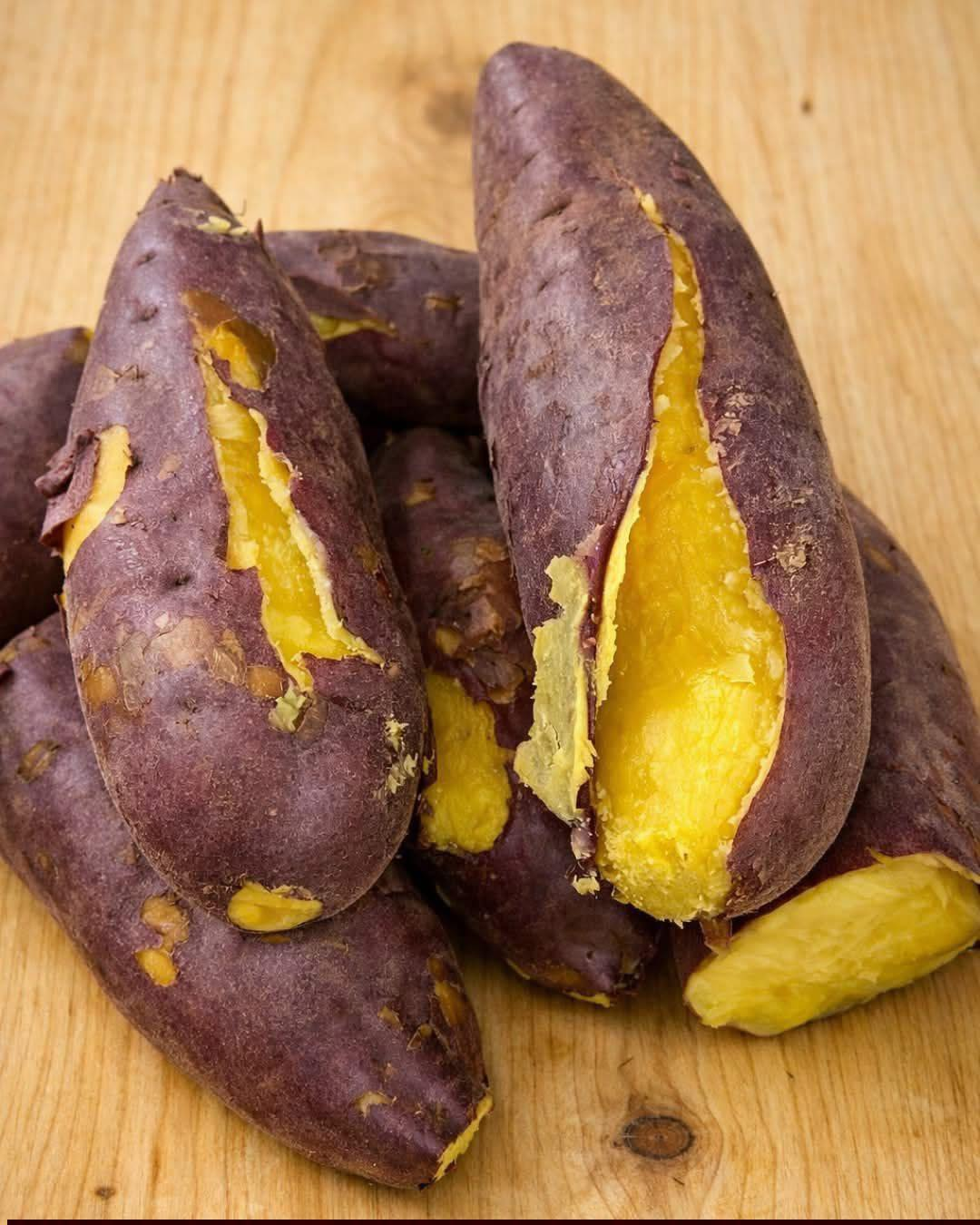
Sweet potatoes are often crowned as a nutritional hero. You’ll see them recommended in clean-eating plans, fitness diets, and wellness blogs alike. They’re colorful, naturally sweet, and packed with nutrients that support overall health. But here’s the part many people don’t hear enough: sweet potatoes are healthy, but they don’t work the same way for everyone.
How your body responds depends on several factors—how they’re cooked, how much you eat, how often you eat them, and your personal health situation. Understanding these details can help you enjoy sweet potatoes without unintended downsides.
Let’s break it all down so you can make smarter, more personalized choices.
Why Sweet Potatoes Are So Popular
Sweet potatoes are rich in complex carbohydrates, fiber, and several important vitamins and minerals. They’re naturally sweet without added sugar and feel satisfying, which makes them appealing for people trying to eat more whole foods.
Common benefits include:
- Long-lasting energy
- Support for digestion
- High antioxidant content
- Naturally gluten-free
- Versatile in both sweet and savory dishes
However, no single food—no matter how nutritious—fits every body or every lifestyle perfectly.
Sweet Potatoes vs. Yams: Not the Same Thing
Many people use the words “sweet potato” and “yam” interchangeably, but they’re actually different foods.
True Yams
- Native to Africa and Asia
- Starchier and drier
- Less sweet
- Rare in most Western grocery stores
Sweet Potatoes
- Soft texture when cooked
- Naturally sweet
- Rich in beta-carotene
- Commonly sold as “yams” in supermarkets (mislabeling)
Why This Matters
Different starch structures affect digestion and blood sugar response. Knowing what you’re actually eating helps you choose the right cooking method and portion size.
Cooking Methods Change How Your Body Reacts
Sweet potatoes are carbohydrate-rich, and how you cook them can significantly affect blood sugar levels.
Lower Glycemic Options
- Boiled
- Steamed
- Lightly sautéed and cooled (increases resistant starch)
Higher Glycemic Options
- Baked
- Roasted
- Mashed
Mashed or heavily roasted sweet potatoes break down faster during digestion, which can lead to quicker blood sugar spikes—especially when eaten alone.
Smart Pairing Tip
Pair sweet potatoes with:
- Protein (eggs, chicken, fish)
- Healthy fats (olive oil, avocado)
- Fiber-rich vegetables
This slows digestion and helps stabilize blood sugar.
Extremely High in Beta-Carotene
Sweet potatoes are one of the richest natural sources of beta-carotene, which your body converts into vitamin A.
Vitamin A Supports:
- Eye health
- Immune function
- Skin integrity
- Cell growth
Can You Have Too Much?
Vitamin A toxicity from plant foods is very rare. However, eating very large amounts daily for long periods may cause carotenemia, a harmless condition where the skin develops a yellow-orange tint.
This is not dangerous, but it’s a reminder that dietary variety matters.
Healthy, But Not Automatically Weight-Loss Friendly
A medium sweet potato contains approximately:
- 100–120 calories
- 20–25 grams of carbohydrates
These are nutritious carbohydrates—but calories and carbs still count.
When Sweet Potatoes May Slow Weight Loss
- Large portions eaten daily
- Combined with high-calorie toppings
- Eaten late at night without balance
- Included in already carb-heavy diets
They’re not fattening by default, but portion control matters—especially if weight loss is your goal.
Digestive Sensitivity in Some People
Sweet potatoes contain fiber and resistant starch, which are great for gut health—for most people.
However, some individuals may experience:
- Bloating
- Gas
- Mild abdominal discomfort
This is more common in people with sensitive digestion or IBS.
Improving Tolerance
- Cook them thoroughly
- Start with smaller portions
- Avoid eating them cold at first
- Combine with protein or fats
The Skin: Nutritious but Needs Attention
Sweet potato skin contains fiber and antioxidants, but it can also hold:
- Dirt
- Bacteria
- Pesticide residue
Best Practices
- Scrub thoroughly under running water
- Choose organic when possible
- Peel if quality is uncertain or digestion is sensitive
Eating the skin is optional—not mandatory for health.
Thyroid Considerations
Unlike cruciferous vegetables, sweet potatoes are not a major source of goitrogens.
For most people, they pose no thyroid concern.
However, individuals with thyroid conditions should:
- Maintain balanced iodine intake
- Avoid extreme dietary patterns
- Focus on overall diet balance
Sweet potatoes are generally safe in moderation.
Headaches and Individual Sensitivities
Sweet potatoes are not a common migraine trigger, but food sensitivities are highly individual.
If you notice:
- Headaches after eating them
- Pressure or fatigue
- Digestive discomfort followed by headaches
It’s worth tracking your intake and experimenting with portion size or preparation style.
Oxalates and Kidney Stone Risk
Sweet potatoes contain oxalates—natural compounds that may contribute to kidney stones in susceptible individuals.
If You’re Prone to Stones:
- Keep portions moderate
- Drink plenty of water
- Balance with calcium-rich foods
- Avoid eating them daily without variety
For most people, this is not an issue.
Naturally High in Potassium
Potassium supports:
- Heart rhythm
- Muscle contraction
- Blood pressure regulation
Sweet potatoes are potassium-rich, which is beneficial for most people.
Who Should Be Cautious?
- Individuals with kidney disease
- People on potassium-restricted diets
Always follow medical guidance if potassium intake is a concern.
Storage Changes Flavor and Sugar Content
As sweet potatoes age, starch converts into sugar.
This means:
- Older sweet potatoes taste sweeter
- Slightly higher glycemic effect
- Softer texture when cooked
Cool, dry storage helps slow this process.
Different Varieties Offer Different Benefits
Not all sweet potatoes are nutritionally identical.
Orange Sweet Potatoes
- High in beta-carotene
- Support eye and immune health
Purple Sweet Potatoes
- Rich in anthocyanins
- Strong antioxidant properties
White Sweet Potatoes
- Milder flavor
- Sometimes lower glycemic response
Rotating varieties increases nutrient diversity.
Healthy — But Not a Daily Staple for Everyone
Sweet potatoes are:
✔ Nutritious
✔ Fiber-rich
✔ Naturally satisfying
But ideal intake depends on:
- Metabolism
- Activity level
- Digestive health
- Medical conditions
- Overall diet balance
For some people, they’re perfect several times a week. For others, moderation works better.
Practical Tips for Eating Sweet Potatoes Wisely
- Keep portions moderate (½–1 medium potato)
- Choose boiling or steaming over roasting if blood sugar matters
- Pair with protein and fat
- Rotate varieties
- Avoid eating them alone every day
- Listen to your body’s response
Frequently Asked Questions
Are sweet potatoes healthier than regular potatoes?
Both are nutritious. Sweet potatoes are higher in beta-carotene, while white potatoes provide more potassium and resistant starch when cooled.
Can I eat sweet potatoes every day?
Some people can without issues, but daily intake isn’t ideal for everyone. Variety is key.
Are sweet potatoes good for diabetics?
They can be, when portion-controlled, cooked properly, and paired with protein and fat.
Do sweet potatoes cause weight gain?
Only when eaten in excess or combined with high-calorie toppings. Moderation matters.
Is sweet potato skin safe to eat?
Yes, if thoroughly cleaned and well-cooked.