
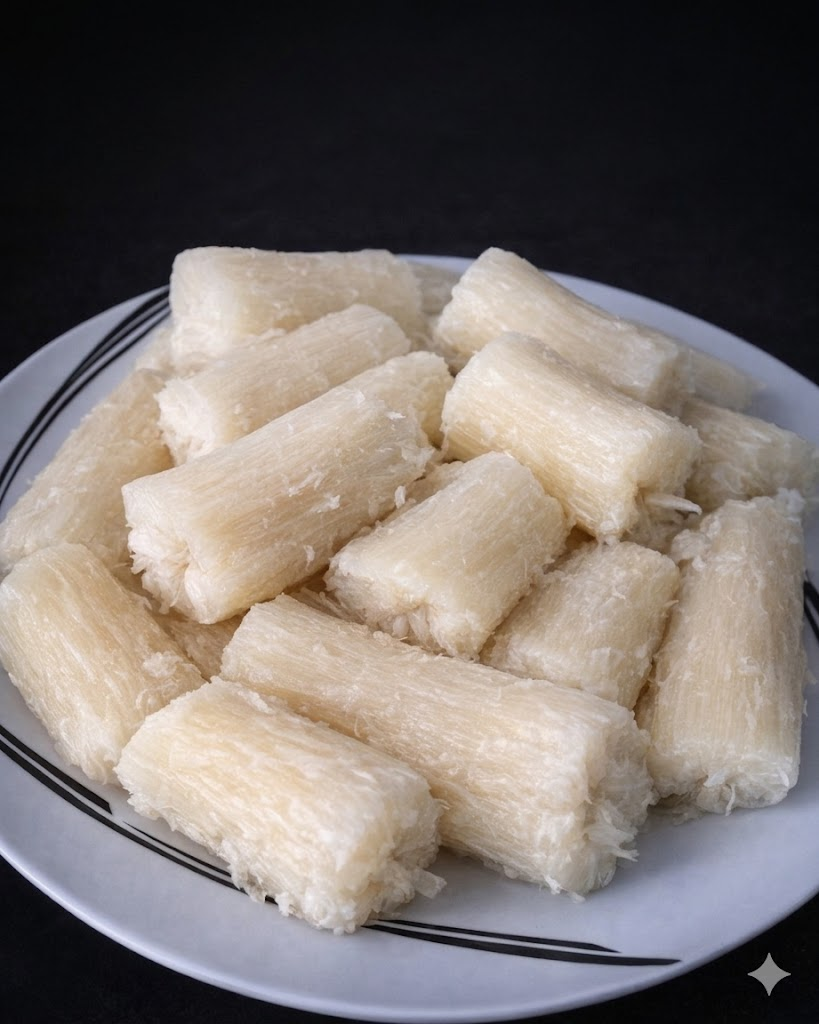
Cassava is one of the most widely consumed root vegetables in the world. From Africa to Asia to Latin America, millions of people rely on it daily for energy and nourishment. Yet recently, headlines like “Doctor reveals what eating cassava causes” have sparked concern and confusion.
So what’s the real story? Is cassava dangerous—or is it simply misunderstood?
The truth sits somewhere in the middle. Cassava is both highly beneficial and potentially risky, depending on how it’s prepared and consumed. In this complete guide, you’ll learn exactly what cassava does to your body, its proven benefits, possible risks, and how to eat it safely.
What Is Cassava and Why Is It So Popular?
Cassava, also known as yuca or manioc, is a starchy root vegetable rich in carbohydrates. It grows in tropical climates and is valued for its ability to thrive even in poor soil conditions.
Because it is affordable, filling, and versatile, cassava has become a dietary staple in many regions.
Common Forms of Cassava
- Boiled cassava root
- Fried cassava (chips or fries)
- Cassava flour (gluten-free baking)
- Tapioca (used in desserts and drinks)
Its mild flavor and adaptability make it easy to include in both savory and sweet dishes.
Nutritional Profile of Cassava
Cassava is primarily known for its energy content, but it also contains small amounts of important nutrients.
Key Nutrients
- Carbohydrates (main energy source)
- Vitamin C
- Fiber (in whole root form)
- Small amounts of potassium and magnesium
While it is not a complete food on its own, it plays an important role when combined with a balanced diet.
Health Benefits of Eating Cassava
Before focusing on risks, it’s important to understand why cassava is so widely consumed and valued.
Excellent Source of Energy
Cassava is rich in complex carbohydrates, making it an ideal fuel source for daily activities. It’s especially useful for people with physically demanding lifestyles.
Naturally Gluten-Free
Cassava flour is a popular alternative for those avoiding gluten. It’s widely used in baking and cooking for people with gluten sensitivity.
Supports Immune Function
The vitamin C content in cassava helps support immune health and contributes to skin maintenance.
Easy to Digest (When Cooked Properly)
When prepared correctly, cassava can be gentle on the digestive system and provide sustained energy.
Versatile in Cooking
Cassava can be boiled, mashed, fried, or ground into flour, making it suitable for many recipes.
The Hidden Risk: Natural Cyanide Compounds
Now let’s address the concern behind those viral headlines.
Cassava naturally contains compounds called cyanogenic glycosides. When consumed improperly, these compounds can release cyanide in the body.
Does This Make Cassava Dangerous?
Not necessarily.
The key factor is preparation.
When cassava is peeled, soaked, and cooked properly, these compounds are significantly reduced, making it safe to eat.
However, problems can occur if cassava is consumed incorrectly.
What Eating Cassava Can Cause (If Improperly Prepared)
Understanding the risks helps you avoid them completely.
Cyanide Exposure (Rare but Serious)
Eating raw or undercooked cassava can lead to cyanide exposure. Symptoms may include:
- Headache
- Dizziness
- Nausea
- Weakness
Severe cases are rare but can be dangerous.
Thyroid Function Interference
Certain compounds in cassava may affect iodine absorption, which can impact thyroid health—especially in diets already low in iodine.
Nutritional Imbalance
Cassava is low in protein and some essential nutrients. Relying heavily on it without variety can lead to deficiencies over time.
Digestive Discomfort
Improperly prepared cassava may cause stomach discomfort or irritation.
When Cassava Is Safe to Eat
The good news is that cassava is safe for most people when prepared correctly.
Safe Preparation Steps
Peel Thoroughly
Always remove the outer skin completely, as it contains higher concentrations of harmful compounds.
Soak When Needed
Some varieties (especially bitter cassava) benefit from soaking before cooking.
Cook Properly
Boiling, steaming, or frying helps eliminate harmful substances.
Never Eat Raw Cassava
Raw cassava should always be avoided.
When these steps are followed, cassava becomes a safe and nutritious food enjoyed by billions worldwide.
How to Prepare Cassava at Home (Simple Method)
Ingredients
- Fresh cassava root
- Water
- Salt (optional)
Step-by-Step Instructions
Prepare the Root
Peel the cassava and cut it into manageable chunks. Remove the tough inner core if present.
Rinse Thoroughly
Wash the pieces well under running water.
Boil Until Tender
Place cassava in a pot of water and boil for 20–30 minutes until soft.
Drain and Serve
Drain the water and season lightly if desired.
You can enjoy it as-is or use it in other recipes like fries or mash.
Who Should Be More Careful with Cassava?
While cassava is generally safe, some people should pay extra attention.
Frequent Consumers
If you eat cassava daily, ensure your diet includes enough protein and variety.
People with Thyroid Issues
Consult a healthcare provider if you have thyroid concerns.
Those with Limited Diet Variety
A diet heavily based on cassava alone may lack essential nutrients.
Tips for Eating Cassava Safely
Always Cook It Well
Proper cooking is the most important step.
Combine with Protein
Pair cassava with foods like eggs, beans, or meat for balanced nutrition.
Avoid Overconsumption
Moderation helps prevent potential issues.
Choose Quality Sources
Fresh, properly stored cassava reduces risk.
Stay Hydrated
Water supports digestion and nutrient absorption.
FAQs
Is cassava poisonous?
Cassava contains natural compounds that can be harmful if eaten raw or improperly prepared. When cooked correctly, it is safe.
Can I eat cassava every day?
Yes, but it should be part of a balanced diet that includes protein, fruits, and vegetables.
What happens if you eat raw cassava?
Raw cassava can release toxic compounds and should never be consumed.
Is cassava healthier than potatoes?
Both have benefits. Cassava provides more carbohydrates, while potatoes offer more diverse nutrients.
Does cassava affect blood sugar?
Yes, it is high in carbohydrates and can raise blood sugar levels, so portion control is important.
Can cassava cause thyroid problems?
In large amounts and with poor diet balance, it may affect thyroid function, especially if iodine intake is low.
Final Thoughts
Cassava is neither a superfood nor a dangerous ingredient—it’s simply a powerful staple that needs to be used correctly.
When prepared properly, it provides energy, versatility, and nutritional value. When handled improperly, it can pose risks.
The takeaway is simple:
Cassava is safe, beneficial, and widely enjoyed—when you respect how it’s prepared and consumed.
By combining it with a balanced diet and following proper cooking methods, you can enjoy cassava confidently as part of a healthy lifestyle.