
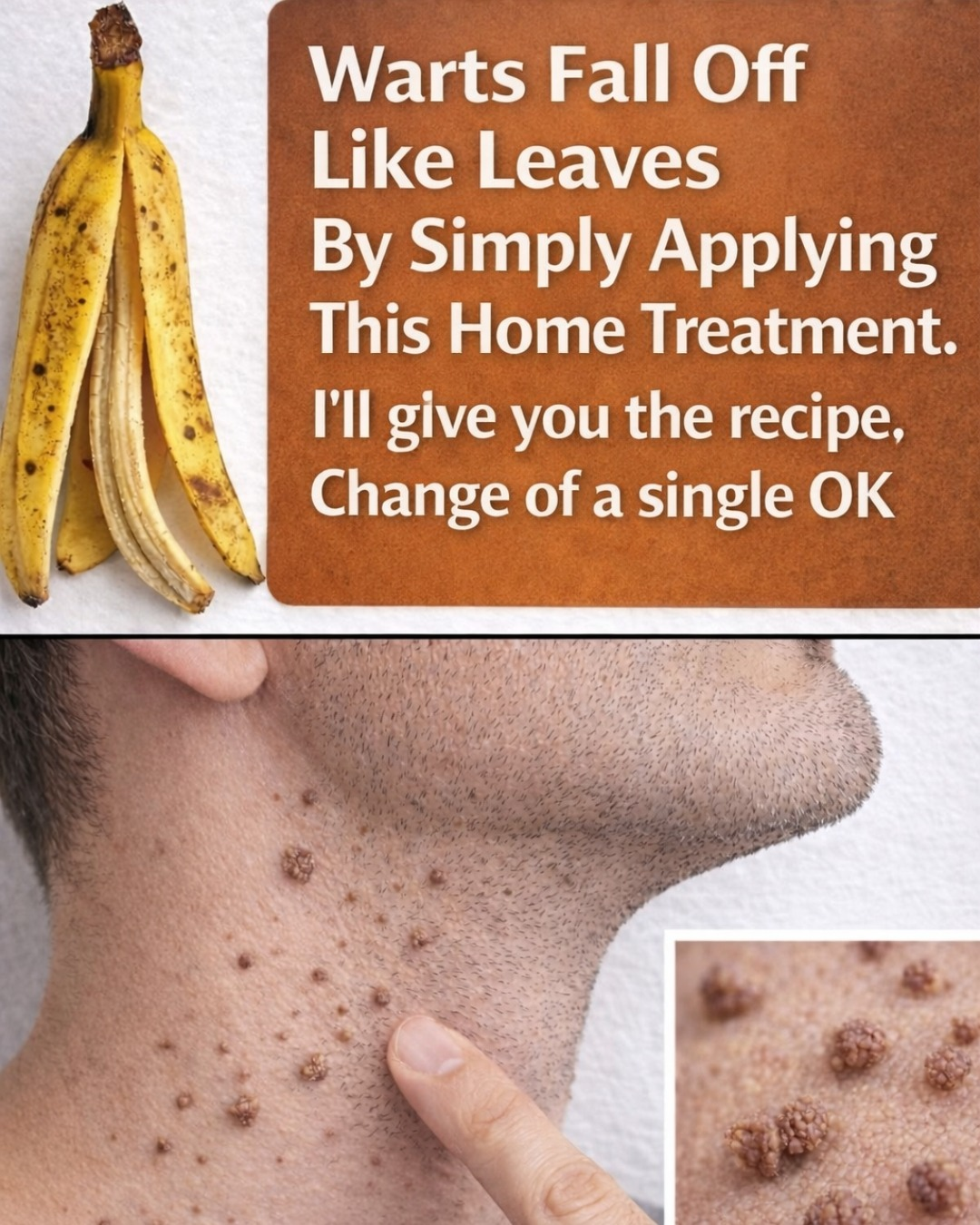
Warts are a common skin issue that can appear on the hands, feet, neck, fingers, or other areas of the body. While they’re usually harmless, they can be frustrating, stubborn, and sometimes embarrassing. Because of that, many people look for natural, affordable home remedies that are simple and gentle on the skin.
One of the most talked-about folk remedies online is using banana peel for warts. You may have seen bold claims that warts “fall off like leaves” after regular use. But how does this method supposedly work? Is it safe? And what should you realistically expect?
Let’s explore the facts in a clear and balanced way so you can decide whether this home approach is right for you.
What Are Warts?
Warts are small, rough skin growths caused by certain strains of the human papillomavirus (HPV). This virus infects the top layer of the skin and triggers rapid cell growth, which leads to the raised, bumpy texture we recognize as a wart.
Key Facts About Warts
- They are very common, especially in children and teenagers.
- They are usually harmless and non-cancerous.
- They can spread through direct skin contact.
- Some disappear on their own within months.
- Others may last for years if untreated.
There are different types of warts, including common warts (often on hands), plantar warts (on the soles of the feet), and flat warts (which are smaller and smoother). Medical treatments are available, such as freezing therapy, prescription solutions, or minor procedures. However, many people prefer trying mild home remedies first, particularly for small and painless warts.
Why Do People Use Banana Peel for Warts?
Banana peel has long been used in traditional home remedies for various minor skin concerns. While it is not a medically proven wart cure, several factors explain why people believe it may help.
Possible Reasons Behind the Remedy
- The inside of banana peel contains natural enzymes and mild acids that may help soften thickened skin.
- It has antioxidants that support overall skin health.
- The peel’s moisture may help prevent the area from becoming overly dry or irritated.
- Keeping the wart covered overnight may contribute to gradual softening of the outer layers.
It is important to understand that there is no strong scientific evidence confirming banana peel as an effective wart treatment. Many reported improvements may be due to the wart naturally resolving on its own, which happens frequently.
Still, because banana peel is inexpensive and generally low-risk, many people consider it worth trying before turning to stronger treatments.
How the Banana Peel Method Is Typically Used
If you’re curious about the method, here is the commonly shared approach.
Step-by-Step Method
- Cut a small piece of banana peel from a ripe banana.
- Place the inner white side directly against the wart.
- Secure it gently with medical tape or a bandage.
- Leave it on for several hours or overnight.
- Remove in the morning, wash the area, and repeat daily.
Consistency is essential. People who claim success usually report gradual changes over several weeks rather than immediate results.
There is no cutting, burning, or scraping involved. The method is meant to be gentle.
What Results Should You Realistically Expect?
It’s important to approach this remedy with realistic expectations.
Possible Outcomes
- The wart may slowly dry out.
- It might shrink gradually over time.
- There may be no visible change.
- The wart may disappear naturally regardless of treatment.
Claims of overnight success are not typical. Even conventional medical treatments often require multiple sessions. With natural remedies, patience is necessary.
In many cases, warts disappear because the immune system eventually recognizes and clears the virus. The banana peel may simply support that process—or the improvement may happen independently.
Is It Safe to Try?
For most people, applying banana peel to intact skin is low risk. However, there are important precautions to follow.
Safety Guidelines
- Only use this method on small, simple warts.
- Do not apply to open wounds, bleeding skin, or infected areas.
- Stop immediately if redness, itching, or irritation develops.
- Wash the area daily and keep it clean.
- Avoid sharing towels or touching the wart excessively to prevent spreading.
If you have sensitive skin or allergies to certain fruits, test a small patch of skin first before applying it overnight.
When Home Remedies May Not Be Enough
While home remedies can be reasonable for mild cases, there are situations where professional medical advice is important.
Seek Medical Attention If:
- The wart becomes painful.
- It grows rapidly or changes color.
- It bleeds or becomes inflamed.
- It spreads quickly to other areas.
- It appears on sensitive areas such as the face or genitals.
- You are unsure whether it is actually a wart.
Some skin growths can resemble warts but require different treatment. A healthcare professional can provide a proper diagnosis and recommend safe options.
Why Warts Sometimes Disappear on Their Own
One reason natural remedies seem effective is that warts often resolve without treatment. This happens because the immune system gradually recognizes the virus and eliminates it.
This process can take:
- A few months
- One to two years
- Longer in some cases
Because of this natural timeline, it can be difficult to determine whether a home remedy caused the improvement or whether the body resolved it independently.
Comparing Banana Peel to Medical Treatments
Understanding the difference between home remedies and medical treatments can help you make informed decisions.
Home Remedies
- Low cost
- Easy to try
- Minimal risk
- Slow results
- No guaranteed outcome
Medical Treatments
- Faster results in many cases
- Clinically tested
- May cause temporary discomfort
- Higher cost
- Require professional supervision
Neither approach is automatically “better.” The right choice depends on the wart’s size, location, discomfort level, and how long it has been present.
Additional Natural Approaches People Try
While banana peel is popular, other home methods are often discussed. These include:
- Apple cider vinegar (used cautiously due to skin irritation risk)
- Duct tape occlusion method
- Garlic paste
- Tea tree oil
Each carries varying levels of evidence and potential skin irritation. If experimenting with natural approaches, always prioritize skin safety and stop if irritation occurs.
The Importance of Patience and Hygiene
If you choose to try banana peel, remember:
- Wash your hands before and after touching the wart.
- Avoid picking or scratching it.
- Keep the area dry during the day.
- Be patient and monitor changes weekly.
Rushing the process or using harsh methods alongside banana peel can damage healthy skin and increase infection risk.
Tips for Trying Banana Peel Safely
- Use fresh peel daily rather than reusing old pieces.
- Cut the peel slightly larger than the wart to ensure coverage.
- Avoid wrapping too tightly, which can restrict circulation.
- Keep a simple progress photo every week to monitor change objectively.
- Discontinue use if there’s no change after several weeks.
Gentle consistency works better than aggressive treatment.
FAQs
Does banana peel actually remove warts?
There is no strong scientific evidence proving that banana peel removes warts. Some people report gradual improvement, but many warts resolve naturally over time.
How long should I try this method?
If you decide to try it, limit the trial to a few weeks. If there is no improvement or the wart worsens, consider consulting a healthcare professional.
Can banana peel cause skin irritation?
It is uncommon, but mild irritation is possible. If redness, itching, or discomfort occurs, stop using it.
Is this safe for children?
Because it is gentle, some parents choose this method for children’s small warts. However, if the wart spreads or becomes painful, medical advice is recommended.
Can I use green banana peel instead of ripe?
Most recommendations suggest ripe banana peel because it is softer and more moist, which may be more comfortable on the skin.
Why do some people say their wart “fell off”?
Warts sometimes dry out and detach as the immune system clears the virus. This can happen naturally, even without treatment.
Can I use this on plantar warts?
Plantar warts are often thicker and more stubborn. Home remedies may be less effective for them, and professional treatment is sometimes more reliable.
Is it possible that covering the wart alone helps?
Yes. Some believe that keeping the wart covered (similar to the duct tape method) may gradually soften the skin and stimulate immune response.
Final Thoughts
Using banana peel for warts is a widely shared home remedy that many people find appealing because it is simple, affordable, and generally safe. While it is not a medically proven cure, it may offer a gentle approach for small, uncomplicated warts.
However, it’s important to keep expectations realistic. Results, if they occur, are usually slow and gradual. In many cases, the wart may have disappeared on its own.
Your skin’s health should always come first. If a wart changes, spreads, becomes painful, or simply doesn’t improve, seeking professional medical advice is the safest and smartest decision.