
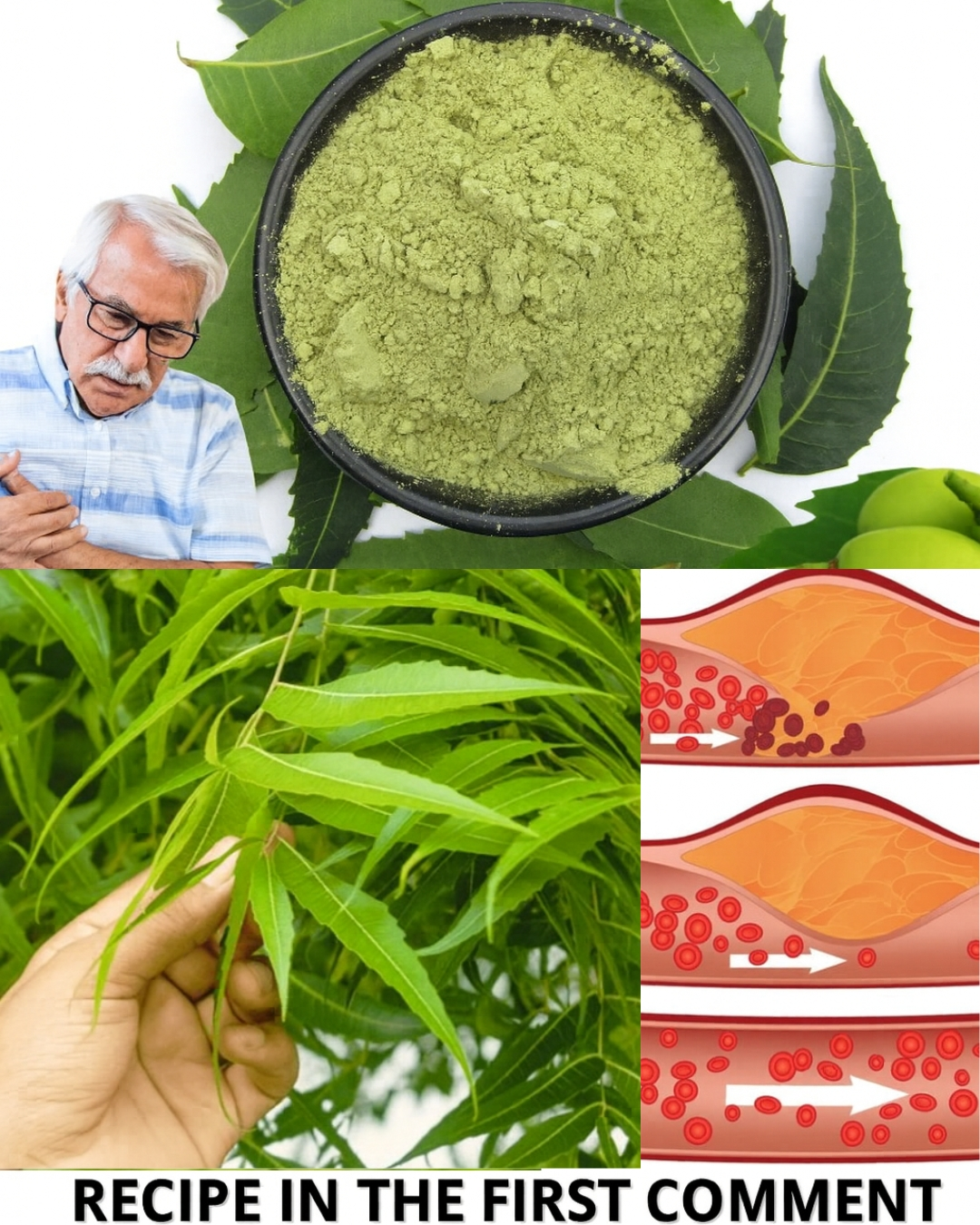
In many parts of the world, natural plants have been used for centuries to support health and wellness. Long before modern supplements and medications became widely available, people relied on herbs, leaves, and roots to maintain balance in the body. Among these powerful plants, one leaf has stood out for generations because of its wide range of traditional uses. That leaf is neem.
Neem is a tree native to South Asia, especially India, and it has earned a strong reputation in traditional medicine systems. The leaves, bark, seeds, and oil of the neem tree have all been used in different remedies. However, neem leaves are particularly valued because they are easy to prepare and contain beneficial plant compounds that may support overall wellness.
Many people today are searching for natural ways to support blood sugar balance, improve circulation, reduce inflammation, and maintain heart health. While neem is not a cure for medical conditions, it has been studied for its antioxidant and anti-inflammatory properties. When used responsibly, neem leaf tea can be a simple addition to a wellness routine.
In this guide, you will learn what makes neem so unique, its potential benefits, how to prepare neem leaf tea at home, and tips for using it safely.
What Makes Neem So Powerful
Neem, scientifically known as Azadirachta indica, is often referred to as a medicinal tree because nearly every part of the plant has been used in traditional remedies.
Neem leaves contain several natural compounds including flavonoids, polyphenols, and antioxidants. These compounds may help protect cells from oxidative stress and support the body’s natural defenses.
In traditional herbal practices, neem leaves have been used to support digestion, maintain healthy skin, and promote immune balance. The leaves are also known for their strong antimicrobial and anti-inflammatory properties.
What makes neem especially interesting is its versatility. It can be consumed as a tea, applied as a paste to the skin, or used in herbal preparations. This flexibility has made neem a staple ingredient in many natural health traditions.
Traditional Uses of Neem Leaves
Neem has been valued in traditional medicine systems such as Ayurveda for thousands of years. In these systems, neem was often described as a plant that helps cleanse and balance the body.
Historically, neem leaves were used for:
Supporting digestion
Promoting skin health
Helping maintain balanced blood sugar
Supporting immune health
Encouraging healthy circulation
While traditional uses are not the same as scientific proof, modern research has begun exploring many of these historical claims.
Potential Health Benefits of Neem Leaves
Neem leaves contain natural compounds that may support several areas of health when used responsibly.
May Help Support Blood Sugar Balance
Some studies suggest that neem leaves may influence how the body processes glucose. Traditional practitioners have used neem to support individuals trying to maintain stable blood sugar levels.
Although more research is needed, neem tea is sometimes included in wellness routines for people seeking natural support for metabolic health.
May Support Healthy Blood Pressure
Neem contains compounds that may help relax blood vessels. This process may support circulation and reduce strain on the cardiovascular system.
Maintaining healthy blood pressure is essential for long-term heart health, and natural lifestyle habits such as balanced nutrition and hydration play an important role.
May Reduce Inflammation
Inflammation is the body’s natural response to stress or injury. However, chronic inflammation can contribute to discomfort and health challenges.
Neem leaves contain anti-inflammatory compounds that may help support the body’s natural response to inflammation.
People who experience joint discomfort or muscle soreness sometimes use neem as part of herbal remedies for relief.
May Support Cholesterol Balance
Maintaining healthy cholesterol levels is important for cardiovascular wellness. Some research suggests that neem may influence lipid metabolism, helping maintain a healthier balance between LDL and HDL cholesterol.
While neem should not replace medical care, it may be part of a broader lifestyle approach to heart health.
May Promote Better Circulation
Good circulation helps deliver oxygen and nutrients throughout the body. Healthy blood flow also supports energy levels and muscle function.
Neem may help support circulation by promoting healthier blood vessel function.
People who experience tired legs or mild swelling sometimes look for natural methods to support circulation, including herbal drinks like neem tea.
Ingredients for Neem Leaf Tea
Preparing neem leaf tea is very simple and requires only a few ingredients.
A handful of fresh neem leaves
1 liter of water
Honey (optional for taste)
Because neem leaves have a naturally bitter taste, many people add a small amount of honey or lemon to make the drink easier to enjoy.
Kitchen Tools Needed
You only need a few basic tools to prepare this herbal drink.
Small cooking pot
Strainer or sieve
Knife or scissors for trimming leaves
Glass jar or teapot
These simple tools make preparation quick and convenient.
Step-by-Step Method to Prepare Neem Tea
Making neem tea at home requires only a few steps.
Step 1 Clean the Leaves
Rinse the neem leaves thoroughly under clean running water. This helps remove dust or impurities.
Step 2 Boil the Water
Pour one liter of water into a pot and bring it to a boil.
Step 3 Add the Neem Leaves
Once the water reaches a boil, add the washed neem leaves to the pot.
Step 4 Simmer the Mixture
Allow the leaves to simmer in the water for about 10 minutes. This helps release the plant compounds into the liquid.
Step 5 Let the Tea Steep
Turn off the heat and allow the mixture to steep for another 5 minutes.
Step 6 Strain the Liquid
Strain the tea into a cup or jar to remove the leaves.
Step 7 Add Honey if Desired
Because neem tea can taste bitter, you may add a small amount of honey to balance the flavor.
Drink the tea warm or allow it to cool slightly before enjoying.
Other Ways to Use Neem Leaves
Neem leaves are versatile and can be used in several ways beyond tea.
Neem Leaf Paste for Skin
Fresh neem leaves can be crushed into a paste and applied to the skin. This traditional remedy has been used for minor skin irritations, acne, or redness.
Neem Rinse for Hair
Some people boil neem leaves in water and use the cooled liquid as a scalp rinse. This may help support scalp health.
Herbal Bath
Neem leaf water can also be added to bath water for a soothing herbal soak.
Tips for Using Neem Safely
Use fresh, clean neem leaves whenever possible.
Start with small amounts to see how your body responds.
Because neem has a naturally bitter taste, adding honey or lemon may improve flavor.
Drink neem tea in moderation rather than excessive amounts.
Store prepared neem tea in the refrigerator if not consumed immediately.
Always consult a healthcare professional before using herbal remedies if you have medical conditions or take medications.
Frequently Asked Questions
What does neem tea taste like
Neem tea has a naturally bitter and earthy taste. Many people add honey or lemon to make the flavor milder.
Can I drink neem tea every day
Neem tea can be consumed occasionally as part of a balanced routine. However, moderation is important because neem is a potent herb.
Are fresh neem leaves better than dried ones
Fresh leaves usually contain more active plant compounds and provide stronger flavor.
Can neem leaves be used for skin care
Yes. Neem leaf paste is sometimes applied to the skin in traditional remedies to help with minor irritations or acne.
Is neem safe for everyone
Neem may not be suitable for everyone. Pregnant women, children, and people taking certain medications should consult a healthcare professional before using neem regularly.
How long can neem tea be stored
Neem tea is best consumed fresh, but it can be stored in the refrigerator for up to 24 hours.
Can I combine neem with other herbs
Some people mix neem with herbs like mint or ginger to balance the taste and add additional flavor.
Neem leaves have been valued in traditional medicine for centuries because of their versatility and potential health-supporting properties. While they should be used responsibly and not replace medical care, neem tea can be an interesting herbal addition to a healthy lifestyle. By preparing it carefully and consuming it in moderation, many people enjoy exploring the natural benefits this remarkable leaf has to offer.