
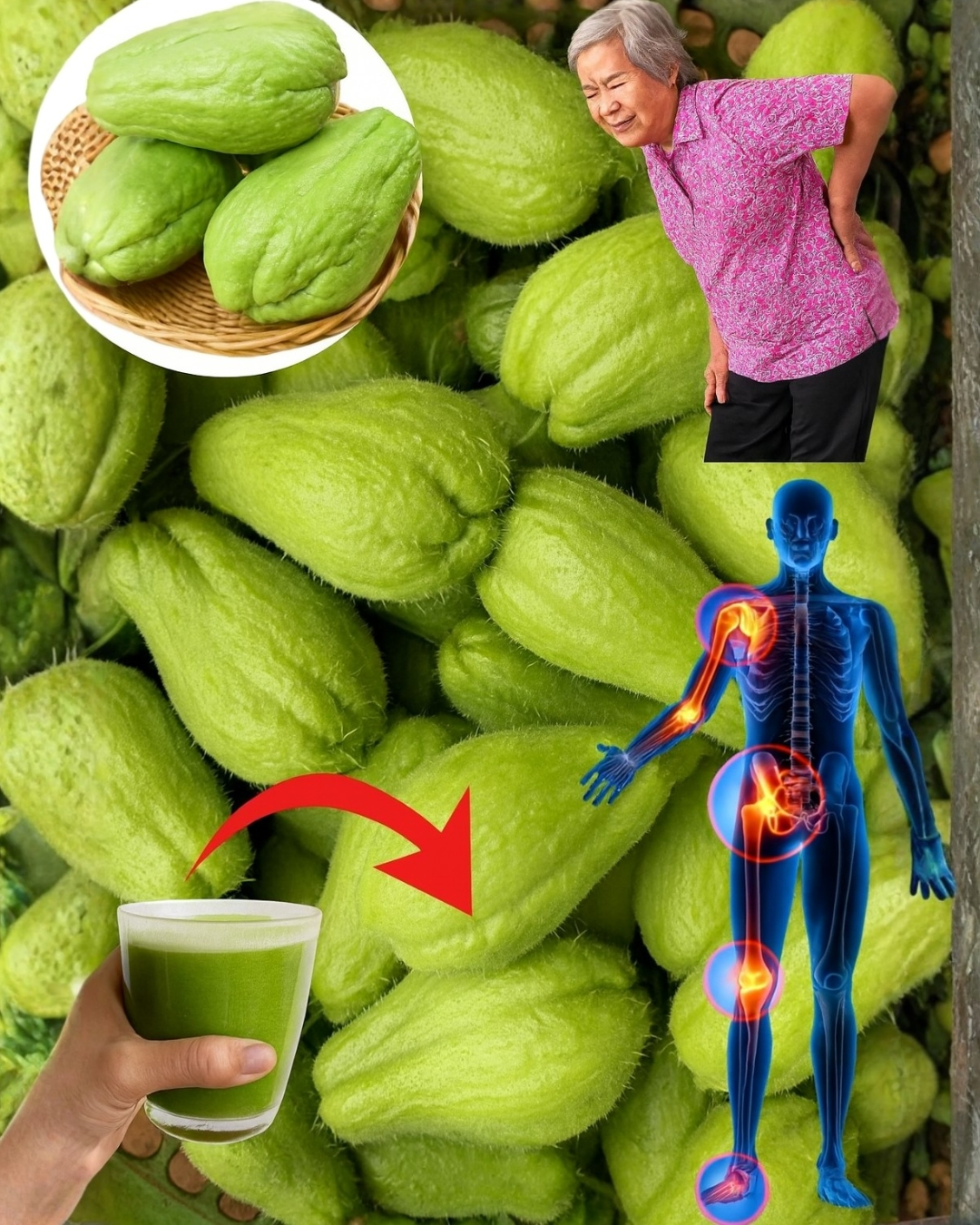
Chayote may not be the most famous vegetable in the produce aisle, yet it has been quietly nourishing people around the world for generations. This light green squash, sometimes called vegetable pear or mirliton, is widely used in Latin American, Asian, and Caribbean cooking. Its mild flavor, crisp texture, and impressive nutritional profile make it a versatile ingredient in both traditional and modern dishes.
Although it looks simple on the outside, chayote offers a variety of nutrients that can support overall wellness. It contains vitamin C, potassium, folate, fiber, and plant antioxidants that contribute to healthy digestion, circulation, and immune support. Because it is naturally low in calories and high in water content, it can be an excellent addition to balanced diets.
Another reason chayote has gained attention in health discussions is its gentle effect on the body. Unlike some vegetables that may cause digestive discomfort for certain people, chayote tends to be easy to digest and mild in flavor. This makes it suitable for a wide range of meals, from light salads to comforting soups and teas.
In this guide, you will discover what chayote is, why it is valued in traditional cuisines, its potential health benefits, and simple ways to include it in everyday meals. You will also learn how to prepare a soothing chayote tea and explore several creative cooking ideas.
What Is Chayote?
Chayote is a type of squash belonging to the gourd family. It grows on climbing vines and produces pear-shaped fruits with smooth, pale green skin.
Other Names for Chayote
Depending on the region, chayote may be known by several names, including:
Vegetable pear
Mirliton
Choko
Sechium edule
Despite the different names, they all refer to the same nutritious vegetable.
Flavor and Texture
Chayote has a mild, slightly sweet flavor that resembles a combination of cucumber and zucchini. When raw, it has a crisp texture. When cooked, it becomes soft and tender while maintaining its delicate flavor.
Because of its neutral taste, chayote easily absorbs seasonings and works well in both savory and light dishes.
Nutritional Value of Chayote
One reason chayote is often praised in health discussions is its impressive nutritional profile.
Vitamin C
Chayote contains vitamin C, which supports the immune system and helps the body produce collagen. Collagen plays an important role in maintaining healthy skin and connective tissues.
Potassium
Potassium helps regulate fluid balance and supports normal muscle and nerve function. It also contributes to healthy blood pressure levels.
Dietary Fiber
Fiber supports digestive health and promotes regular bowel movements. Including fiber-rich vegetables like chayote may help maintain a healthy digestive system.
Folate
Folate supports red blood cell formation and helps maintain energy levels. It is also important for overall cellular health.
Antioxidants
Chayote contains plant compounds such as flavonoids and antioxidants that help protect cells from oxidative stress.
Potential Health Benefits of Chayote
Eating a variety of vegetables contributes to overall health, and chayote can play a helpful role in that balanced approach.
Supports Joint Comfort
Vitamin C contributes to collagen production, which supports connective tissues around joints.
Healthy connective tissue helps maintain flexibility and mobility.
Helps Manage Fluid Balance
Because chayote contains potassium and a high water content, it may help the body maintain proper fluid balance.
Balanced fluids can support circulation and reduce feelings of swelling.
Promotes Digestive Health
The fiber in chayote helps maintain regular digestion and supports the health of beneficial gut bacteria.
Supports Heart Health
A diet rich in potassium and fiber may support healthy blood pressure and cardiovascular function.
Chayote provides these nutrients while remaining low in sodium.
Encourages Healthy Circulation
Folate and antioxidants contribute to healthy red blood cell production and circulation.
Good circulation supports energy and overall body function.
Hydrating and Light
Because chayote contains a large amount of water, it helps contribute to hydration while providing nutrients without excessive calories.
Chayote Tea for Daily Wellness
In several traditional cultures, chayote is sometimes used to prepare a simple herbal-style tea. This drink is mild and refreshing and can be enjoyed warm.
Ingredients
1 fresh chayote, washed
2 cups water
Optional: 1 slice lemon
Optional: 1 teaspoon honey
Preparation Steps
Wash the chayote thoroughly.
Slice the vegetable into thin pieces while leaving the skin on, as the skin contains nutrients.
Add the slices to a small saucepan with two cups of water.
Bring the mixture to a gentle simmer.
Allow it to cook over low heat for about 10 to 15 minutes.
Remove from heat and allow the liquid to cool slightly.
Strain the liquid into a cup.
Add lemon or honey if desired for flavor.
How to Enjoy
Drink the tea warm in the morning or evening. It has a mild, soothing taste that pairs well with light meals.
The cooked chayote slices can also be eaten as a soft vegetable snack.
Creative Ways to Cook Chayote
Chayote is extremely versatile in the kitchen. Its mild taste allows it to blend into many different dishes.
Fresh Salads
Thinly slice raw chayote and mix it with lemon juice, olive oil, herbs, and vegetables for a crisp salad.
Steamed or Boiled
Steaming or boiling chayote softens its texture and makes it easy to digest.
Stir-Fry Dishes
Chayote works well in stir-fries with garlic, onions, and spices. It absorbs flavors easily and adds texture to the dish.
Soups and Stews
Adding diced chayote to soups provides mild flavor and extra nutrients while thickening the broth slightly.
Roasted Chayote
Roasting slices with olive oil and herbs creates a warm and comforting side dish.
Tips for Choosing Fresh Chayote
Selecting good-quality produce ensures the best flavor and texture.
Choose chayote that is firm and bright green.
Avoid fruits with soft spots or deep wrinkles.
Smaller chayotes often have a more tender texture.
Store fresh chayote in the refrigerator for up to two weeks.
Wash thoroughly before slicing or cooking.
Tips for Getting the Most from Chayote
Use fresh chayote for the best flavor and nutrient content.
Pair chayote with herbs, garlic, or citrus to enhance its mild taste.
Combine it with other vegetables to create balanced meals.
Drink enough water daily to support digestion and hydration.
Add it gradually to your diet if you have never eaten it before.
Use the skin when possible, as it contains additional nutrients.
Experiment with different cooking methods to find your favorite preparation style.
Safety Considerations
Chayote is generally considered safe for most people when consumed as part of a balanced diet.
Introduce new foods gradually if you are not used to them.
People with specific dietary conditions should consult a healthcare professional before making significant changes to their diet.
Always wash fresh produce thoroughly before preparing it.
Remember that foods support health but do not replace professional medical care.
Frequently Asked Questions
What does chayote taste like?
Chayote has a mild flavor similar to cucumber or zucchini. Its neutral taste allows it to blend well with many seasonings.
Can chayote be eaten raw?
Yes. Chayote can be eaten raw in salads or sliced thinly as a crunchy vegetable snack.
Is chayote healthy?
Chayote contains vitamins, fiber, and antioxidants that contribute to a balanced and nutritious diet.
How is chayote usually cooked?
It can be boiled, steamed, sautéed, roasted, or added to soups and stews.
Can chayote help digestion?
Its fiber content supports digestive health and regular bowel movements.
How long does chayote last in the refrigerator?
When stored properly, fresh chayote can last up to two weeks in the refrigerator.
Can chayote be used in drinks or teas?
Yes. Some traditional recipes include chayote tea prepared by simmering slices in water.
Chayote is a humble vegetable that deserves more attention in modern kitchens. With its mild flavor, versatility, and valuable nutrients, it offers a simple way to add healthy variety to everyday meals. Whether enjoyed in salads, soups, stir-fries, or a comforting cup of chayote tea, this green squash can easily become a useful ingredient in a balanced lifestyle. By including chayote in your diet, you can explore a nutritious food that has been appreciated by many cultures for generations.