
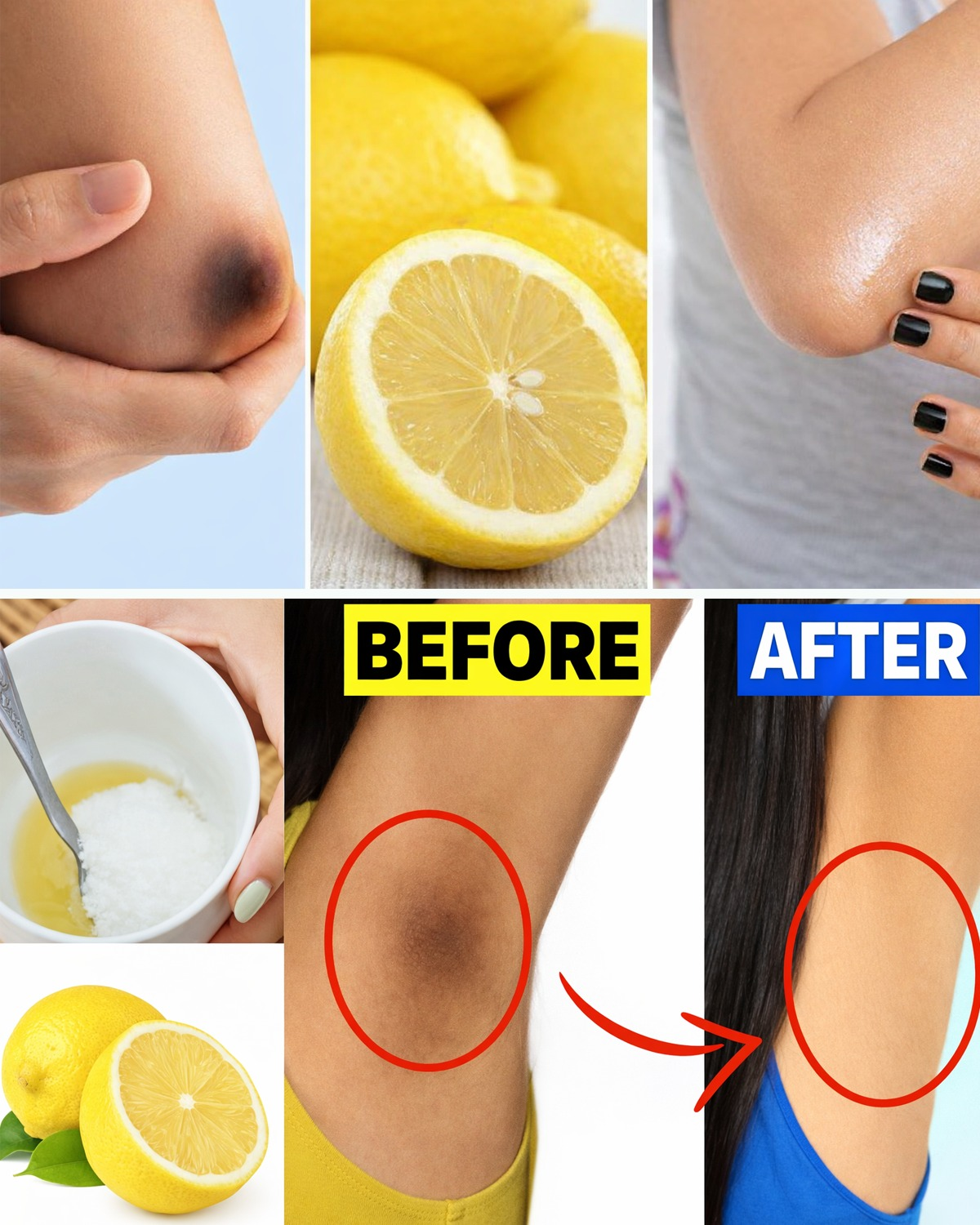
Dark underarms are more common than most people realize. In fact, dermatological overviews suggest that a significant percentage of individuals with risk factors such as obesity or insulin resistance may develop darkened patches in body folds, including the underarms. For many, this isn’t just a cosmetic concern—it affects confidence, clothing choices, and everyday comfort.
If you’ve ever hesitated to wear sleeveless tops or felt self-conscious raising your arms in public, you’re not alone. The good news is that dark underarms can often improve with gentle, consistent care and by addressing the root causes. This guide walks you through practical, evidence-informed home remedies and lifestyle adjustments that may help gradually brighten and smooth the underarm area—naturally and safely.
Why Do Underarms Become Dark?
Dark underarms, medically referred to as axillary hyperpigmentation, occur when excess melanin (skin pigment) builds up in the area. This can be triggered by irritation, friction, inflammation, or certain health conditions.
For many adults—especially after their 30s and 40s—changes in hormones, body weight, clothing habits, and grooming routines can all contribute. Tight fabrics rub against delicate skin. Frequent shaving causes micro-cuts and inflammation. Some deodorants disrupt the skin barrier. Over time, these small irritations signal the skin to produce more pigment as a protective response.
While frustrating, understanding the “why” behind the darkening makes it much easier to choose the right approach to improve it.
Common Triggers That Worsen Underarm Darkening
Friction from Clothing
Tight tops and synthetic workout fabrics can create repeated rubbing in the underarm area. This constant friction leads to inflammation, which can trigger post-inflammatory hyperpigmentation.
Switching to loose, breathable cotton clothing may reduce irritation and allow the skin to recover.
Frequent Shaving
Traditional razors can cause tiny cuts and inflammation. Repeated shaving without proper lubrication may worsen discoloration over time.
Electric trimmers or professional waxing (when done gently) can reduce skin trauma.
Deodorant and Antiperspirant Irritation
Some deodorants contain alcohol, synthetic fragrance, or harsh antiperspirant compounds. These ingredients may disrupt the skin barrier and cause irritation, leading to pigmentation.
Opting for fragrance-free, aluminum-free options can help reduce repeated inflammation.
Health-Related Causes to Be Aware Of
In some cases, dark underarms may be linked to underlying conditions such as insulin resistance, polycystic ovary syndrome (PCOS), obesity, or diabetes. A condition called acanthosis nigricans causes velvety, thickened, dark patches in body folds.
If darkening appears suddenly, spreads quickly, or is accompanied by thickened skin, it’s important to consult a healthcare professional for evaluation. Addressing the root cause often improves skin tone naturally over time.
12 Gentle Home Remedies to Support Brighter Underarms
Consistency is key. Most natural approaches require weeks or even months of regular care before visible improvement appears.
1. Gentle Exfoliation with Baking Soda
Baking soda provides mild physical exfoliation that can help remove dead skin buildup.
How to use:
- Mix 1–2 tablespoons of baking soda with enough water to form a paste.
- Massage gently into underarms for 1–2 minutes.
- Rinse thoroughly.
- Use 2–3 times weekly.
Avoid scrubbing aggressively, as irritation may worsen pigmentation.
2. Apple Cider Vinegar Toner
Diluted apple cider vinegar may help balance skin pH and reduce odor-causing bacteria.
How to use:
- Mix one part vinegar with two parts water.
- Apply with a cotton pad.
- Leave for 5–10 minutes, then rinse.
- Use 2–3 times per week.
Always patch test first.
3. Olive Oil and Sugar Scrub
Olive oil moisturizes while sugar gently exfoliates.
How to use:
- Combine equal parts sugar and olive oil.
- Massage lightly for 1–2 minutes.
- Rinse and moisturize.
- Use twice weekly.
4. Diluted Lemon Juice
Lemon contains citric acid, which may provide mild exfoliation.
How to use:
- Dilute lemon juice heavily (1 part lemon to 3 parts water).
- Apply for 5–10 minutes.
- Rinse thoroughly.
- Use sparingly, no more than once weekly.
Avoid sun exposure after use, as lemon can increase sensitivity.
5. Potato Juice Application
Potato juice contains natural enzymes that some believe support gentle brightening.
How to use:
- Grate a raw potato and extract the juice.
- Apply to underarms for 10–15 minutes.
- Rinse.
- Can be used daily if no irritation occurs.
6. Aloe Vera Gel
Pure aloe vera soothes irritation and supports skin healing.
How to use:
- Apply fresh aloe gel nightly.
- Leave on overnight.
- Rinse in the morning if desired.
7. Turmeric and Yogurt Mask
Turmeric has anti-inflammatory properties, while yogurt contains lactic acid for mild exfoliation.
How to use:
- Mix turmeric powder with plain yogurt.
- Apply for 10–15 minutes.
- Rinse thoroughly.
- Use twice weekly.
Be cautious, as turmeric can temporarily stain skin or clothing.
8. Cucumber Slices
Cucumber is hydrating and soothing.
How to use:
- Rub slices directly onto the underarm.
- Leave juice on for 10–15 minutes.
- Rinse.
9. Coconut Oil Massage
Coconut oil moisturizes and may reduce dryness-related darkening.
How to use:
- Massage a small amount nightly.
- Leave overnight.
10. Switch to Gentle Deodorants
Choosing fragrance-free, aluminum-free options may reduce irritation over time.
11. Consider Specialized Underarm Care Kits
Some commercial kits include ingredients like licorice extract or aloe. While results vary, gentler formulations may support gradual improvement.
12. Build a Consistent Routine
The most effective strategy is consistency:
- Gentle exfoliation 1–2 times weekly
- Daily moisturizing
- Avoid tight clothing
- Use non-irritating products
- Address lifestyle factors such as weight management and balanced nutrition
Building a Sustainable Routine
Improving underarm tone isn’t about quick fixes. It’s about reducing irritation, maintaining hydration, and supporting the skin barrier.
Imagine 30 to 60 days of consistent care:
- Softer texture
- Reduced roughness
- Gradual tone improvement
- Greater confidence in sleeveless outfits
The key is patience and gentle treatment.
Important Safety Considerations
Natural does not always mean risk-free. Always:
- Perform a patch test before trying any new remedy
- Stop immediately if redness, burning, or irritation occurs
- Avoid mixing multiple acidic treatments at once
- Consult a healthcare provider if discoloration is sudden or severe
Dark underarms can sometimes reflect internal health changes. If you suspect hormonal imbalance or insulin resistance, professional evaluation is important.
Practical Tips for Best Results
- Moisturize daily to support the skin barrier.
- Avoid harsh scrubbing.
- Choose breathable fabrics.
- Stay hydrated.
- Maintain a balanced diet.
- Consider switching to electric trimming instead of shaving.
- Be consistent—most improvements appear after several weeks.
Hydration and patience are often more powerful than aggressive treatments.
Frequently Asked Questions
1. How long does it take to lighten dark underarms naturally?
Most people notice gradual improvement within 4 to 8 weeks of consistent, gentle care. Results vary depending on the cause and skin type.
2. Are home remedies safe for sensitive skin?
Some remedies may irritate sensitive skin. Always patch test first and start with the gentlest options, such as aloe vera or cucumber.
3. Can dark underarms be permanent?
If caused by chronic friction or untreated health conditions, discoloration may persist. Addressing root causes often improves appearance over time.
4. Should I see a doctor for dark underarms?
Yes, especially if the darkening appears suddenly, spreads, or feels thick and velvety. A healthcare provider can rule out underlying conditions.
5. Is laser treatment necessary?
Laser and chemical treatments exist but are typically considered after trying conservative care. Consult a dermatologist for professional guidance.
6. Can deodorant alone cause dark underarms?
Irritating ingredients in some deodorants may contribute to pigmentation in sensitive individuals. Switching to gentle formulas can help reduce further irritation.
Final Thoughts
Dark underarms are common, manageable, and often reversible with patience and proper care. By reducing irritation, maintaining hydration, and addressing lifestyle factors, many people experience gradual, noticeable improvement.
This article is for informational purposes only and does not replace professional medical advice. Always consult a qualified healthcare provider before starting new treatments, especially if you have sensitive skin or underlying conditions.