
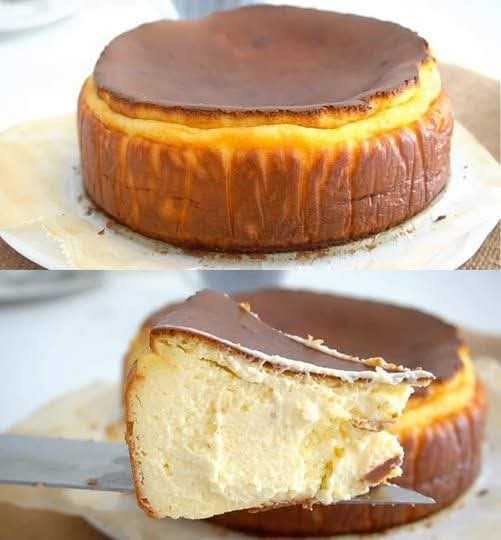
Some recipes surprise us not because they are complicated, but because they transform simple ingredients into something unexpectedly special. This creamy coconut and Parmesan cake is one of those recipes. At first glance, the combination of coconut and Parmesan cheese may seem unusual, yet once baked, the flavors come together in a harmonious way that is both comforting and memorable. The cake has a custard-like interior, a lightly golden top, and a soft texture that melts in the mouth as it cools.
This dessert sits beautifully between a traditional cake and a baked custard. It is rich without being heavy, sweet without being cloying, and deeply aromatic thanks to coconut milk and grated coconut. The Parmesan cheese adds a subtle savory note that enhances the sweetness rather than overpowering it, creating a balanced and sophisticated flavor profile.
In this article, you will find a complete exploration of this creamy coconut and Parmesan cake. From understanding the role of each ingredient to mastering the texture and baking process, this guide will help you achieve perfect results every time. You will also find tips, variations, serving ideas, and frequently asked questions to make this recipe truly foolproof.
Why This Cake Is So Special
This cake stands out because of its texture and flavor balance. Unlike traditional sponge cakes that rely heavily on flour and air incorporation, this recipe uses a blender and a liquid-forward batter. The result is a cake that bakes up creamy in the center and firms as it cools, almost like a cross between a cake and a pudding.
Another unique aspect is the blend of coconut and Parmesan cheese. Coconut milk and grated coconut bring natural sweetness, moisture, and aroma. Parmesan cheese, while typically associated with savory dishes, contributes saltiness and umami, enhancing the overall depth of flavor. Rather than tasting cheesy, the cake develops a rich, rounded taste that keeps people guessing what the secret ingredient might be.
This cake is also practical. The batter comes together quickly in a blender, making it ideal for busy days or when you want a reliable dessert without complicated techniques. It is perfect for afternoon coffee, family gatherings, potlucks, or as a comforting homemade treat.
Understanding the Ingredients
Eggs
Eggs are essential in this recipe because they provide structure and creaminess. With four eggs, the cake achieves a custard-like interior while still holding together once cooled. The eggs also help emulsify the fats and liquids when blended, creating a smooth and uniform batter.
Butter
Butter adds richness and flavor. When blended with the liquids, it helps create a soft crumb and contributes to the cake’s creamy mouthfeel. Using butter rather than oil also adds depth and a subtle dairy sweetness.
Coconut Milk
Coconut milk is one of the defining ingredients of this cake. It provides moisture, richness, and a pronounced coconut aroma. Because coconut milk contains natural fats, it contributes to the cake’s soft, almost pudding-like texture.
Regular Milk
The addition of regular milk balances the richness of the coconut milk. It lightens the batter slightly while maintaining creaminess. Together, the two types of milk create a smooth, pourable consistency that bakes evenly.
Sugar
Sugar sweetens the cake and helps with browning. The quantity used ensures the cake is sweet enough to complement the coconut and counterbalance the savory Parmesan without becoming overly sugary.
Parmesan Cheese
Parmesan cheese is the most unexpected ingredient in this recipe. Its role is not to make the cake savory, but to enhance flavor complexity. The saltiness of Parmesan contrasts beautifully with the sweetness of the batter, making the coconut flavor more pronounced. It also contributes to the creamy texture as it melts into the batter during baking.
Grated Coconut
Grated coconut adds texture and intensifies the coconut flavor. It also absorbs some of the liquid, helping the cake set properly while still remaining soft in the center.
Wheat Flour
Flour provides structure. Compared to traditional cakes, this recipe uses a relatively small amount of flour, which explains the cake’s creamy interior. The flour stabilizes the batter just enough to allow clean slicing once cooled.
Baking Powder
Baking powder gives the cake a gentle lift. It prevents the cake from becoming dense while maintaining its signature custard-like texture.
Step-by-Step Preparation Explained
Blending the Base
The recipe begins by placing eggs, butter, coconut milk, regular milk, sugar, Parmesan cheese, and grated coconut into a blender. Blending for about three minutes ensures that all ingredients are fully incorporated and smooth. This step replaces traditional creaming or mixing methods and guarantees a uniform batter.
The blending process also breaks down the grated coconut and Parmesan slightly, allowing them to distribute evenly throughout the cake. This is key to achieving consistent flavor and texture in every slice.
Adding Dry Ingredients
Once the base is smooth, the wheat flour and baking powder are added. Blending again ensures there are no lumps and that the baking powder is evenly distributed. The batter at this stage will be thin and pourable, which is exactly what you want.
Preparing the Pan
Greasing and flouring the baking mold is essential due to the cake’s creamy nature. A rectangular pudding mold works well, but other similarly sized pans can also be used. Proper preparation prevents sticking and helps the cake release cleanly once cooled.
Baking the Cake
The cake is baked in a preheated oven at 180°C (350°F) for approximately 40 minutes. During baking, the top will become lightly golden while the interior remains soft. A toothpick inserted into the center should come out mostly clean, though the center may still feel soft due to the creamy texture.
It is important to trust the process. This cake is designed to be soft in the middle when hot. As it cools, it will firm up and set properly.
Cooling and Serving
Allowing the cake to cool completely is crucial. Cooling allows the custard-like center to stabilize, making the cake easier to slice and enhancing the final texture. Once cooled, the cake can be sliced into neat portions and served.
Texture and Flavor Profile
This cake is best described as creamy, moist, and tender. The edges are slightly firmer, while the center remains soft and custard-like. The coconut flavor is prominent but balanced, and the Parmesan adds a subtle savory undertone that elevates the sweetness.
The result is a cake that feels indulgent yet comforting, familiar yet unique.
Serving Suggestions
This cake is versatile and can be served in many ways:
- Plain, with coffee or tea
- Lightly dusted with powdered sugar
- With fresh fruit on the side
- Slightly warmed, with a spoonful of cream
It works equally well as a dessert or an afternoon snack.
Storage Tips
- Store the cake in an airtight container in the refrigerator for up to 4 days.
- Allow refrigerated slices to come to room temperature before serving for the best texture.
- This cake can also be gently reheated for a few seconds to restore softness.
Common Mistakes to Avoid
- Overbaking, which can dry out the cake
- Skipping the cooling step before slicing
- Using low-fat coconut milk, which affects texture
- Not greasing the pan thoroughly
Paying attention to these details ensures a perfect result.
FAQs
Is this cake supposed to be soft in the center?
Yes. The creamy center is intentional and firms up as the cake cools.
Can I replace Parmesan cheese with another cheese?
Parmesan works best due to its flavor and saltiness, but finely grated hard cheeses can be used cautiously.
Can I use sweetened coconut?
Unsweetened grated coconut is recommended to avoid making the cake overly sweet.
Can this cake be frozen?
Freezing is not recommended, as it can alter the creamy texture once thawed.
Can I make this cake gluten-free?
You can substitute the wheat flour with a gluten-free flour blend, though texture may vary slightly.
Conclusion
This creamy coconut and Parmesan cake is proof that simple ingredients can create extraordinary results. With its soft, custard-like texture and beautifully balanced flavor, it offers a unique twist on traditional coconut cakes. Easy to prepare, comforting to eat, and impressive to serve, this recipe deserves a place in any home baker’s collection.
Whether you are looking for a new dessert to surprise guests or a cozy homemade treat to enjoy with family, this cake delivers warmth, flavor, and a touch of culinary curiosity in every slice.