
Did you know that more than 16 million Americans are diagnosed with dry eye disease, and many more experience symptoms like burning, grittiness, eyelid irritation, or visual floaters? According to the American Academy of Ophthalmology, dry eye symptoms increase significantly after age 50. If you’ve ever woken up with scratchy, irritated eyes or struggled to focus on a screen because of dryness, you’re not alone.
Before reading further, pause and rate your eye comfort right now on a scale of 1 to 10. Are your eyes clear, moist, and comfortable—or tired, dry, and irritated? Hold that number in mind as we explore what castor oil can and cannot realistically do for eye health.
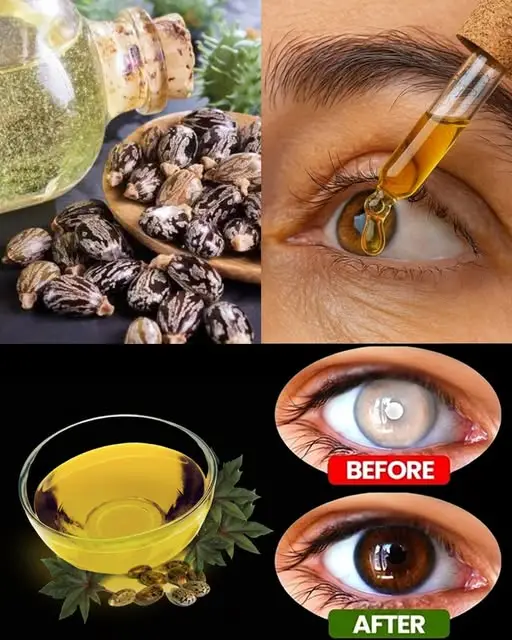
Castor oil has been used traditionally for centuries in skin and hair care. Recently, it has gained attention online as a possible natural remedy for dry eyes, blepharitis, eye bags, lashes, floaters, and even cataracts. But how much of that is backed by research? And what’s hype?
Let’s break down 15 key insights blending science, safety facts, and realistic expectations.
The Growing Eye Health Challenge After 40
Aging brings natural changes to tear production, oil gland function, and eyelid health. Many adults over 50 report:
- Dryness and burning sensations
- Red or inflamed eyelids
- Blurred vision during screen use
- Increased sensitivity to light
- Fluctuating vision clarity
Chronic dry eye can affect productivity, mood, sleep quality, and overall daily comfort. Artificial tears help, but many people find relief temporary. That’s where lipid layer support becomes important—and where castor oil enters the conversation.
Understanding How Tears Actually Work
Your tear film has three layers:
- A watery layer (hydration)
- A mucin layer (spreading stability)
- A lipid (oil) layer that prevents evaporation
Most over-the-counter drops focus on hydration, but evaporative dry eye is often caused by dysfunction of the meibomian glands, which produce the lipid layer. Castor oil has been studied as a lipid-support ingredient in certain ophthalmic formulations.
Now let’s examine specific benefits and limitations.
Supporting Tear Film Stability
Some ophthalmic studies suggest diluted castor oil in formulated eye drops may help improve tear film stability by reducing evaporation. This can be helpful in evaporative dry eye.
Important: This applies to professionally formulated, sterile eye drops—not household castor oil.
Patients using castor oil–containing artificial tears in studies reported longer-lasting moisture and reduced dryness symptoms.
Supporting Meibomian Gland Function
Clogged or underperforming meibomian glands contribute to evaporative dry eye. Research indicates castor oil–based emulsions may help improve gland function and tear stability.
This does not mean pure oil should be placed in the eye. The benefit appears in properly formulated drops.
Potential Support for Blepharitis (External Use)
A small randomized clinical study examined cold-pressed castor oil applied externally to eyelids for blepharitis symptoms. Participants experienced reduced lid inflammation and irritation after consistent application.
This refers to applying oil to the eyelid margins externally—not inside the eye.
Possible Reduction in Eyelid Swelling
Castor oil contains ricinoleic acid, which has anti-inflammatory properties. When applied externally, it may help soothe irritated eyelid skin.
Some anecdotal reports suggest mild improvement in under-eye puffiness, although strong clinical evidence remains limited.
Lash Conditioning Support
Castor oil is widely used in cosmetic care for lash and brow conditioning. Some research suggests it may reduce breakage by coating hair strands.
However, it does not have proven medical approval as a lash growth drug.
Antioxidant Properties
Laboratory studies show castor oil contains compounds with antioxidant and anti-inflammatory activity. These effects are more relevant to topical skin use than internal eye structures.
There is no evidence it penetrates deep ocular tissues.
No Evidence for Cataracts Treatment
Online claims often suggest castor oil dissolves cataracts. There is no credible clinical evidence supporting this.
Cataracts form within the lens of the eye. Topical oils do not penetrate deeply enough to reverse lens clouding.
Medical treatment remains the only proven correction.
No Proven Effect on Eye Floaters
Floaters originate inside the vitreous gel of the eye. Due to ocular barriers and pharmacokinetics, castor oil cannot reach this area when applied topically.
There are currently no clinical trials supporting castor oil for floaters.
Risks of Using Undiluted Oil in the Eye
Pure, 100% castor oil has been shown in laboratory testing to cause cytotoxic effects on conjunctival cells. This means it may irritate or damage surface eye tissues.
Direct instillation of non-formulated oil can lead to:
- Burning
- Blurred vision
- Redness
- Irritation
Temporary Vision Blurring
Castor oil is thick and viscous. When placed in the eye, it may create “ropy” strands and temporary blurred vision due to poor mixing with natural tears.
This is why ophthalmic products use carefully measured emulsions.
Infection Risk from Non-Sterile Products
Store-bought cosmetic castor oil is not sterile. Introducing non-sterile substances into the eye increases risk of infection.
The National Institutes of Health emphasizes sterile preparation standards for ophthalmic products.
pH and Storage Issues
Improper storage of oils can alter their chemical stability. Temperature shifts may affect pH balance, increasing irritation risk.
Eyes are extremely sensitive to pH changes.
Safer Alternative: Formulated Castor Oil Eye Drops
Some artificial tear brands include small amounts of castor oil in sterile emulsions designed for ocular safety.
These products are balanced for pH, sterility, and appropriate lipid concentration.
Always consult an eye care professional before trying new eye products.
Best Practice: External Eyelid Application Only
If using cosmetic-grade castor oil, it should be applied externally to closed eyelids—not inside the eye.
Use a clean cotton swab and apply a thin layer along lash margins before bed. Discontinue if irritation occurs.
Professional Consultation Is Essential
Persistent dryness, vision changes, or inflammation should be evaluated by an optometrist or ophthalmologist.
Eye symptoms can signal underlying conditions requiring proper diagnosis.
Safety Checklist Before Trying Castor Oil
- Use only sterile, ophthalmic formulations for direct eye application
- Avoid pure oil drops in the eye
- Perform patch testing before eyelid use
- Store products properly
- Stop immediately if irritation develops
- Consult a professional if symptoms persist
Realistic Expectations vs. Online Hype
Castor oil may support tear stability when included in professionally formulated drops. It may soothe eyelids externally. But it does not:
- Cure cataracts
- Remove floaters
- Penetrate deep eye structures
- Replace medical treatment
Managing expectations prevents disappointment and protects eye health.
Tips for Healthier Eyes Beyond Castor Oil
Follow the 20-20-20 rule for screens: every 20 minutes, look at something 20 feet away for 20 seconds.
Stay hydrated.
Use a humidifier in dry environments.
Blink consciously during screen use.
Consider omega-3 fatty acids if recommended by a healthcare provider.
Protect eyes from wind and UV exposure.
Schedule regular comprehensive eye exams.
Frequently Asked Questions
Can I put pure castor oil directly into my eyes?
No. Non-sterile or undiluted oil may irritate or harm the eye surface.
Are castor oil eye drops safe?
Sterile, ophthalmic-formulated drops containing castor oil may be appropriate if recommended by an eye care provider.
Does castor oil cure cataracts?
No scientific evidence supports this claim.
Can it remove eye floaters?
No. Floaters occur inside the vitreous and cannot be affected by topical oils.
Is castor oil safe for eyelids?
When applied externally in small amounts and patch-tested first, some people tolerate it well. Stop if irritation develops.
How long does it take to see improvement in dry eye?
In studies using formulated drops, improvements were typically observed over several weeks.
The Big Takeaway
Castor oil is not a miracle cure, but it isn’t pure myth either. In carefully formulated, sterile eye drops, it may support tear film stability and reduce evaporation in certain types of dry eye. Applied externally, it may soothe eyelid irritation for some individuals.
However, placing pure, non-sterile castor oil directly into the eye carries real risks. Conditions like cataracts and floaters are not treatable with topical oils.
If you rated your eye comfort below 6 at the beginning of this article, consider scheduling an eye exam. Evidence-based treatment, proper diagnosis, and safe product selection will always outperform internet shortcuts.