
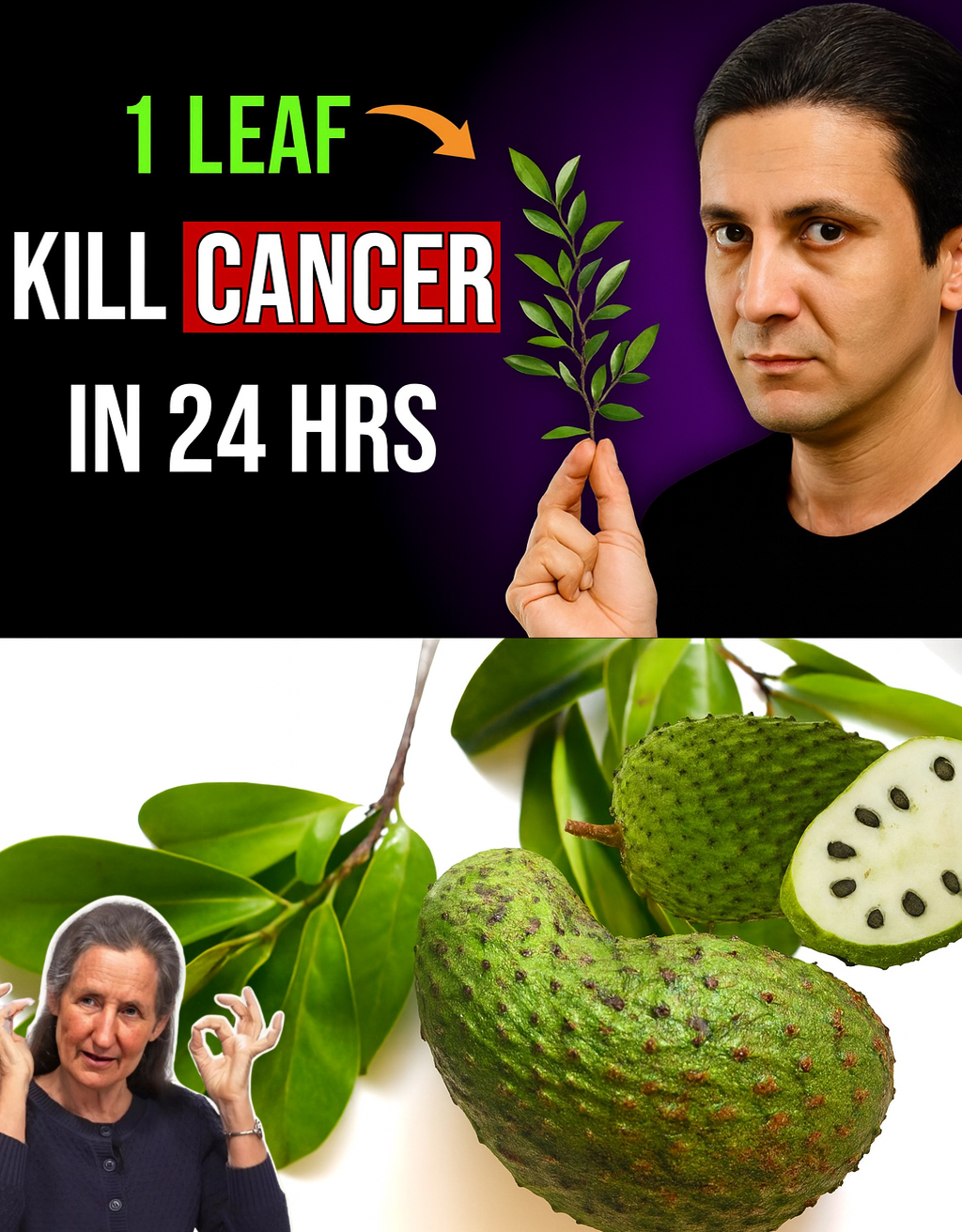
The idea sounds almost unbelievable: a single leaf capable of killing cancer in just 24 hours. Claims like this spread fast, especially online, because they speak directly to hope, fear, and the deep human desire for simple answers to complex health problems. When you see vivid images of glossy green soursop leaves, spiky tropical fruit, and confident testimonials, it’s easy to pause and wonder if modern medicine has overlooked a natural miracle hiding in plain sight.
Soursop, also known as Annona muricata, has become the center of bold headlines and viral posts promising dramatic health outcomes. But behind the excitement lies a more nuanced story—one that blends traditional use, early scientific interest, real risks, and a great deal of misinformation. Understanding this plant clearly requires separating what is known, what is still being studied, and what is simply not true.
What Soursop Is and Where It Comes From
Soursop is a tropical evergreen tree belonging to the Annonaceae family. It grows naturally in Central and South America, the Caribbean, parts of Africa, and Southeast Asia. The tree produces large, heart-shaped green leaves and a distinctive fruit covered in soft, spiky bumps. Inside the fruit is creamy white flesh with a tangy, slightly sweet flavor, along with large black seeds.
For centuries, many cultures have used different parts of the soursop tree in traditional remedies. The fruit has been eaten fresh or blended into drinks. Leaves have been brewed into teas. Bark and roots have been used in folk preparations. Historically, soursop has been associated with relief from fever, digestive discomfort, inflammation, infections, and sleep issues.
This long history of traditional use is often cited to support modern health claims. However, traditional use does not automatically equal scientific proof, especially when it comes to serious diseases like cancer.
Why Soursop Became Linked to Cancer Claims
The cancer-related attention around soursop began with laboratory research into compounds called acetogenins. These natural substances are found in the leaves, bark, and seeds of the plant. Early lab studies showed that acetogenins could inhibit the growth of certain cancer cells in test tubes and animal models by interfering with how those cells produce energy.
This mechanism sparked interest because cancer cells often have higher energy demands than normal cells. The idea that a compound could selectively disrupt cancer cell metabolism sounded promising. Over time, these early findings were exaggerated and simplified into sensational claims, including the idea that “one leaf can kill cancer in 24 hours.”
This is where science and internet storytelling sharply diverge.
What the Science Actually Shows
Scientific research on soursop is still limited and largely preclinical. Most studies have been conducted in laboratories or on animals, not on humans. These studies explore how isolated compounds behave under controlled conditions, which is very different from how whole leaves or teas behave in the human body.
To date:
- There are no large, well-controlled human clinical trials proving that soursop cures cancer.
- There is no scientific evidence supporting the claim that a single leaf can eliminate cancer in 24 hours.
- No medical authority or regulatory body recognizes soursop as a cancer treatment.
Cancer is not one disease. It includes hundreds of different conditions, each with unique biological behaviors. Any claim suggesting a universal, rapid cure should immediately raise concern. While acetogenins are biologically active, activity in a lab does not equal safety or effectiveness in people.
Potential Health Benefits Beyond Cancer Claims
While soursop is not a proven cancer cure, it does have nutritional and traditional wellness value when used responsibly.
The fruit contains:
- Vitamin C, which supports immune function
- B vitamins, which aid energy metabolism
- Antioxidants that help combat oxidative stress
Traditionally, soursop leaf tea has been used to:
- Promote relaxation and sleep
- Ease mild pain and inflammation
- Support digestion
- Help with general immune support
These uses are rooted in cultural practice rather than confirmed medical treatment, but many people value them as part of a broader wellness routine.
Real Risks and Safety Concerns
One of the most overlooked aspects of the soursop conversation is safety. Natural does not automatically mean harmless.
Soursop seeds contain compounds such as annonacin, which are neurotoxic when consumed in significant amounts. Some research has linked long-term, high exposure to annonacin with neurological disorders resembling Parkinson’s disease in certain populations.
Potential risks include:
- Nerve damage with excessive or prolonged use
- Low blood pressure
- Nausea or digestive upset
- Possible interactions with medications
Using concentrated extracts or consuming large amounts of leaf tea regularly increases these risks. This is why health professionals strongly advise caution and medical consultation before using soursop for therapeutic purposes.
Why the “One Leaf” Claim Is So Misleading
The claim that one leaf can kill cancer in 24 hours oversimplifies biology in a dangerous way. It ignores:
- Dosage variability
- Differences between cancer types
- Human metabolism
- Safety thresholds
- The complexity of treatment response
Such claims can discourage people from seeking evidence-based medical care or delay diagnosis and treatment. This is one of the main reasons health authorities warn against relying on unverified natural “cures.”
How People Safely Explore Soursop Today
Some people still choose to include soursop in their lives for general wellness, cultural reasons, or dietary enjoyment. When done carefully, this approach focuses on moderation and informed use.
Safe practices include:
- Using small amounts of leaf tea occasionally, not daily long-term
- Avoiding seeds entirely
- Purchasing from trusted sources
- Never replacing medical treatment with soursop
- Consulting a healthcare professional before use
Soursop can be appreciated as a food or traditional plant, not as a miracle medicine.
Soursop’s Cultural and Historical Significance
Soursop holds deep cultural value in many regions. In the Caribbean, it is used in drinks, desserts, and folk remedies. In parts of South America, indigenous communities have relied on it as part of traditional plant knowledge. In Africa and Asia, it has been adopted into local healing practices.
This global history explains why soursop continues to capture attention. It represents resilience, connection to nature, and ancestral wisdom. However, cultural respect also means acknowledging limits and avoiding distortion of traditional knowledge.
Why Stories Like This Spread So Easily
Cancer is frightening. The desire for a simple, natural solution is completely human. Stories about miraculous leaves or fruits thrive because they offer hope without complexity. Images, testimonials, and emotional language amplify belief, even when evidence is lacking.
Understanding this emotional pull helps explain why soursop continues to trend online. Awareness allows readers to stay curious without becoming misled.
Tips for Reading Health Claims Critically
- Be skeptical of words like “cure,” “kill,” or “guaranteed”
- Look for human clinical studies, not just lab research
- Check whether claims are supported by reputable medical organizations
- Avoid replacing professional care with internet advice
- Remember that slow, consistent health habits matter more than quick fixes
Frequently Asked Questions
Does soursop cure cancer?
No. There is no scientific evidence proving that soursop cures cancer in humans.
Is soursop leaf tea safe?
Occasional, small amounts may be tolerated by some people, but long-term or excessive use carries risks. Medical advice is strongly recommended.
What compounds in soursop are studied?
Researchers study acetogenins, which show activity in laboratory settings but are not proven treatments.
Can I eat soursop fruit safely?
The flesh is commonly eaten in many cultures. Seeds should never be consumed.
Why do so many websites promote soursop as a cure?
Sensational claims attract attention and clicks. Unfortunately, accuracy is often sacrificed for engagement.
Final Thoughts
Soursop is a fascinating tropical plant with a rich cultural history and promising areas of scientific study. But fascination should never replace facts. The claim that one leaf can kill cancer in 24 hours is not supported by science and can be harmful if taken seriously.
Respect soursop for what it truly is: a fruit and traditional plant with potential benefits, real risks, and many unanswered questions. True health decisions are built on evidence, balance, and care—not shock headlines.