
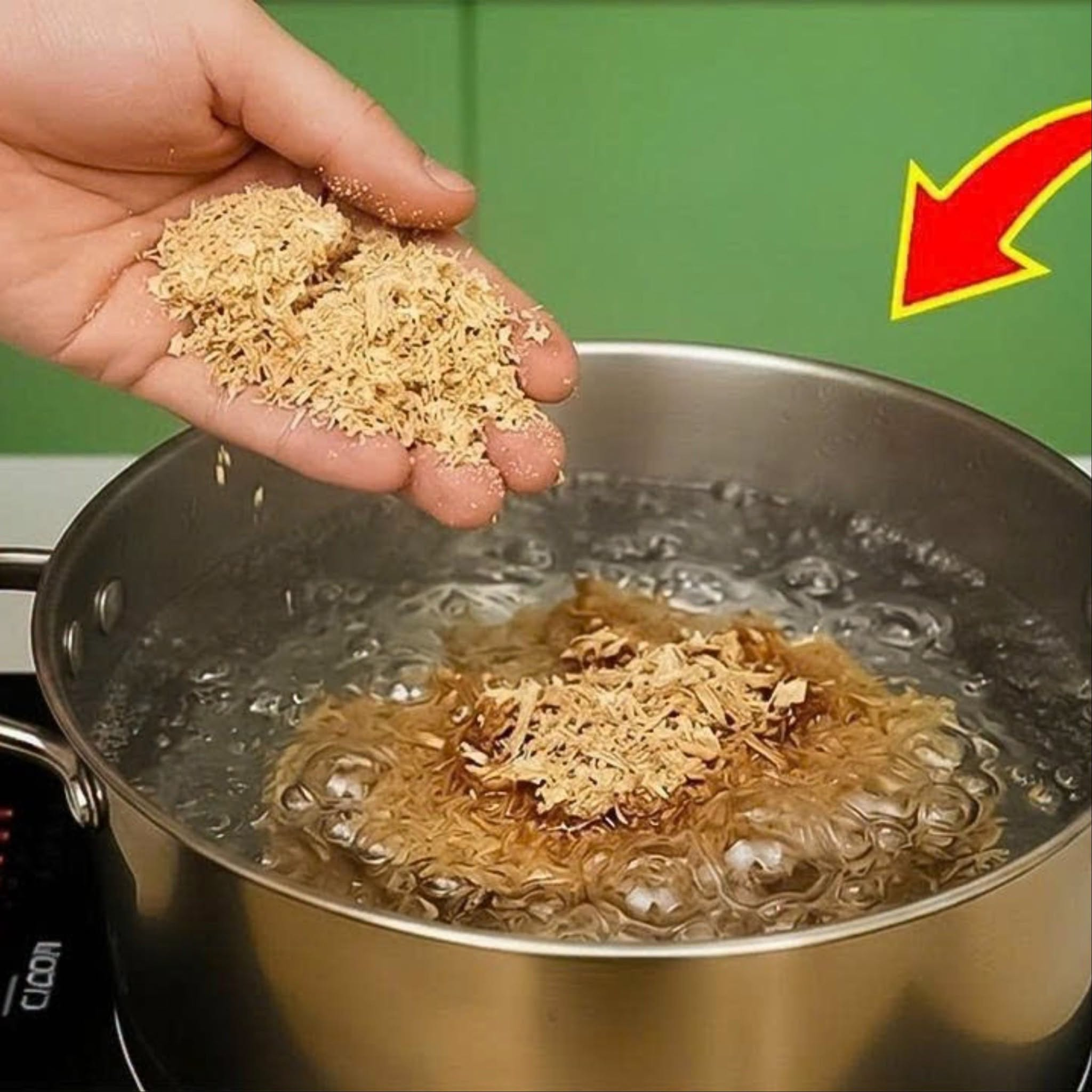
Sawdust might look like nothing more than a pile of waste left behind after cutting, sanding, or working with wood. But before throwing it away, take a closer look.
This simple woodworking byproduct can have several practical uses around the home, garden, workshop, and even a small side business.
You may have come across viral claims suggesting that boiling sawdust can somehow turn it into a valuable substance or create an easy path to making large amounts of money. Unfortunately, there is no magic process hiding in a pot of boiling water.
Sawdust is mainly made from tiny pieces of wood containing cellulose, hemicellulose, and lignin. Boiling ordinary sawdust in water does not transform it into a valuable product that suddenly produces an income.
The good news is that you do not need a secret formula to find value in sawdust.
With the right type of clean wood and a little creativity, sawdust can become fire starters, compost material, mushroom-growing substrate, animal bedding, wood filler, and other useful products.
The most important thing is knowing what kind of sawdust you have and how to use it safely.
What Happens When You Boil Sawdust?
Boiling sawdust in water does not create a magical fuel, chemical, or money-making substance.
Instead, the wood particles absorb water and become wet. Depending on the type of wood and how finely it was processed, the mixture can become soft, fibrous, and difficult to handle.
Wood contains complex plant materials such as cellulose and lignin. These materials are responsible for much of the structure and strength of wood.
Industrial processes can chemically or mechanically process wood fibers into other products, but simply placing sawdust in boiling water is not an industrial conversion method.
That is why online claims about boiling sawdust and immediately creating something valuable should be treated with skepticism.
The real opportunity is much simpler: reuse the sawdust instead of wasting it.
Why Sawdust Can Still Be Valuable
Sawdust is a concentrated form of wood waste.
If you already have access to clean sawdust from woodworking, furniture making, carpentry, or another wood-related activity, you may have a useful material on hand without buying it.
Its small particle size gives it several useful properties.
It can absorb moisture, provide carbon for compost, act as a filler material, and serve as a growing medium for certain types of mushrooms.
Dry sawdust can also burn readily, which makes it useful in fire-starting products when combined with an appropriate fuel such as wax.
However, not all sawdust is suitable for every purpose.
Sawdust from painted, stained, pressure-treated, chemically treated, or contaminated wood should generally be kept out of compost, animal bedding, food-growing applications, and homemade products that could expose people or animals to harmful substances.
Make Simple Sawdust Fire Starters
One of the easiest practical uses for clean sawdust is making fire starters.
The basic idea is straightforward: dry sawdust provides the combustible material while wax helps bind it together and allows the starter to burn long enough for kindling to catch.
These can be useful for fireplaces, outdoor fire pits, wood stoves, and camping.
What You Will Need
- Clean, dry sawdust from untreated wood
- Paraffin or leftover candle wax
- Paper egg cartons or small paper molds
- An old heat-safe container
- A pot for a double-boiler setup
- A spoon or stirring tool
Step 1: Choose Safe Sawdust
Start with sawdust from untreated, unpainted, and unstained wood.
Avoid sawdust from pressure-treated lumber, painted furniture, plywood, MDF, particleboard, or other manufactured wood products for this purpose.
If you do not know what the wood has been treated with, do not use the sawdust.
Step 2: Prepare the Wax
Place the wax in a heat-safe container.
Use a double boiler or another controlled indirect-heating method rather than placing wax directly over an open flame.
Wax can become extremely hot and presents a fire hazard if overheated.
Work in a well-ventilated area and keep the workspace away from children, pets, and anything that could easily catch fire.
Step 3: Mix the Sawdust and Wax
Add dry sawdust gradually to the melted wax.
Stir until the particles are coated and the mixture holds together when pressed.
You do not need to create a completely solid block. A crumbly mixture that binds together is enough.
Step 4: Fill the Molds
Spoon the mixture into paper egg-carton sections or other suitable paper molds.
Press it down gently so the mixture stays together after cooling.
Do not use plastic containers that could soften or deform from hot wax.
Step 5: Allow Them to Cool
Leave the fire starters undisturbed until the wax has completely hardened.
Once cool, separate the individual portions and store them somewhere dry and away from heat or flames.
How to Use Sawdust Fire Starters
Place a fire starter underneath dry kindling.
Light it carefully and allow the flame to spread to the surrounding material.
Never leave a burning fire unattended.
For outdoor fires, follow local fire regulations and make sure the fire is fully extinguished afterward.
A homemade fire starter should help a properly prepared fire get going. It should never be treated as a substitute for safe fire practices.
Can You Sell Sawdust Fire Starters?
Potentially, yes.
People who already have access to clean sawdust and inexpensive wax may be able to create simple fire-starting products for local customers.
They could be packaged in small paper bags, boxes, or baskets and offered at appropriate local markets, craft events, farm stands, camping-oriented stores, or through permitted local sales channels.
But it is important to be realistic about the business side.
There is no guarantee that these products will become a large source of income.
Before selling anything, calculate the actual cost of wax, packaging, labor, transportation, market fees, and other expenses. Check local rules that apply to homemade fire-starting products.
The attractive part of this idea is not a promise of instant wealth. It is the possibility of turning a low-value waste material into a useful product.
Use Sawdust in Compost
Sawdust can also play a role in composting.
Wood-based materials are rich in carbon, while many kitchen scraps and fresh green materials contain more nitrogen.
A healthy compost pile generally needs a balance between carbon-rich and nitrogen-rich materials, along with moisture and oxygen.
Small amounts of clean sawdust can contribute carbon to the pile.
However, adding huge amounts at once can create problems because sawdust is very carbon-heavy. It can also compact and slow decomposition if the pile lacks enough nitrogen and air.
Mix sawdust with other compost materials rather than creating a pile made almost entirely from sawdust.
And again, use only clean wood sawdust.
Sawdust for Mushroom Growing
Certain edible mushrooms can grow on wood-based substrates.
Sawdust from suitable untreated hardwoods can be used in some mushroom-growing systems, although successful cultivation requires more than simply placing mushrooms in a pile of sawdust.
The substrate may need to be prepared, hydrated, sterilized or pasteurized depending on the mushroom species and cultivation method, and inoculated with an appropriate mushroom culture.
Different mushroom species have different substrate requirements.
For anyone interested in this use, sawdust can be an inexpensive starting material, but mushroom cultivation still requires proper preparation and hygiene.
Sawdust as Animal Bedding
Clean wood shavings and certain types of sawdust are sometimes used as bedding for animals.
However, the specific wood species and particle size matter.
Fine dusty material can create respiratory problems, while some woods may contain compounds that are unsuitable for particular animals.
Avoid sawdust from treated, painted, stained, or chemically processed wood.
For chickens, rabbits, or other animals, research the appropriate bedding material for that species before using sawdust.
In many cases, larger wood shavings are preferable to extremely fine sawdust because they create less airborne dust.
Make DIY Wood Filler
Another useful workshop trick is mixing clean sawdust with wood glue to create a simple filler for small woodworking repairs.
The advantage is that the sawdust can closely match the color of the wood you are repairing.
How to Make It
Collect a small amount of very fine sawdust from the same wood species as your project.
Place it in a small container and gradually add wood glue.
Mix until you have a thick paste.
Press the mixture into a small crack, hole, or imperfection.
Allow it to dry completely before sanding the area smooth.
This technique works best for small cosmetic repairs rather than structural damage.
Important Sawdust Safety Rules
Before finding a use for your sawdust, identify its source.
This is one of the most important parts of the entire process.
Avoid Treated Wood
Do not assume every piece of wood is safe simply because it looks ordinary.
Pressure-treated lumber, painted boards, stained furniture, and manufactured wood products may contain chemicals or resins that make their sawdust unsuitable for many household uses.
Wear a Dust Mask During Woodworking
Fine wood dust can become airborne easily.
Use appropriate respiratory protection and good ventilation when cutting, sanding, or handling large quantities of sawdust.
A dust-collection system can also reduce airborne particles in a workshop.
Keep Sawdust Dry
If you plan to store sawdust for fire starters, woodworking, or other uses, keep it dry.
Moist sawdust can develop mold and becomes much less useful for applications requiring dry material.
Store Away From Flames
Dry sawdust is combustible.
Keep large quantities away from open flames, heaters, sparks, and other ignition sources.
Do not store sawdust in a way that blocks ventilation or creates a fire hazard.
Tips for Getting More Value From Sawdust
Separate It by Wood Type
If possible, keep different types of sawdust separate.
This makes it easier to determine which material is suitable for composting, woodworking, mushroom cultivation, or other uses.
Keep Clean Sawdust Separate
Sawdust from untreated natural wood is much more versatile than material mixed with paint, finishes, adhesives, or treated lumber.
Collect Fine and Coarse Material Separately
Different applications can benefit from different particle sizes.
Fine sawdust can work well for wood filler, while larger shavings may be more appropriate for bedding.
Start Small
Before producing large quantities of a homemade product, make a small batch first.
Test its quality, storage, durability, and practical usefulness.
Calculate Your Costs
If you plan to sell a sawdust-based product, calculate every expense.
Free sawdust does not necessarily mean a free product. Wax, packaging, labor, tools, transportation, and selling fees all affect profitability.
Frequently Asked Questions
Can boiling sawdust make money?
No. Simply boiling sawdust in water does not create a valuable substance or guarantee an income. Real value comes from processing or reusing clean sawdust for practical purposes.
What is sawdust made of?
Sawdust is made from tiny wood particles. Wood primarily contains cellulose, hemicellulose, and lignin, along with smaller amounts of other natural compounds.
Can sawdust be used in compost?
Clean, untreated sawdust can be added to compost as a carbon-rich material. Use it in moderation and balance it with nitrogen-rich materials.
Can I use sawdust from painted wood?
It is best not to use sawdust from painted, stained, treated, or chemically finished wood for compost, animal bedding, mushroom growing, or other applications where contaminants could be a problem.
Can sawdust be used to start a fire?
Clean sawdust from untreated wood can be combined with wax to make homemade fire starters. Use safe heating methods when melting wax and store the finished starters away from heat and flames.
Can I make wood filler from sawdust?
Yes. Fine sawdust mixed with suitable wood glue can make a simple filler for small cosmetic woodworking repairs.
Is sawdust good for plants?
Clean sawdust can contribute carbon to soil or compost systems, but adding large amounts directly to soil can affect nutrient availability as it decomposes. Composting it first is often a better approach.
Can sawdust be used for mushrooms?
Some mushroom species can grow on suitable hardwood sawdust substrates. Proper preparation, moisture, sanitation, and mushroom-specific cultivation methods are still necessary.
Can sawdust become a profitable business?
It can potentially become part of a small business, but profitability depends on material costs, equipment, labor, demand, packaging, local regulations, and selling prices. There is no guaranteed income.
Final Thoughts
The internet loves a dramatic secret.
“Boil sawdust and make dollars” certainly sounds more exciting than “find a practical use for your woodworking waste.” But the second idea is much closer to reality.
Boiling sawdust does not magically create wealth. What sawdust can do, however, is become a useful raw material when it comes from clean, suitable wood and is handled correctly.
You can turn it into simple fire starters, add appropriate amounts to compost, explore mushroom cultivation, use suitable material as bedding, or mix fine sawdust with glue for small woodworking repairs.
The real secret is simple: waste only becomes waste when you have no useful plan for it.
Instead of looking for a mysterious recipe that promises instant riches, look at what materials you already have, find a genuine use for them, calculate the costs, and start small.
That approach may not promise billions of dollars, but it can turn an otherwise overlooked pile of sawdust into something genuinely useful.