
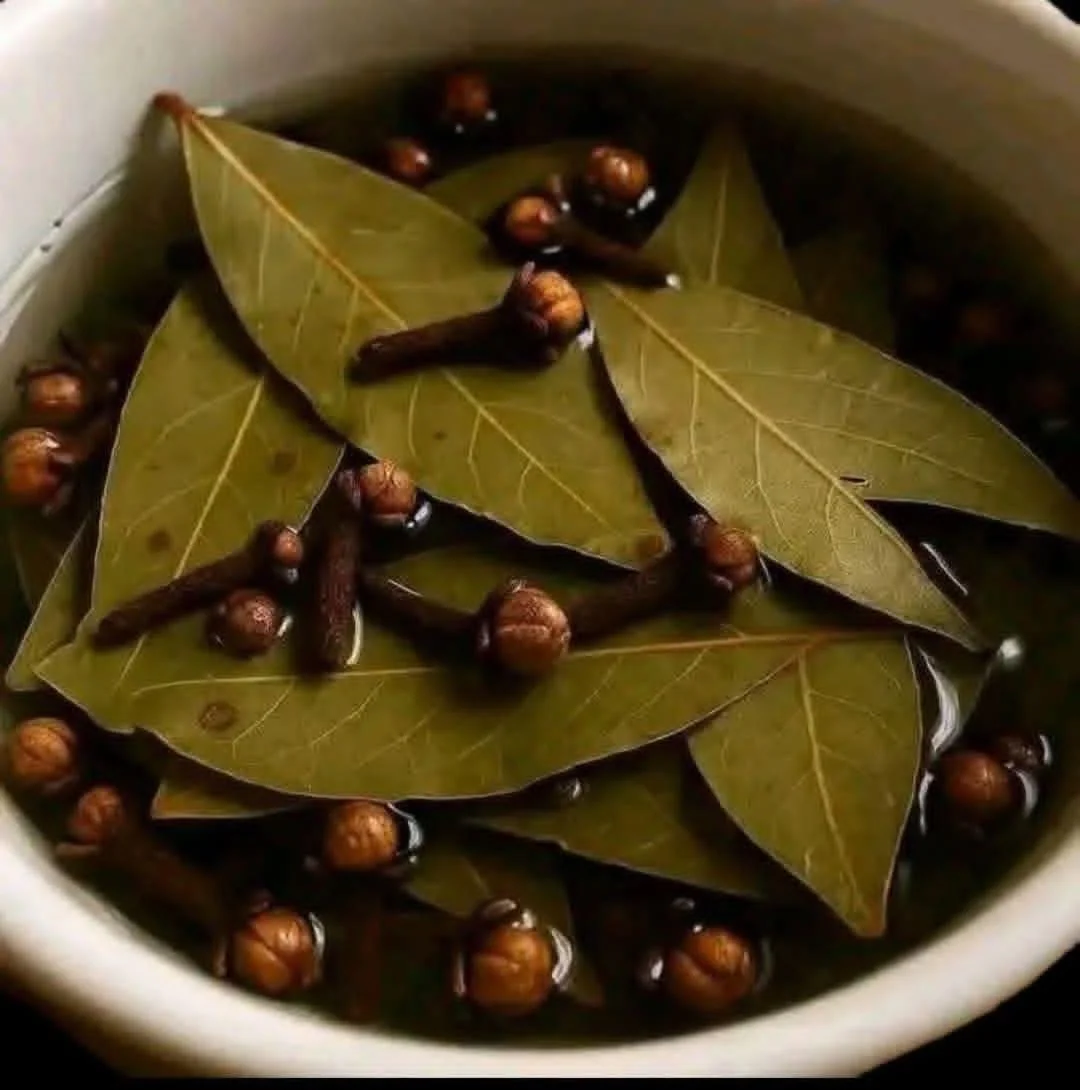
Bay Leaf and Clove Herbal Tea is a simple, comforting infusion that has been used for generations in traditional wellness practices. With its warm aroma, gentle spice, and soothing nature, this tea is often enjoyed for relaxation, digestive comfort, and daily balance. It requires only a few pantry ingredients, yet it delivers a deep, satisfying flavor that feels grounding and restorative.
Unlike caffeinated beverages, this herbal tea is naturally caffeine-free, making it suitable for mornings, afternoons, or evenings. Many people appreciate it as a quiet ritual—a pause in the day that supports hydration while offering subtle herbal benefits. Whether you are new to herbal teas or already enjoy natural infusions, bay leaf and clove tea is an easy place to start.
This guide walks you through everything you need to know: what makes bay leaves and cloves special, how the tea is traditionally used, how to prepare it correctly, and how to enjoy it safely and mindfully.
What Makes Bay Leaf and Clove Tea Special
Bay leaves and cloves are more than kitchen spices. In many cultures, they have long been valued for their aromatic oils and natural plant compounds. When steeped in hot water, these compounds are gently released, creating a tea that is both flavorful and comforting.
Bay leaf brings an earthy, slightly floral note that feels grounding. Cloves add warmth, mild sweetness, and a gentle spice. Together, they create a balanced infusion that feels cozy without being overpowering.
This tea is not about instant results or dramatic effects. It is about consistency, simplicity, and supporting the body gently over time.
Understanding the Ingredients
Bay Leaves
Bay leaves come from the bay laurel tree and are commonly used dried. In traditional use, bay leaves are appreciated for their aromatic qualities and their role in digestive comfort. They contain natural plant compounds, including polyphenols, that contribute to their antioxidant profile.
When used in tea, bay leaves provide a subtle bitterness that balances well with warming spices like clove.
Cloves
Cloves are dried flower buds with a strong, warm aroma. They are rich in natural oils, particularly eugenol, which has been widely studied for its antioxidant properties. In traditional wellness practices, cloves are often associated with warmth, circulation, and digestive ease.
Because cloves are potent, only a small amount is needed to flavor the tea effectively.
Water
Clean, fresh water is essential for any herbal infusion. Filtered water helps ensure a clean taste and allows the natural flavors of the herbs to come through clearly.
Optional Additions
Honey can add gentle sweetness and enhance the soothing quality of the tea. Lemon adds brightness and a refreshing note. Both are optional and can be adjusted to personal preference.
Traditional Uses and Everyday Wellness Support
Bay leaf and clove tea has been traditionally enjoyed for a variety of gentle wellness purposes. While it is not a medicine, many people include it in their routine for overall comfort and balance.
Digestive Comfort
Warm herbal teas are often consumed after meals to support digestion. Bay leaf and clove tea is traditionally used to ease feelings of heaviness or bloating and to encourage a sense of digestive calm.
Relaxation and Grounding
The aroma alone can feel calming. Many people enjoy this tea during quiet moments, in the evening, or as part of a relaxation routine. The warmth and spice create a sense of comfort that supports unwinding.
Antioxidant Support
Both bay leaves and cloves contain naturally occurring antioxidants. When consumed as part of a balanced lifestyle, antioxidant-rich foods and drinks help support overall cellular health.
Warming and Soothing Qualities
This tea is especially popular during cooler months or whenever the body feels chilled. Its warming nature makes it comforting without being stimulating.
Ingredients List
- 3 to 4 dried bay leaves
- 5 to 7 whole cloves
- 2 cups water
- Honey or lemon (optional)
Step-by-Step Preparation
Heating the Water
Pour two cups of water into a small pot and place it over medium heat. Using a small pot helps concentrate the flavors and makes it easier to control the simmer.
Adding the Herbs
Once the water begins to warm, add the dried bay leaves and whole cloves directly to the pot. There is no need to crush or break them.
Gentle Boil
Bring the mixture to a gentle boil. Avoid a rapid boil, as very high heat can cause some delicate aromatic compounds to dissipate too quickly.
Simmering and Infusion
Lower the heat and let the tea simmer gently for 10 to 15 minutes. This allows enough time for the flavors and natural compounds to infuse into the water.
Straining the Tea
Turn off the heat and carefully strain the tea into a cup using a fine strainer. Remove all bay leaves and cloves before drinking.
Optional Flavor Adjustments
Add honey or lemon if desired. Stir gently and taste, adjusting sweetness or acidity to your preference.
Serving
Enjoy the tea warm. Sip slowly and mindfully to fully appreciate the aroma and warmth.
When and How to Enjoy This Tea
This tea is flexible and can fit into many routines.
In the morning, it can be enjoyed as a gentle, caffeine-free start to the day. In the afternoon, it works well as a calming break. In the evening, it can be part of a wind-down ritual before rest.
Some people drink it after meals, while others enjoy it on its own. There is no single “right” time—listen to how your body responds.
Safety and Moderation
Although bay leaf and clove tea uses common culinary spices, moderation is important. Using small amounts as described in the recipe is generally considered safe for most adults when consumed occasionally.
Cloves are strong, and excessive intake may cause irritation for some people. Bay leaves should always be strained out and not consumed whole, as they remain stiff even after boiling.
If you are pregnant, breastfeeding, have a medical condition, or take medication, it is best to consult a healthcare professional before adding new herbal teas to your routine.
Flavor Variations You Can Try
You can customize this tea while keeping its gentle nature.
Add a small piece of cinnamon stick for extra warmth. Include a slice of fresh ginger for a spicier, more invigorating version. Add a few fennel seeds for a slightly sweet, digestive-friendly twist.
Always keep additions minimal so the tea remains soothing rather than overpowering.
Tips for the Best Bay Leaf and Clove Tea
Use dried bay leaves rather than fresh for a more consistent flavor.
Do not overuse cloves; a small number is enough.
Simmer gently rather than boiling aggressively.
Always strain the tea completely before drinking.
Drink slowly to enjoy both aroma and warmth.
Start with smaller portions if you are new to herbal teas.
Store dried bay leaves and cloves in airtight containers for freshness.
FAQs
Can I drink bay leaf and clove tea every day?
Many people enjoy it occasionally or a few times a week. Daily use in moderate amounts is common in traditional practices, but it’s best to listen to your body and rotate herbal teas.
Does this tea contain caffeine?
No. Bay leaf and clove tea is naturally caffeine-free.
Can I use ground cloves instead of whole cloves?
Whole cloves are recommended because they are easier to strain and provide a smoother flavor. Ground cloves can make the tea gritty and overly strong.
Is it safe to chew the bay leaves after boiling?
No. Bay leaves should be removed before drinking, as they remain tough and are not meant to be eaten whole.
Can I make a larger batch and store it?
You can prepare a larger batch and store it in the refrigerator for up to 24 hours. Reheat gently before drinking.
Can I drink this tea cold?
Yes. Once strained and cooled, it can be enjoyed chilled, though it is traditionally consumed warm.
Bay Leaf and Clove Herbal Tea is a reminder that wellness does not always require complexity. Sometimes, a simple cup of warm herbal tea is enough to support comfort, relaxation, and mindful moments throughout the day. With its rich aroma, gentle spice, and ease of preparation, this tea fits beautifully into a balanced, natural lifestyle.