
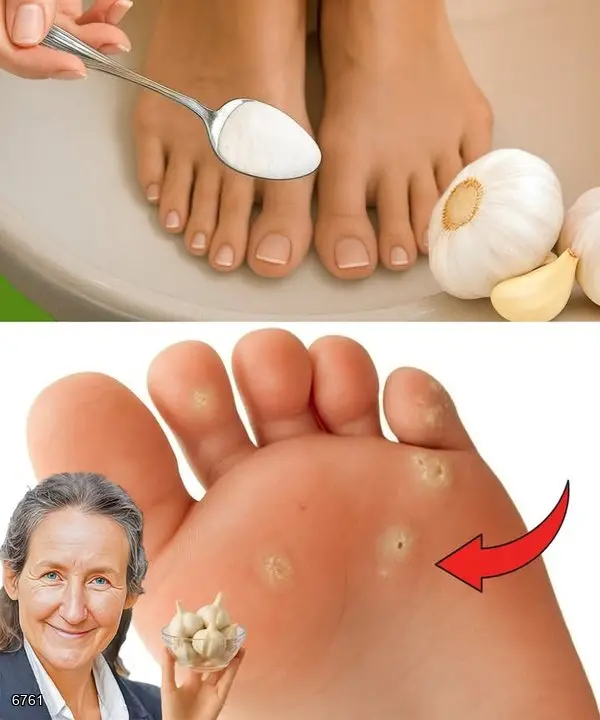
Plantar warts can be frustrating, uncomfortable, and sometimes painful. These small growths appear on the soles of the feet and often develop in areas that carry pressure, such as the heels or balls of the feet. Because they grow inward due to body weight pressing down on them, plantar warts can feel like tiny stones under the skin, making walking or standing uncomfortable.
Plantar warts are caused by certain strains of the human papillomavirus (HPV). The virus enters the body through small cuts or cracks in the skin, particularly in warm, moist environments like locker rooms, swimming pools, or communal showers. Once inside the skin, the virus triggers rapid growth of skin cells, forming a wart.
Many people turn to over-the-counter wart treatments or clinical procedures, but these methods may sometimes cause irritation or require repeated applications. Because of this, some individuals look for natural approaches that may help support the skin’s healing process.
One traditional remedy that has gained attention is garlic. For centuries, garlic has been used in natural medicine for its antimicrobial and anti-inflammatory properties. It contains powerful plant compounds that may help support skin health and fight microbes.
In this guide, you will learn about the properties of garlic, how it may help with plantar warts, and two simple home remedies that use garlic as a natural topical treatment. You will also find tips for safe use and answers to common questions.
Understanding Plantar Warts
Plantar warts are non-cancerous skin growths caused by HPV infection. They commonly appear on the soles of the feet and can vary in size and number.
Common Characteristics
Plantar warts often appear as rough, grainy growths on the bottom of the foot. They may contain small black dots, which are tiny clotted blood vessels.
Other symptoms may include:
Pain or tenderness when walking
Thickened skin on the sole of the foot
A rough circular patch with a slightly raised edge
Discomfort when pressure is applied
Some plantar warts appear alone, while others develop in clusters known as mosaic warts.
How the Virus Spreads
The virus that causes plantar warts thrives in warm and damp environments. People can contract it through direct contact with contaminated surfaces.
Common risk factors include:
Walking barefoot in public areas
Sharing shoes or socks
Having small cuts on the feet
Weak immune system response
Maintaining good foot hygiene helps reduce the risk of infection.
Why Garlic Is Used in Natural Remedies
Garlic is more than a popular cooking ingredient. It has been used in traditional medicine for hundreds of years because of its beneficial plant compounds.
Antimicrobial Properties
Garlic contains a compound called allicin. Allicin forms when garlic cloves are crushed or chopped.
This compound has antimicrobial effects that may help fight certain bacteria, fungi, and viruses.
Anti-Inflammatory Effects
Garlic also contains antioxidants that may help reduce inflammation and support skin recovery.
Natural Skin Support
When used carefully as a topical remedy, garlic may help soften thickened skin and support the body’s natural healing processes.
Because of these properties, garlic has been traditionally used in home remedies for minor skin concerns.
Garlic Poultice Method
A garlic poultice is a simple topical mixture that allows the active compounds in garlic to come into contact with the wart.
Ingredients
2 fresh garlic cloves
1 teaspoon olive oil
Small piece of gauze or clean cloth
Hypoallergenic adhesive tape
Preparation Steps
Peel the garlic cloves.
Crush them into a smooth paste using a mortar and pestle or the flat side of a knife.
Mix the crushed garlic with olive oil to create a spreadable mixture.
Application Instructions
Clean the affected area with warm water and dry it thoroughly.
Apply a small amount of the garlic mixture directly onto the wart.
Cover the area with gauze or a small piece of cloth.
Secure it gently with adhesive tape.
Leave the poultice in place for about 6 to 8 hours, ideally overnight.
Remove the bandage in the morning and rinse the area with warm water.
Recommended Duration
Apply once daily for up to 7 to 10 days while monitoring the skin for irritation.
Garlic and Salt Foot Soak
A warm garlic and salt soak may help soften thick skin around plantar warts while cleansing the affected area.
Ingredients
3 fresh garlic cloves
1 liter hot water
2 tablespoons coarse salt
A basin or bowl large enough for soaking feet
Preparation Steps
Peel and crush the garlic cloves.
Add the crushed garlic and coarse salt to the hot water.
Stir until the salt dissolves.
Allow the water to cool slightly until it reaches a comfortable warm temperature.
Soaking Instructions
Place the affected foot in the basin.
Soak for 15 to 20 minutes.
Pat the foot dry with a clean towel after soaking.
Recommended Duration
Repeat the soak twice daily for about 10 days.
Why These Remedies May Help
The combination of garlic compounds, warm water, and gentle exfoliation may help create an environment that supports skin renewal.
Possible Benefits
Softening of thick skin around the wart
Improved cleanliness of the affected area
Support for natural skin repair
Reduction of discomfort caused by pressure
While results vary, some people report gradual improvement with consistent use.
Tips for Best Results
Keep the affected area clean and dry.
Wear comfortable shoes that reduce pressure on the wart.
Avoid walking barefoot in public places.
Use separate towels to prevent spreading the virus.
Maintain consistent daily application when using natural remedies.
Practice good foot hygiene by washing and drying feet regularly.
Allow the skin time to recover between treatments if irritation appears.
Safety Precautions
Although garlic is natural, it is still powerful and must be used carefully.
Always perform a patch test before applying garlic directly to the skin.
Avoid applying garlic to broken or irritated skin.
Limit contact time if the skin becomes red or sensitive.
Wash hands thoroughly after handling garlic mixtures.
If severe irritation occurs, stop using the remedy.
Consult a healthcare professional if the wart becomes painful, spreads, or does not improve.
Natural remedies should complement proper medical care when necessary.
Supporting Foot Health Naturally
Along with topical remedies, maintaining overall foot health can support recovery.
Helpful habits include:
Keeping feet clean and dry
Wearing breathable footwear
Avoiding tight shoes that create pressure
Using protective footwear in communal areas
A strong immune system also plays a role in helping the body manage viral infections.
Frequently Asked Questions
What causes plantar warts
Plantar warts are caused by infection with certain strains of the human papillomavirus that enter through small cuts in the skin.
Are plantar warts contagious
Yes, the virus can spread through direct contact with infected skin or contaminated surfaces.
How long do plantar warts last
Some plantar warts disappear on their own within months, while others may last longer without treatment.
Can garlic remove warts completely
Garlic may help support skin healing and reduce wart appearance, but results vary for each person.
When should a doctor be consulted
Seek medical advice if the wart grows, becomes painful, spreads rapidly, or does not improve after several weeks.
Can plantar warts be prevented
Yes. Wearing protective footwear in public areas, maintaining good hygiene, and avoiding direct contact with infected surfaces can reduce the risk.
Are natural remedies safe for everyone
Most natural remedies are safe when used carefully, but people with sensitive skin or underlying health conditions should consult a healthcare professional first.
Plantar warts can be uncomfortable, but many people explore natural remedies to support skin recovery. Garlic, with its traditional medicinal reputation and beneficial compounds, has become a popular option in home treatments. Whether used in a poultice or a warm foot soak, garlic-based remedies may help support skin health when applied carefully and consistently. Combined with good hygiene and proper foot care, these simple approaches may help promote healthier, more comfortable feet.