
Avocados are celebrated around the world for their creamy texture, healthy fats, and impressive nutritional profile. But once the green flesh is gone, the large seed in the center is almost always thrown away. In recent years, that overlooked seed has sparked curiosity in natural wellness communities. Some people claim it can help cleanse the body, support digestion, and even strengthen heart health.
So what’s the truth behind avocado seeds? Are they a hidden superfood or just another wellness trend taken too far?
This in-depth guide explores what avocado seeds are, why people are interested in them, what science currently suggests about their potential benefits, and—just as importantly—the safety considerations you should understand before deciding whether to use them. There’s no hype here, just balanced, evidence-informed insight to help you make smart choices.
Understanding Common Health Concerns Today
Many adults struggle with fatigue, bloating, sluggish digestion, inflammation, or concerns about cholesterol and heart health. These issues are often linked to modern lifestyle factors such as highly processed foods, chronic stress, low physical activity, and inadequate fiber intake.
When the body feels “heavy” or out of balance, it’s natural to look for gentle, natural ways to support wellness. That’s where interest in plant-based ingredients like avocado seeds comes from. People hope that adding something natural to their routine might help them feel lighter, more energized, or more supported from within.
However, no single ingredient can fix complex health challenges on its own. True wellness comes from consistent habits, not quick fixes.
Why People Are Interested in Avocado Seeds
Avocado seeds make up about 13–18% of the fruit’s total weight, and they are surprisingly dense in plant compounds. Researchers studying avocado byproducts have found that the seed contains:
- High levels of dietary fiber
- Polyphenols, which are antioxidant plant compounds
- Small amounts of minerals such as potassium
- Natural phytochemicals that are still being studied
Because antioxidants and fiber are linked to digestive health, heart health, and inflammation balance, some people believe avocado seeds may offer similar support.
It’s important to note that most research so far has been conducted in laboratories or on animals. Human studies are limited, which means avocado seeds should be approached with curiosity, caution, and moderation.
Potential Health Benefits With Important Context
Antioxidant Support
Laboratory studies suggest avocado seeds are rich in antioxidants, sometimes even more concentrated than the flesh itself. Antioxidants help neutralize free radicals, which are unstable molecules linked to cellular stress and aging.
That said, antioxidants are abundant in many well-studied foods such as berries, leafy greens, nuts, seeds, and green tea. Avocado seeds are not necessary to meet antioxidant needs, but they are being researched as an additional source.
Digestive Support and Fiber Content
Fiber plays a crucial role in digestion, helping regulate bowel movements, support gut bacteria, and promote feelings of fullness. Avocado seeds contain a significant amount of insoluble fiber.
In theory, small amounts could contribute to digestive support. In practice, fiber from familiar sources like oats, lentils, beans, vegetables, and chia seeds is far better studied and easier for the body to tolerate. Avocado seed fiber is very dense and may be harsh on sensitive digestive systems if consumed improperly.
Heart Health and Cholesterol Interest
Some plant compounds found in avocado seeds are being studied for their potential effects on cholesterol metabolism and cardiovascular markers. Early research suggests these compounds may help support healthy lipid balance.
However, heart health is influenced by many factors: overall diet quality, physical activity, sleep, stress, and genetics. No seed or supplement can replace medical advice, prescribed treatments, or proven lifestyle changes.
Anti-Inflammatory Potential
Polyphenols found in many plant foods may help regulate inflammatory pathways in the body. Chronic, low-grade inflammation is associated with joint discomfort, metabolic imbalance, and cardiovascular strain.
Avocado seeds contain polyphenols similar to those found in green tea, cocoa, and berries. While this is promising, those other foods have far more research backing their safety and effectiveness.
General Wellness and Energy Claims
Some people report feeling more energized or “lighter” after experimenting with avocado seed preparations. These experiences are subjective and may be influenced by overall diet changes, hydration, or placebo effects.
Adding any new plant-based ingredient can increase awareness of health habits, which alone can lead to positive changes.
How Some People Prepare Avocado Seeds
There is no officially recommended or approved dosage for avocado seed consumption. Anyone considering trying it should speak with a healthcare professional first.
That said, common preparation methods people talk about include:
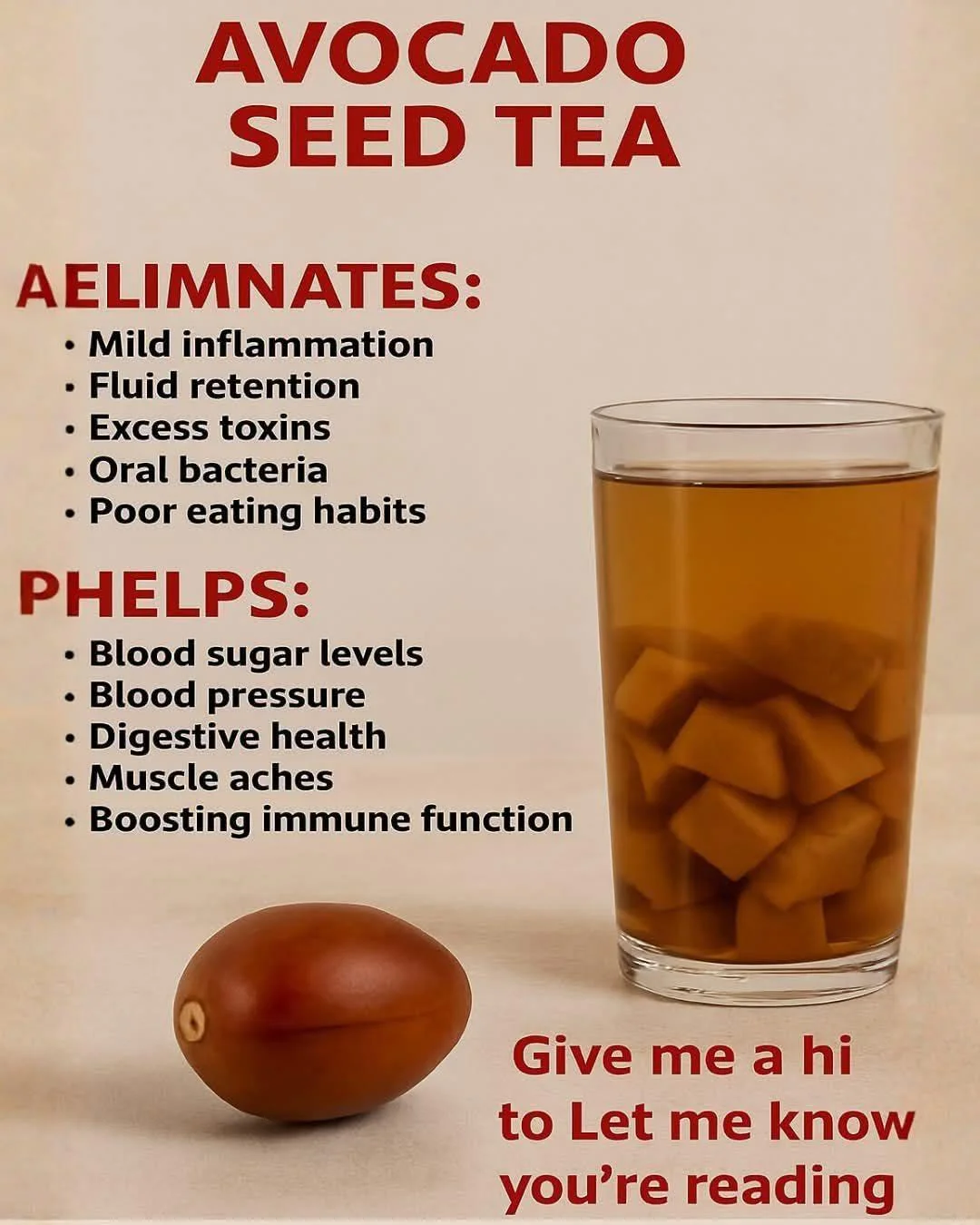
Avocado Seed Tea
The seed is washed, dried, grated, and simmered in water for 10–15 minutes. The resulting tea is very bitter and often combined with herbs like mint or ginger to improve taste.
Avocado Seed Powder
The dried seed is ground into a fine powder and used in extremely small amounts—often less than a pinch—blended into smoothies or warm drinks.
Herbal Infusions
Some people add a small amount of grated seed to herbal teas as part of a broader blend rather than consuming it on its own.
Because avocado seeds are extremely hard and bitter, they should never be consumed raw or in large pieces.
Safety Considerations You Should Not Ignore
This is the most important part of the conversation.
Scientific research on long-term human consumption of avocado seeds is very limited. Some studies suggest the seed may contain compounds that could be harmful in large amounts or with frequent use.
Key precautions include:
- Avoid during pregnancy or breastfeeding
- Avoid if you have an avocado allergy
- Avoid giving avocado seed preparations to children
- Do not combine with medications without medical guidance
- Never consume large quantities
Avocado seeds should never be viewed as a treatment for serious conditions such as high cholesterol, heart disease, or digestive disorders.
Healthier, Proven Steps to Support Your Body
If your goals include better digestion, improved energy, or heart health, the most effective steps are well established:
- Eat a variety of whole fruits and vegetables
- Increase fiber intake from trusted sources
- Stay physically active most days of the week
- Drink enough water throughout the day
- Manage stress and prioritize sleep
- Follow medical advice for diagnosed conditions
These habits provide far greater benefits than any single ingredient ever could.
Tips for Those Curious About Avocado Seeds
- Always prioritize safety over trends
- Start with extremely small amounts, if at all
- Never use avocado seeds daily or long term
- Choose proven foods first for fiber and antioxidants
- Listen to your body and stop if discomfort occurs
- Talk to a healthcare professional before experimenting
Frequently Asked Questions
Are avocado seeds safe to eat?
They are not considered a standard food, and long-term safety in humans has not been well established. Caution and professional guidance are strongly advised.
Do avocado seeds really cleanse the body?
There is no scientific evidence that avocado seeds “detox” the body. The liver and kidneys already perform detoxification naturally.
Can avocado seeds lower cholesterol?
Some early research suggests potential benefits, but there is no strong human evidence. Diet, exercise, and medical care remain the primary tools for cholesterol management.
How do avocado seeds taste?
They are extremely bitter and woody, which is why they are usually dried, ground, and diluted when used.
Is it better to just eat the avocado flesh?
Yes. The flesh is well-studied, safe, and packed with healthy fats, fiber, and nutrients that support heart and overall health.
Final Thoughts
Avocado seeds are an intriguing topic in the world of natural wellness, and they do contain plant compounds that scientists find interesting. However, interest does not equal proof. At this time, avocado seeds should be viewed as experimental—not essential—and certainly not a cure or shortcut to better health.
True wellness is built on consistent, evidence-based habits: nourishing food, movement, rest, stress management, and medical care when needed. If you’re curious about emerging health trends, explore them thoughtfully, stay informed, and always put safety first.