
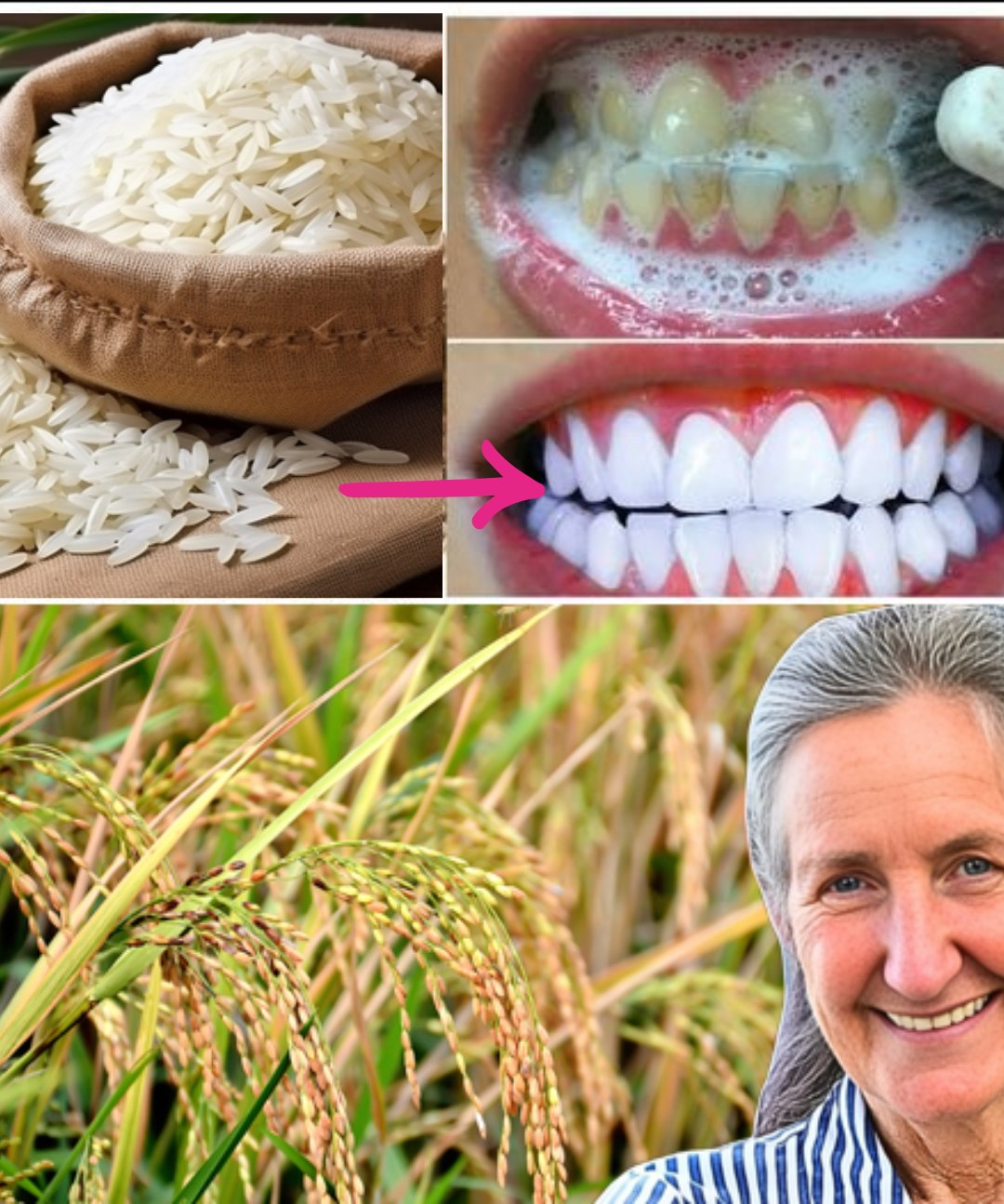
A bright, confident smile can make a lasting impression. While store-bought whitening kits and treatments promise fast results, many people are looking for gentler, more natural alternatives. If you prefer to avoid harsh chemicals and overly abrasive products, a rice-based teeth whitening formula may be a simple option to explore.
Using rice combined with a few common household ingredients, you can create a mild polishing paste designed to help remove surface stains and freshen your mouth. This guide explains how the ingredients work, how to prepare the mixture safely, and how to maintain a healthy smile naturally.
Important Note
This DIY method is intended to help polish away surface stains only. It will not change the natural internal color of your teeth. Always consult a dentist before trying new whitening methods, especially if you have sensitive teeth, enamel erosion, gum problems, or dental restorations.
How Natural Whitening Works
Teeth can become discolored over time due to:
- Coffee and tea
- Red wine
- Soda
- Smoking
- Certain foods like berries and tomato-based sauces
- Poor oral hygiene
Most surface stains sit on the enamel (the outer layer of your teeth). Gentle polishing agents can help reduce this discoloration. Natural whitening methods focus on lifting these stains without using strong bleaching agents like hydrogen peroxide.
The key is moderation and gentleness. Over-scrubbing or frequent acidic exposure can damage enamel, so proper use is essential.
Why Rice Can Help Brighten Teeth
Rice may not be the first ingredient you think of for oral care, but finely ground rice powder can act as a mild polishing agent.
Removes Surface Stains
When ground into a very fine powder, rice has a soft abrasive texture that can help polish away superficial discoloration from coffee, tea, and food.
Gentle Polishing Action
Unlike some harsher whitening powders, finely milled rice is less aggressive when used correctly and sparingly.
Mineral Content
Rice contains small amounts of natural minerals that can support overall oral cleanliness when used as part of a balanced hygiene routine.
Non-Chemical Alternative
Rice offers a simple, additive-free option compared to commercial whitening strips or gels.
Other Natural Ingredients That Support a Brighter Smile
Baking Soda
Baking soda is commonly used in oral care because it:
- Helps neutralize acids in the mouth
- Gently removes surface stains
- Supports a balanced oral pH
Coconut Oil
Coconut oil contains natural antibacterial properties. It can:
- Help reduce plaque buildup
- Support fresher breath
- Moisturize gums
Lemon Juice (Use With Caution)
Lemon juice may help brighten teeth due to its acidic properties, but it must be used carefully and sparingly because acid can weaken enamel if overused.
Activated Charcoal (Optional)
Activated charcoal is often used in natural whitening products to absorb surface stains. However, it should be used occasionally and gently to avoid abrasion.
DIY Rice-Based Teeth Whitening Formula
This homemade paste is simple, affordable, and made with ingredients commonly found in many kitchens.
Ingredients
- 1 tablespoon finely ground rice powder
- ½ teaspoon baking soda
- ½ teaspoon coconut oil
- 1–2 drops lemon juice (optional and minimal)
- 1 teaspoon activated charcoal (optional)
How to Prepare
Grind the Rice
Use a blender, spice grinder, or coffee grinder to grind uncooked rice into a very fine powder. The texture should be soft and smooth to prevent enamel scratching.
Mix the Ingredients
In a small bowl, combine the rice powder and baking soda. Add coconut oil and mix until a smooth paste forms. If using lemon juice, add only 1–2 drops. If adding activated charcoal, stir thoroughly until blended.
Adjust Consistency
If the mixture is too thick, add a small amount of coconut oil. The paste should be spreadable but not runny.
How to Use Safely
Apply Gently
Using a soft-bristled toothbrush or clean fingertip, apply a small amount of the paste to your teeth.
Brush Lightly
Brush in gentle circular motions for no more than 1–2 minutes. Avoid aggressive scrubbing.
Rinse Thoroughly
Rinse your mouth well with warm water.
Follow with Regular Toothpaste
It’s recommended to brush again with regular fluoride toothpaste to protect enamel.
Frequency
Use this method no more than 2–3 times per week to prevent enamel wear.
Benefits of a Natural Approach
Reduced Chemical Exposure
Natural ingredients avoid strong bleaching chemicals that may cause tooth sensitivity.
Lower Risk of Irritation
Gentler components may be better tolerated by individuals with mild sensitivity.
Cost-Effective
The ingredients are affordable and widely available.
Simple and Accessible
You can prepare the mixture in minutes using basic kitchen tools.
Extra Habits for Maintaining a Naturally Brighter Smile
Even the best whitening paste won’t work without consistent oral care habits.
Brush Twice Daily
Use fluoride toothpaste and brush for two minutes each time.
Floss Daily
Flossing removes plaque and food particles between teeth, preventing discoloration.
Drink Water After Staining Foods
Rinsing with water after coffee, tea, or soda can help reduce staining.
Limit Acidic Foods
Frequent exposure to acids can weaken enamel and make teeth more prone to staining.
Use a Straw
Drinking dark beverages through a straw reduces direct contact with teeth.
Schedule Dental Cleanings
Professional cleanings remove hardened plaque (tartar) that cannot be removed at home.
Precautions to Keep in Mind
Do Not Overuse
Excessive use of abrasive ingredients can damage enamel over time.
Avoid If You Have Enamel Erosion
If your enamel is already thin, consult a dentist before trying any whitening method.
Be Careful with Lemon Juice
Acid weakens enamel. Always use minimal amounts and rinse thoroughly.
Stop If You Experience Sensitivity
If you notice increased tooth sensitivity or gum irritation, discontinue use.
Natural vs. Commercial Whitening
Commercial Whitening
Often contains peroxide-based agents
May produce faster results
Can cause sensitivity in some individuals
Natural Whitening
Focuses on surface stain removal
Works gradually
Less likely to cause severe sensitivity when used correctly
Both approaches have their place, but the safest method depends on your dental health and personal preference.
FAQs
Does rice actually whiten teeth?
Finely ground rice may help remove surface stains through gentle polishing, but it does not bleach teeth.
How long before I see results?
Surface brightness may improve gradually after several uses. Results vary depending on staining.
Is baking soda safe for teeth?
When used occasionally and gently, baking soda can help remove stains. Overuse may cause enamel wear.
Can I skip lemon juice?
Yes. Lemon juice is optional and should be used sparingly due to its acidity.
Is activated charcoal necessary?
No. It’s optional and should be used occasionally to avoid abrasion.
Can this replace regular toothpaste?
No. Continue using fluoride toothpaste daily for cavity protection.
Is this safe for kids?
Consult a dentist before using whitening methods on children.
Can I use brown rice instead of white rice?
Yes, as long as it is ground into a very fine powder.
Will this work on deep stains?
This method primarily addresses surface stains, not intrinsic discoloration.
How often should I use it?
Limit use to 2–3 times per week to protect enamel.
Can it damage enamel?
Overuse or aggressive brushing can cause damage. Always use a soft touch and moderate frequency.
Final Thoughts
A brighter smile doesn’t always require expensive treatments or harsh chemical products. A simple rice-based whitening paste, used carefully and occasionally, may help polish away surface stains while supporting fresh breath and oral cleanliness.
However, natural does not automatically mean risk-free. Gentle application, limited frequency, and good overall dental hygiene are essential for protecting enamel and maintaining healthy teeth.