
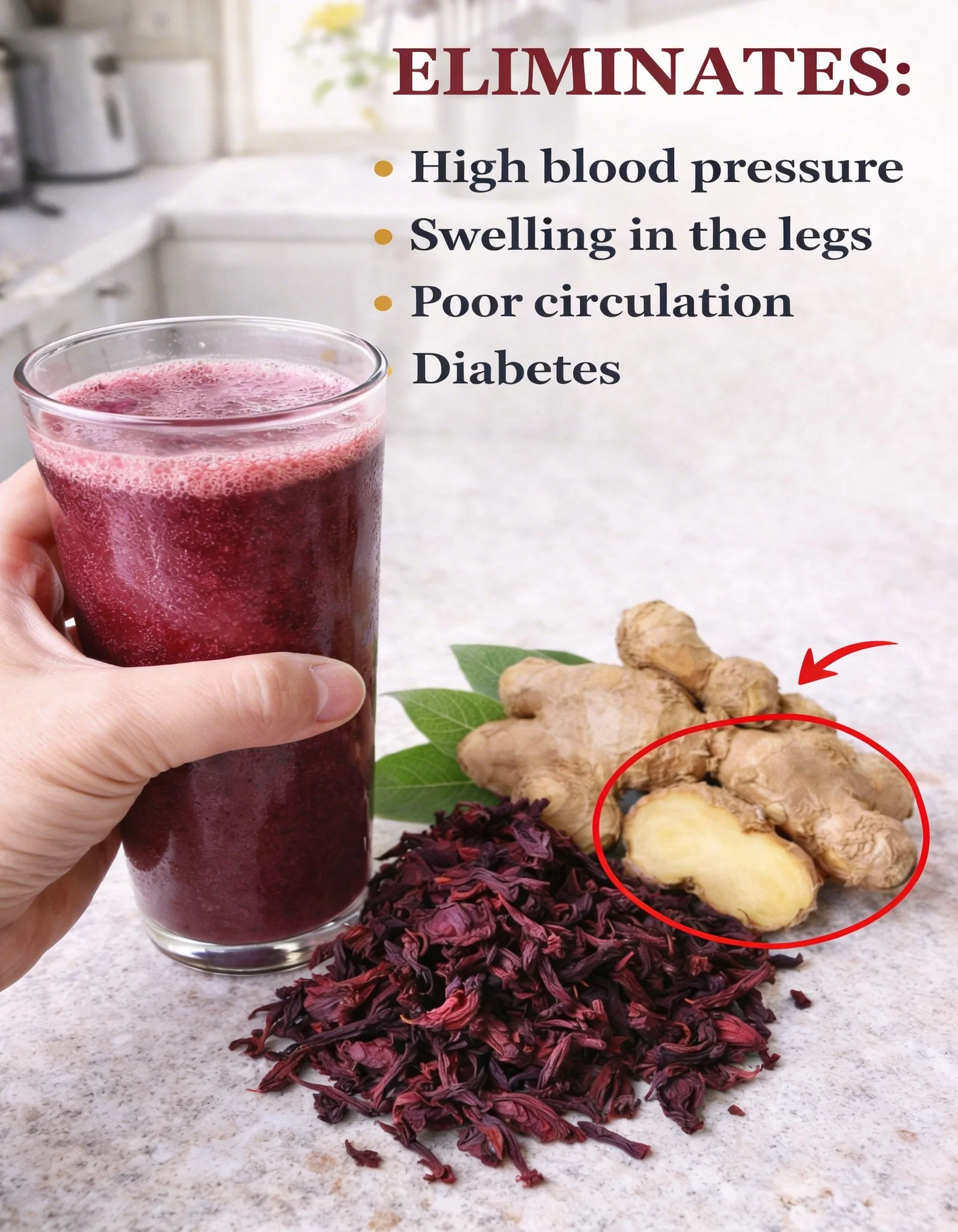
High blood pressure readings. Occasional swelling in the legs. Fluctuating blood sugar. Rising cholesterol numbers.
These concerns can quietly create daily stress. You try to eat better. You attempt to move more. You follow medical advice. Yet sometimes it still feels like your body needs extra support.
While no single drink can replace medical care, certain plant-based ingredients have been studied for their supportive properties when combined with healthy lifestyle habits. One combination that continues to gain attention is a simple infusion made with ginger and hibiscus.
This article explores how this traditional pairing may complement heart-conscious and metabolic wellness routines — and how you can prepare it safely and simply at home.
Why Natural Drink Habits Are Gaining Attention
In recent years, many people have looked for gentle, sustainable daily habits that support cardiovascular and metabolic health without adding complexity.
Health institutions such as the National Institutes of Health have published research examining plant compounds and their physiological effects. Similarly, resources like Harvard Health frequently discuss the role of nutrition and lifestyle in supporting long-term wellness.
Herbal drinks fall into this supportive category. They are not treatments. They are not cures. They are habits that may complement broader lifestyle improvements.
Two ingredients stand out in this conversation:
- Hibiscus
- Ginger
Let’s explore why.
Understanding the Core Ingredients
Hibiscus and Circulatory Support
Hibiscus sabdariffa is commonly used to make a deep red herbal tea from its dried calyces (petal-like structures). Its rich color comes from anthocyanins — antioxidant compounds associated with vascular health.
Several clinical studies have explored hibiscus tea consumption and its relationship with:
- Healthy blood pressure levels
- Vascular relaxation
- Cholesterol balance
Researchers suggest hibiscus may support nitric oxide balance, which plays a role in helping blood vessels relax. When vessels function efficiently, circulation improves, and fluid retention may decrease.
Some studies also note modest improvements in LDL cholesterol and triglyceride levels when hibiscus tea is consumed regularly alongside balanced nutrition.
These effects are supportive, not corrective — but small improvements can compound over time.
Ginger and Metabolic Balance
Ginger has been used in traditional systems for centuries. Most people know it for digestive comfort, but research has expanded into other areas.
Active compounds such as gingerols and shogaols have been studied for their potential roles in:
- Supporting healthy inflammatory responses
- Encouraging balanced blood sugar levels
- Promoting circulation
- Contributing to metabolic stability
Ginger’s warming properties may support blood flow, particularly in individuals who experience cold extremities or mild sluggish circulation.
While ginger is not a substitute for medication, it may serve as a complementary part of a balanced routine focused on metabolic wellness.
The Synergy Between Hibiscus and Ginger
Individually, hibiscus and ginger offer distinct properties. When combined, their antioxidant and circulatory-supporting characteristics may work together.
Hibiscus supports vascular relaxation.
Ginger supports circulation and metabolic balance.
Together, they create a beverage that addresses multiple supportive pathways at once.
This synergy is what makes the combination especially appealing for daily use.
What This Drink Can and Cannot Do
It is important to set realistic expectations.
This drink cannot:
- Cure diabetes
- Eliminate high blood pressure
- Replace cholesterol medication
- Reverse chronic disease
Claims suggesting otherwise are misleading.
However, when incorporated into a balanced routine, this drink may support:
- Healthy blood vessel function
- Normal fluid balance
- Balanced cholesterol markers
- Stable energy metabolism
Support matters. Small habits practiced consistently often produce meaningful long-term results.
How This Drink May Complement Common Health Goals
Supporting Healthy Blood Pressure
Research on hibiscus tea suggests modest improvements in systolic and diastolic readings in adults with mild elevations when consumed consistently.
The effect tends to be gradual and works best alongside:
- Reduced sodium intake
- Regular physical activity
- Stress management
- Adequate hydration
A daily cup becomes part of a broader heart-conscious pattern.
Encouraging Circulation
Mild swelling in the legs or feelings of heaviness can sometimes relate to circulation challenges, especially after prolonged sitting.
Ginger’s warming profile may encourage healthy blood flow. Hibiscus may assist vessel relaxation. Proper hydration also supports circulation, and herbal teas contribute to fluid intake.
Together, these factors may help promote overall vascular comfort.
Supporting Metabolic Wellness
Some studies suggest ginger may contribute to improved insulin sensitivity in certain populations. Hibiscus has also been explored for potential metabolic effects.
Again, these are supportive roles.
They function best alongside:
- Fiber-rich meals
- Regular movement
- Consistent sleep
- Balanced stress levels
No drink overrides poor lifestyle patterns. But it can strengthen healthy ones.
Ingredient Overview
Below is a simplified comparison of each ingredient’s key attributes:
Hibiscus
Primary compounds: Anthocyanins and polyphenols
Potential support areas: Blood vessel function, cholesterol balance, antioxidant activity
Ginger
Primary compounds: Gingerols and shogaols
Potential support areas: Circulation, metabolic balance, digestive comfort
The combination creates a complementary effect rather than relying on one single mechanism.
How to Prepare a Ginger and Hibiscus Wellness Drink
Ingredients
- 1 tablespoon dried hibiscus petals
- 3 to 4 thin slices fresh ginger
- 2 cups water
- Optional lemon slice
- Optional small amount of raw honey
Preparation Steps
Step 1: Heat the Water
Bring water to a gentle boil. Avoid aggressive boiling to preserve delicate compounds.
Step 2: Add Ingredients
Add dried hibiscus petals and ginger slices to the hot water.
Step 3: Steep
Cover and allow to steep for 10 to 15 minutes.
Longer steeping produces a stronger flavor.
Step 4: Strain
Strain into a cup to remove solids.
Step 5: Customize
Add lemon or a small amount of honey if desired.
You may enjoy this drink warm or chilled. Some prefer preparing a larger batch and storing it in the refrigerator for up to 48 hours.
Consistency matters more than quantity. One to two cups daily is commonly referenced in research settings, though individual tolerance varies.
Tips to Maximize Supportive Benefits
Pair It With Movement
Drink it before or after a 20-minute brisk walk. Physical activity enhances circulation and supports glucose balance.
Replace Sugary Drinks
Swap one daily sweetened beverage with this herbal infusion. Reducing added sugar alone can significantly benefit metabolic health.
Monitor Your Health Metrics
If you track blood pressure, cholesterol, or blood sugar, observe trends over several weeks while maintaining your medical care plan.
Prioritize Whole Foods
Combine this drink with meals rich in:
- Leafy greens
- Lean proteins
- Whole grains
- Healthy fats such as olive oil
Stay Consistent
The true value lies in daily repetition. Sporadic use rarely produces noticeable patterns.
Who Should Use Caution
Hibiscus may influence blood pressure levels. Ginger can have mild blood-thinning properties.
Consult a healthcare professional before regular use if you:
- Take blood pressure medication
- Use blood thinners
- Are pregnant
- Have kidney conditions
- Manage complex metabolic disorders
Safety should always guide wellness decisions.
The Bigger Picture of Heart and Metabolic Wellness
Conditions such as high blood pressure and metabolic imbalance develop gradually. They rarely appear overnight.
Improvement often follows the same pattern.
Gradual. Steady. Consistent.
Research consistently shows that combined lifestyle strategies are more effective than isolated actions. These include:
- Balanced nutrition
- Regular movement
- Quality sleep
- Stress reduction
- Proper hydration
A ginger and hibiscus drink can fit naturally within this broader framework.
The real benefit is not dramatic change. It is reinforcement of healthy habits. When you prepare this drink daily, you are making a small, intentional decision to support your body.
Those decisions compound over time.
Frequently Asked Questions
Can this drink replace medication for blood pressure or blood sugar?
No. This drink is not a substitute for prescribed medication or professional medical care. It may support overall wellness but must be used alongside medical guidance.
How long does it take to notice supportive effects?
Supportive changes from dietary habits typically develop gradually over several weeks. Consistency is more important than short-term use.
Is it safe to drink daily?
For most healthy adults, moderate daily consumption is generally considered safe. However, personal health conditions and medications require professional advice.
Can I drink it cold?
Yes. Hibiscus tea is commonly consumed chilled. Store in the refrigerator for up to 48 hours.
Can I increase the amount of ginger?
You may adjust ginger according to taste. Start small to assess tolerance, especially if you have a sensitive stomach.
Final Thoughts
If health numbers feel overwhelming, remember this: sustainable progress often begins with small daily rituals. A ginger and hibiscus infusion can serve as one supportive habit within a heart-conscious and metabolic-aware lifestyle.
The power is not in the cup alone.
It is in the consistency, intention, and broader lifestyle choices that surround it.