
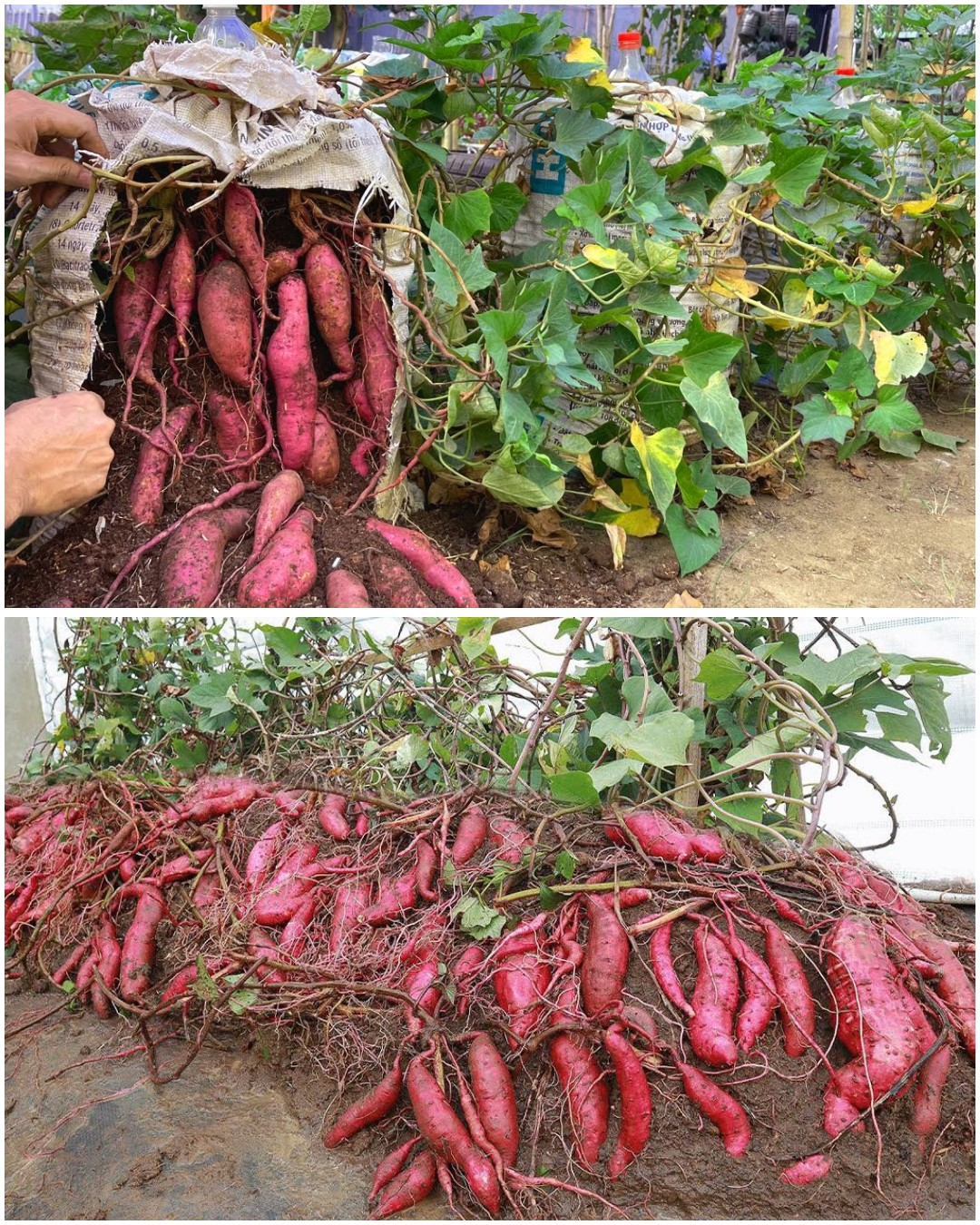
Growing sweet potatoes at home is one of the most rewarding gardening experiences you can have. These vibrant, nutrient-rich root vegetables are not only delicious but also surprisingly easy to grow. Even if you lack garden space or have poor soil quality, you can still produce an abundant harvest by planting sweet potatoes in soil bags.
Using soil bags or grow bags allows gardeners to control soil quality, improve drainage, and grow vertically in compact areas like patios, balconies, or small backyards. This method is beginner-friendly, space-efficient, and highly productive when done correctly.
In this comprehensive guide, you’ll learn everything you need to know about cultivating sweet potatoes in soil bags—from selecting materials to harvesting, curing, and storage.
Why Grow Sweet Potatoes in Soil Bags?
Growing sweet potatoes in soil bags offers several advantages:
- Ideal for small spaces
- Excellent drainage control
- Fewer soil-borne pests and diseases
- Easier harvesting
- Better soil management
- Portable and flexible placement
Soil bags also warm up faster in the spring, which sweet potatoes love since they thrive in warm conditions.
Understanding Sweet Potatoes
Sweet potatoes (Ipomoea batatas) are warm-season root vegetables that produce sprawling vines and underground tubers. Unlike regular potatoes, they grow from slips, which are young rooted sprouts grown from mature sweet potatoes.
They require:
- Warm soil (at least 60°F / 16°C)
- Full sun
- Loose, well-draining soil
- Consistent moisture
When grown properly, each slip can produce multiple tubers.
Essential Materials
Before starting your sweet potato project, gather the following:
- Sweet potato slips (young rooted plants)
- Large soil bags or grow bags (15–25 gallons recommended)
- High-quality potting soil or compost and garden soil mix
- Watering can or hose with gentle spray nozzle
- Balanced fertilizer for root vegetables
- Garden trowel or hand spade
- Mulch (straw or dry leaves)
- Stakes or trellises (optional)
Choosing high-quality materials from the start makes a significant difference in your final harvest.
Choosing the Ideal Location
Sweet potatoes require full sun for optimal growth. Select a location that receives at least 6–8 hours of direct sunlight per day.
Good placement options include:
- Patios
- Decks
- Balconies
- Driveways
- Open garden spaces
Ensure the location has good airflow and protection from strong winds. Because grow bags drain quickly, avoid areas where water pools after rain.
Preparing the Soil Bags
Selecting the Right Bag Size
Choose bags that hold at least 15 gallons of soil. Larger bags (20–25 gallons) allow more room for tuber development and result in bigger harvests.
Creating the Ideal Soil Mix
Sweet potatoes prefer loose, well-draining, slightly sandy soil. Avoid heavy clay soil, as it restricts root development.
You can use:
- High-quality potting mix
Or make your own blend:
- 50% compost
- 40% garden soil
- 10% coarse sand or perlite
This combination ensures aeration and proper drainage.
Filling the Bags
Fill each bag, leaving 2–3 inches of space at the top. Do not compact the soil too tightly—loose soil encourages tuber expansion.
Planting Sweet Potato Slips
What Are Slips?
Slips are sprouts grown from mature sweet potatoes. They already have roots and are ready to be planted once soil temperatures are consistently warm.
How to Plant Slips
- Make a hole 4–6 inches deep in the soil.
- Place the slip vertically with roots downward.
- Cover the roots and lower stem with soil.
- Leave the leafy portion above the surface.
Spacing
In large grow bags, plant 2–3 slips per 20-gallon bag. Space them about 12–18 inches apart to give tubers room to form.
Water gently after planting to help roots settle.
Proper Watering Techniques
Sweet potatoes need consistent moisture but do not tolerate waterlogged soil.
Watering Guidelines
- Water immediately after planting.
- Keep soil evenly moist during early growth.
- Avoid soaking the soil excessively.
- Water early in the morning when possible.
As harvest time approaches (about 2–3 weeks before harvesting), reduce watering slightly to prevent tuber splitting.
Fertilization
Sweet potatoes are not heavy feeders but benefit from moderate fertilization.
When to Fertilize
- Apply balanced fertilizer 2–3 weeks after planting.
- Repeat every 4–6 weeks during the growing season.
Choose a fertilizer lower in nitrogen and higher in phosphorus and potassium. Too much nitrogen encourages vine growth rather than tuber production.
Always follow package instructions carefully.
Supporting and Managing Vines
Sweet potato vines can spread several feet. In small spaces, consider using:
- Stakes
- Trellises
- Vertical supports
Gently tie vines as they grow. This helps:
- Save space
- Improve air circulation
- Make harvesting easier
Alternatively, allow vines to trail naturally around the grow bag.
Mulching for Moisture Control
Mulch plays an important role in maintaining soil health.
Benefits of Mulching
- Conserves moisture
- Reduces weeds
- Regulates soil temperature
- Prevents erosion
Use straw, dried leaves, or similar organic material. Apply around the base but avoid direct contact with stems to prevent rot.
Monitoring Growth
Over the growing season, you’ll notice:
- Rapid vine expansion
- Dense green foliage
- Thickening stems
Avoid disturbing the soil unnecessarily, as tubers are developing underground.
Watch for signs of stress:
- Yellowing leaves (nutrient imbalance)
- Wilting (underwatering)
- Rot (overwatering)
Adjust care accordingly.
Harvesting Sweet Potatoes
Sweet potatoes are typically ready for harvest 100–120 days after planting, depending on variety and climate.
Signs They’re Ready
- Leaves begin to yellow
- Vines slow growth
- Cooler autumn temperatures approach
How to Harvest in Soil Bags
One major advantage of grow bags is easy harvesting:
- Gently tip the bag onto a tarp or soft surface.
- Carefully brush away soil.
- Lift tubers gently to avoid bruising.
Handle sweet potatoes carefully, as fresh tubers bruise easily.
Curing Sweet Potatoes
Curing improves flavor and storage life.
Curing Process
- Place sweet potatoes in a warm area (80–90°F / 27–32°C).
- Maintain high humidity (85–90%).
- Cure for 10–14 days.
This process allows skins to toughen and minor cuts to heal.
Storage
After curing:
- Store in a cool, dark, well-ventilated space.
- Ideal temperature: 55–60°F (13–16°C).
- Do not refrigerate.
Properly cured sweet potatoes can last several months.
Benefits of Growing Sweet Potatoes at Home
- High nutritional value
- Excellent source of fiber and vitamins
- Chemical-free harvest
- Cost-effective
- Sustainable gardening option
Growing them in soil bags makes this nutritious crop accessible to nearly anyone.
Common Mistakes to Avoid
- Planting too early in cold soil
- Overwatering
- Using compacted soil
- Over-fertilizing with nitrogen
- Harvesting too roughly
Avoiding these mistakes greatly increases success.
Tips for Success
Choose Warm Weather
Wait until soil temperatures are consistently warm before planting.
Use Large Bags
Bigger containers mean larger harvests.
Avoid Disturbing Soil
Let tubers develop undisturbed.
Reduce Water Before Harvest
This improves flavor and prevents cracking.
Rotate Crops
Avoid planting sweet potatoes in the same soil repeatedly to reduce disease risk.
Provide Good Drainage
Ensure grow bags have proper drainage holes.
Start with Healthy Slips
Strong slips lead to stronger plants.
FAQs
Can I grow sweet potatoes from store-bought sweet potatoes?
Yes, you can sprout slips from organic sweet potatoes at home.
How many sweet potatoes does one slip produce?
Each slip can produce several tubers, depending on care and growing conditions.
Do sweet potatoes need full sun?
Yes, they require at least 6–8 hours of sunlight daily.
Can I grow sweet potatoes indoors?
They need strong light and warmth, so indoor growing requires grow lights and sufficient space.
How often should I water?
Keep soil evenly moist but never soggy.
Why are my sweet potatoes small?
Possible reasons include overcrowding, poor soil, or excessive nitrogen fertilizer.
Can I reuse soil from grow bags?
Yes, but refresh it with compost and nutrients before replanting.
How long does it take to grow sweet potatoes?
Typically 100–120 days from planting slips to harvest.
Is mulching necessary?
While not mandatory, mulching improves moisture retention and soil health.
Can I grow them in cooler climates?
Yes, but plant after the last frost and ensure a long enough warm season.
Final Thoughts
Cultivating sweet potatoes in soil bags is a practical, efficient, and rewarding way to grow this nutritious root vegetable—even if you have limited space or less-than-perfect soil conditions. With proper sunlight, well-draining soil, consistent watering, and a little patience, you can enjoy a generous harvest right from your patio or backyard.
By following this comprehensive guide, you’ll be well on your way to producing flavorful, homegrown sweet potatoes that store beautifully and taste far better than store-bought varieties. Happy gardening!