
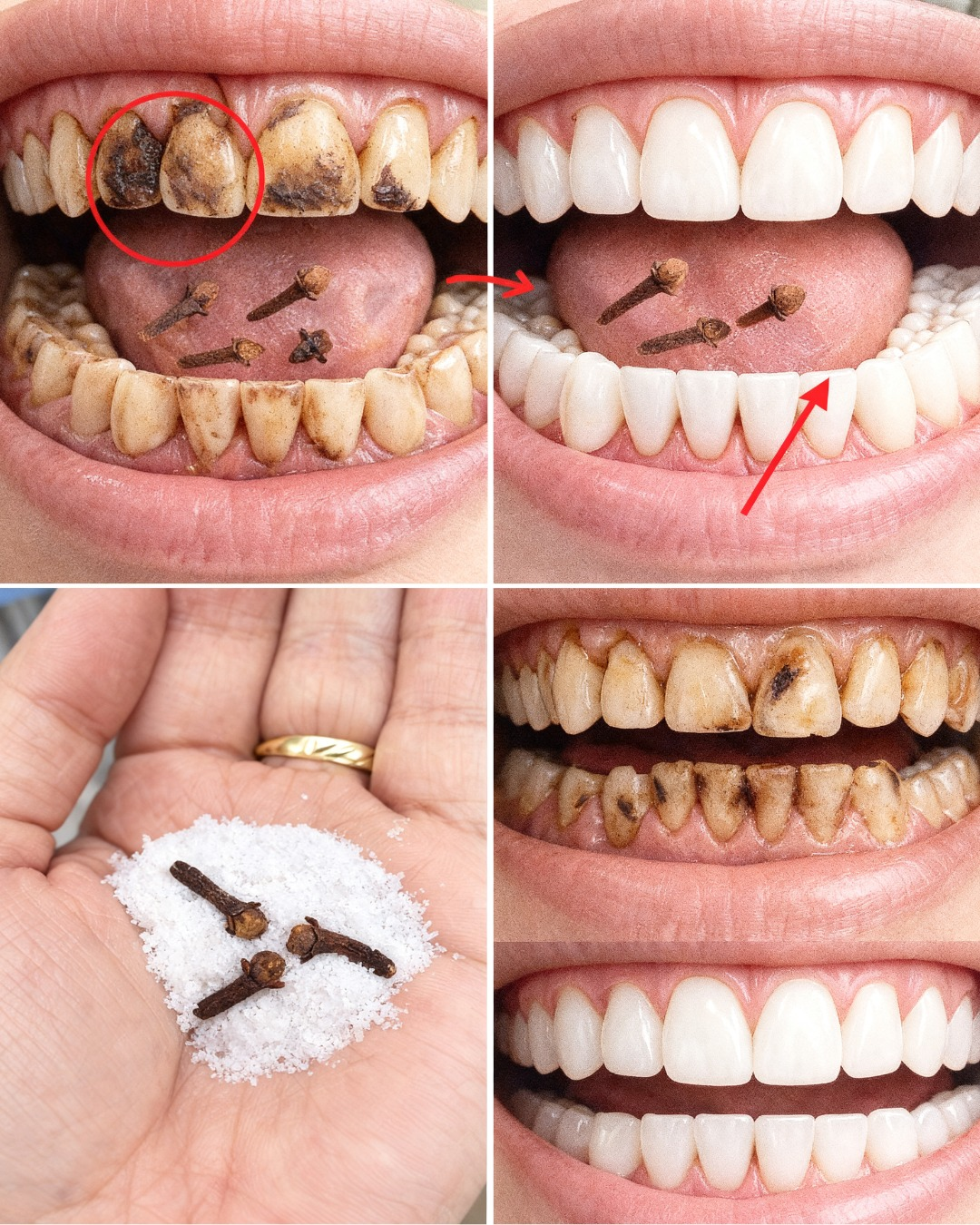
Plaque buildup affects millions of adults. It can lead to tartar formation, bad breath, gum sensitivity, and that rough feeling on teeth that does not disappear even after brushing. When plaque hardens into tartar (also called calculus), it becomes much more difficult to remove at home. Over time, this may increase the risk of gum inflammation and the need for professional dental procedures.
Many people feel frustrated. You brush. You floss. You try to limit coffee or sugary snacks. Yet plaque still forms. The good news is that small, supportive habits using everyday items can complement your regular oral care routine.
These natural approaches are not replacements for dental cleanings. Instead, they help manage plaque before it hardens. When used consistently and gently, they can support a smoother, fresher smile.
Why Plaque and Tartar Build Up So Easily
Dental plaque is a sticky film made of bacteria, food particles, and saliva. It forms constantly on teeth. If not removed thoroughly, it begins to mineralize within 24 to 72 hours. Once hardened, it becomes tartar.
Tartar creates rough surfaces. These rough patches attract even more plaque. This cycle can lead to:
- Persistent bad breath
- Gum redness or tenderness
- Increased staining
- Higher risk of dental interventions
Age, diet, stress, and dry mouth all contribute to buildup. The key strategy is simple: reduce plaque before it turns into tartar.
Core Foundations That Matter Most
Before adding natural supports, strengthen these daily basics. They form the foundation of oral health.
Brush Properly Twice Daily
Use a soft-bristled toothbrush. Brush for two full minutes using small circular motions. Focus along the gumline where plaque collects.
Avoid aggressive scrubbing. Gentle pressure removes plaque without damaging enamel.
Floss or Use Interdental Tools Daily
Brushing alone cannot clean between teeth. Flossing removes plaque from tight spaces where tartar often begins.
Water flossers or interdental brushes can be helpful alternatives.
Stay Hydrated and Watch Your Diet
Water helps rinse away debris and supports saliva production. Saliva naturally protects teeth.
Reduce frequent sugary snacks and acidic beverages. Crunchy fruits and vegetables such as apples and carrots can act as gentle natural scrubbers.
Research consistently shows that these habits combined with professional cleanings provide the strongest defense against buildup.
9 Gentle Natural Approaches to Support Plaque Control
These methods may help soften plaque or support bacterial balance. Use them carefully and in moderation.
1. Coconut Oil Pulling
Swish one tablespoon of coconut oil in your mouth for 10 to 15 minutes, ideally in the morning before brushing.
Coconut oil contains lauric acid, which has antimicrobial properties. Some studies suggest oil pulling may reduce plaque and improve gum health.
Start with five minutes if you are new. Spit the oil into a trash bin, not the sink.
2. Baking Soda Paste (Use Sparingly)
Mix a small pinch of baking soda with water to create a paste. Brush gently two to three times per week.
Baking soda is mildly abrasive and may help remove surface plaque. It also neutralizes acids in the mouth.
Avoid daily use, as overuse can gradually wear enamel.
3. Clove for Soothing Support
Crush a clove and mix with a small amount of olive oil. Apply gently to gums for a few minutes before rinsing.
Cloves contain eugenol, known for its soothing and antibacterial properties. It may help reduce oral bacteria and mild gum discomfort.
Always dilute clove oil to prevent irritation.
4. Aloe Vera Gel Massage
Apply pure aloe vera gel to teeth and gums. Massage gently and rinse after a few minutes.
Aloe vera contains anti-inflammatory and antibacterial compounds. Some studies suggest it may support gum comfort and reduce plaque accumulation.
Choose food-grade or oral-safe aloe gel without added sugars.
5. Vitamin C-Rich Foods Like Tomatoes
Eating fresh tomatoes, strawberries, or bell peppers provides vitamin C, which supports healthy gum tissue.
Vitamin C helps maintain collagen in gum tissue. Healthy gums create a tighter seal around teeth, reducing plaque accumulation near the gumline.
Whole foods are preferable to acidic juices.
6. Diluted Lemon Rinse (Very Sparingly)
Mix one part fresh lemon juice with three parts water. Swish for 30 seconds, then rinse thoroughly.
Use no more than once or twice per week. Lemon’s acidity can weaken enamel if overused.
Wait at least 30 minutes before brushing after any acidic rinse.
7. Saltwater Rinse
Dissolve half a teaspoon of salt in warm water. Swish for 30 seconds daily.
Saltwater supports bacterial balance and soothes irritated gums. This traditional method is simple and widely used.
8. Cheese After Meals
Eating a small piece of cheese after meals stimulates saliva production. Saliva helps neutralize acids and wash away debris.
Some research suggests dairy may help protect enamel and reduce decay risk.
9. Sugar-Free Xylitol Gum
Chewing xylitol-sweetened gum for 15 to 20 minutes after meals boosts saliva flow.
Xylitol may also help reduce harmful bacteria levels in the mouth.
Choose gum without added sugars.
How to Combine These Approaches Realistically
Trying all nine at once can feel overwhelming. Instead, combine them strategically.
Example weekly routine:
- Daily: Brush, floss, saltwater rinse
- 3 times per week: Coconut oil pulling
- 2 times per week: Baking soda brushing
- After meals: Cheese or sugar-free gum
- Weekly: Aloe vera massage
Small additions build momentum without overwhelming your routine.
Tips for Best Results
- Replace your toothbrush every three months.
- Wait 30 minutes after acidic foods before brushing.
- Avoid aggressive scrubbing.
- Introduce one or two new habits at a time.
- Take weekly mirror photos to monitor changes.
- Schedule professional cleanings every six months.
- Drink water after coffee or tea to reduce staining.
Consistency beats intensity.
What These Methods Cannot Do
Natural approaches can help manage plaque. They cannot remove hardened tartar. Only professional scaling by a dental professional can eliminate tartar once it forms.
Think of these strategies as prevention tools rather than correction tools.
The Mindset Shift That Makes Prevention Easier
Many people view oral care as a chore. That mindset leads to shortcuts.
Instead, see oral hygiene as a daily investment. Two minutes of brushing twice per day equals less than 30 hours per year. That small time commitment protects your smile, comfort, and confidence.
When oral care becomes automatic, plaque control feels effortless.
Frequently Asked Questions
Can natural remedies completely remove tartar?
No. Tartar is hardened plaque and requires professional dental scaling for removal. Natural methods help reduce plaque before it hardens.
How often should I visit a dentist?
Most adults benefit from professional cleanings every six months. Some individuals may require more frequent visits based on personal needs.
Is baking soda safe for enamel?
When used occasionally and gently, baking soda is generally considered safe. Overuse can wear enamel over time.
Does oil pulling replace brushing?
No. Oil pulling may support bacterial balance but does not replace brushing and flossing.
Are acidic rinses like lemon safe?
Only when heavily diluted and used infrequently. Always rinse thoroughly and wait before brushing.
Final Thoughts
Plaque buildup is common. Tartar formation can feel frustrating. But prevention does not require complicated or expensive solutions.
By strengthening your brushing and flossing routine and adding one or two gentle natural supports, you can reduce plaque accumulation and support fresher breath.
The real transformation comes from consistency. Small daily actions compound into noticeable improvements.
Thirty days from now, you could experience smoother teeth, less fuzzy film, and greater confidence in your smile.
Start with one method this week. Build gradually. Stay consistent.
And remember, natural support works best when combined with professional dental care and personalized advice from your dentist.