
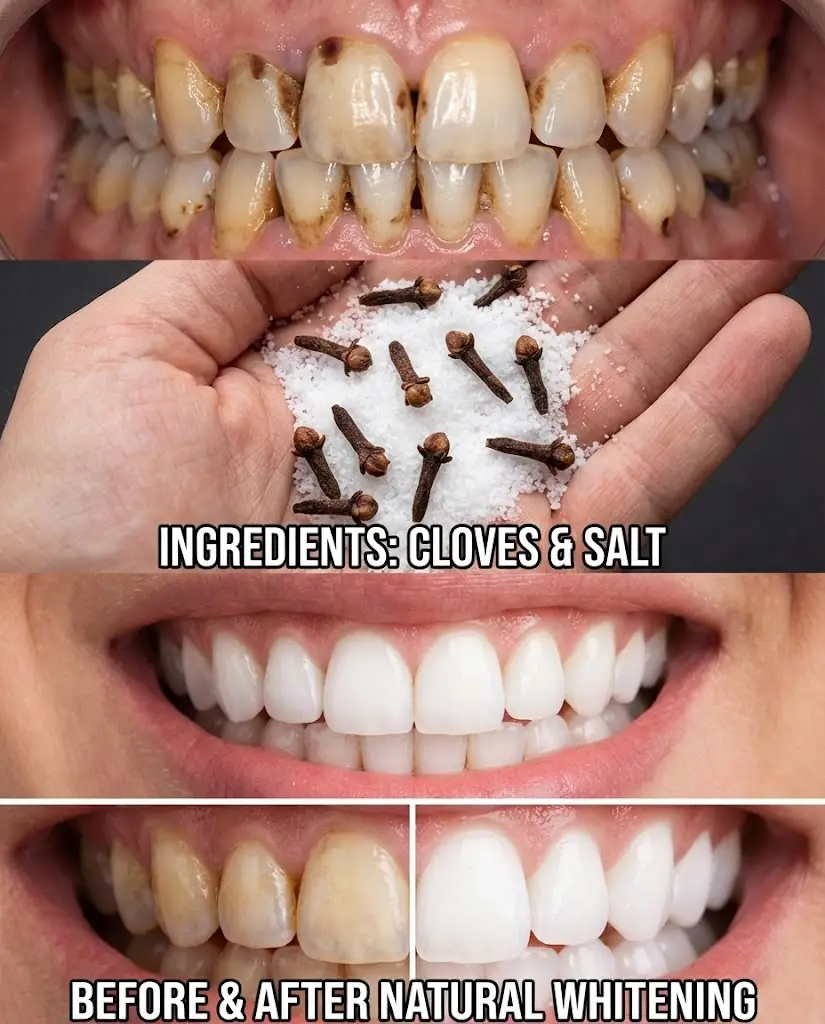
Plaque rarely announces itself dramatically. It builds quietly — a soft, sticky biofilm that settles on your teeth every day. At first, you may only notice a slightly “fuzzy” feeling by evening. Maybe your breath feels less fresh. Maybe your gums seem a little irritated.
Then one day, you run your tongue across your teeth and realize they don’t feel as smooth as they used to.
Here’s the key: plaque is soft and manageable. But once it hardens into tartar (also called calculus), it bonds firmly to the teeth and typically requires professional removal.
The goal at home isn’t to scrape tartar off yourself. The goal is to:
Reduce plaque daily
Slow tartar formation
Support gum health
Protect enamel
And you can do that gently — without harsh scrubs, abrasive charcoal, or acidic “quick fixes” that leave your teeth sensitive.
Below you’ll find nine realistic, enamel-friendly strategies that support cleaner teeth and healthier gums when used consistently.
Understanding Plaque vs. Tartar
Before diving into solutions, it helps to understand what you’re managing.
What Is Plaque?
Plaque is a soft, sticky film made of bacteria, food particles, and saliva proteins. It forms constantly — even a few hours after brushing.
If not removed regularly, plaque can:
Irritate gums
Contribute to bad breath
Lead to cavities
Harden into tartar
What Is Tartar?
Tartar is plaque that has mineralized due to contact with saliva minerals. Once hardened, it cannot be removed safely with a toothbrush.
Home care reduces plaque.
Professional cleanings remove tartar.
That’s why consistency matters more than intensity.
Why “Quick Fixes” Often Backfire
It’s tempting to reach for gritty whitening pastes, strong peroxide rinses, or acidic DIY hacks.
But here’s the problem:
Over-scrubbing wears enamel.
Excess acid softens enamel.
Harsh abrasives increase sensitivity.
Teeth don’t need aggression — they need consistency.
Think of plaque like daily dust settling on furniture. You don’t attack it with sandpaper. You wipe it away gently and regularly.
Now let’s explore the nine gentle methods that actually help.
Brushing Technique and Timing
This is the foundation of everything.
A soft-bristle toothbrush used properly can remove most daily plaque before it hardens.
How to Do It Correctly
Use a soft-bristle brush
Brush for a full two minutes
Use gentle circular motions
Angle the brush slightly toward the gumline
Avoid scrubbing aggressively
If you’ve consumed acidic foods or drinks (like citrus or soda), wait about 30 minutes before brushing. Brushing immediately after acid exposure can increase enamel wear.
This simple adjustment alone can dramatically improve plaque control.
Daily Interdental Cleaning
Plaque loves tight spaces between teeth. A toothbrush can’t reach those areas effectively.
That’s where floss or interdental tools come in.
Options Include
Traditional floss
Interdental brushes
Soft picks
Water flossers
Aim for at least five times per week — ideally daily.
If you only adopt one habit from this article, make it this one. Between-teeth cleaning is one of the strongest defenses against plaque buildup and gum irritation.
Hydration and Saliva Support
Saliva is your mouth’s natural cleansing system.
It helps:
Wash away food particles
Neutralize acids
Limit bacterial growth
Dry mouth allows plaque to feel thicker and stickier.
Simple Hydration Habits
Drink a full glass of water after coffee
Rinse with water after meals
Stay hydrated throughout the day
This may seem too simple — but it’s one of the most underrated plaque-control tools.
Saltwater Rinses for Gum Comfort
If your gums feel irritated, a mild saltwater rinse can help create a soothing environment.
How to Prepare
Mix a small pinch of salt in warm water
Swish gently for 20–30 seconds
Spit out
Use occasionally — not multiple times daily.
Stronger isn’t better here. Highly concentrated salt solutions can irritate tissue.
Crunchy Fruits and Vegetables
Crisp apples, carrots, and celery provide mild mechanical cleaning.
They may help:
Disrupt soft plaque
Stimulate saliva flow
Refresh breath
This doesn’t replace brushing, but adding a crunchy snack after lunch can support your overall routine.
Oil Pulling with Coconut Oil
Oil pulling is a traditional practice that involves swishing oil in the mouth for several minutes.
Some research suggests it may reduce certain oral bacteria and improve the feeling of a “coated” mouth.
How to Try It Safely
Use 1 tablespoon of coconut oil
Swish gently for 5–10 minutes
Spit into trash (not sink)
Brush normally afterward
Do not swallow the oil.
It’s not a replacement for brushing or flossing — but some people find it helpful as a comfort ritual that reinforces consistency.
Baking Soda (Occasional Use Only)
Baking soda can neutralize acids and gently polish surface plaque.
But frequency matters.
Safe Use Method
Mix a small pinch with water
Brush lightly for 30–45 seconds
Rinse
Follow with fluoride toothpaste
Limit to once or twice per week.
Overuse can increase sensitivity.
Vitamin C–Rich Foods for Gum Support
Healthy gums support plaque control.
Vitamin C plays a role in collagen production, which helps maintain gum tissue integrity.
Include foods like:
Bell peppers
Tomatoes
Berries
Leafy greens
While diet won’t remove tartar, it supports a resilient oral environment.
Avoid Stacking Acidic “Natural” Hacks
Citrus peels, vinegar rinses, and lemon water are often promoted for whitening.
While acids may temporarily disrupt biofilm, repeated exposure softens enamel and increases sensitivity.
If you experiment with acidic methods:
Keep them rare
Rinse with water afterward
Wait before brushing
Do not combine multiple acidic practices in one day
Enamel does not regenerate — protect it carefully.
The “One Add-On at a Time” Rule
More is not better.
Instead of layering multiple natural methods daily, choose one supportive habit and stick with it.
Here are three simple combinations:
Daily freshness: brushing technique + interdental cleaning + hydration
Comfort support: gentle brushing + saltwater rinse as needed
Surface polish: occasional baking soda + regular toothpaste
Consistency beats intensity every time.
The 7-Day Smoother Teeth Challenge
For one week:
Brush gently twice daily for two full minutes
Clean between teeth five nights
Drink an extra glass of water after coffee or dinner
Add either saltwater rinse or oil pulling
Avoid acidic stacking
Each evening, rate:
Tooth smoothness (1–10)
Breath confidence (1–10)
Small improvements signal that your routine is working.
If there’s no improvement, it may be time for a professional cleaning.
When Home Care Isn’t Enough
If you notice:
Heavy visible tartar
Persistent gum bleeding
Loose teeth
Ongoing bad breath despite good hygiene
Professional dental care is essential.
Home methods help prevent buildup — they do not replace professional tools for hardened tartar.
Tips for Protecting Enamel While Managing Plaque
Use soft-bristle brushes only
Avoid aggressive scrubbing
Limit acidic experiments
Wait after acidic foods before brushing
Replace toothbrush every 3 months
Don’t skip flossing even when tired
Choose consistency over intensity
Be patient — habits compound over time
Your enamel will thank you.
Frequently Asked Questions
Can natural methods remove tartar completely?
No. Once plaque hardens into tartar, professional removal is typically required. Natural methods help prevent further buildup.
Is baking soda safe for daily use?
Daily use is not recommended. Limit to once or twice weekly to avoid enamel wear.
Does oil pulling replace brushing?
No. Oil pulling may support freshness but does not replace brushing and interdental cleaning.
Are acidic rinses safe?
Frequent acid exposure can soften enamel. If used at all, keep it rare and avoid brushing immediately afterward.
How long does it take to notice smoother teeth?
Some people notice changes within a few days of consistent brushing and interdental cleaning.
What’s the most important habit?
Daily interdental cleaning combined with proper brushing technique.
Does plaque form even if I brush daily?
Yes. Plaque forms constantly. That’s why daily removal is essential.
Final Thoughts
Your smile doesn’t need extreme hacks or harsh treatments. It needs gentle, consistent care.
Plaque builds quietly — and it clears quietly too.
Small habits done daily:
Protect enamel
Support gums
Improve breath
Reduce tartar formation
Instead of chasing dramatic overnight results, commit to one foundational change today.