
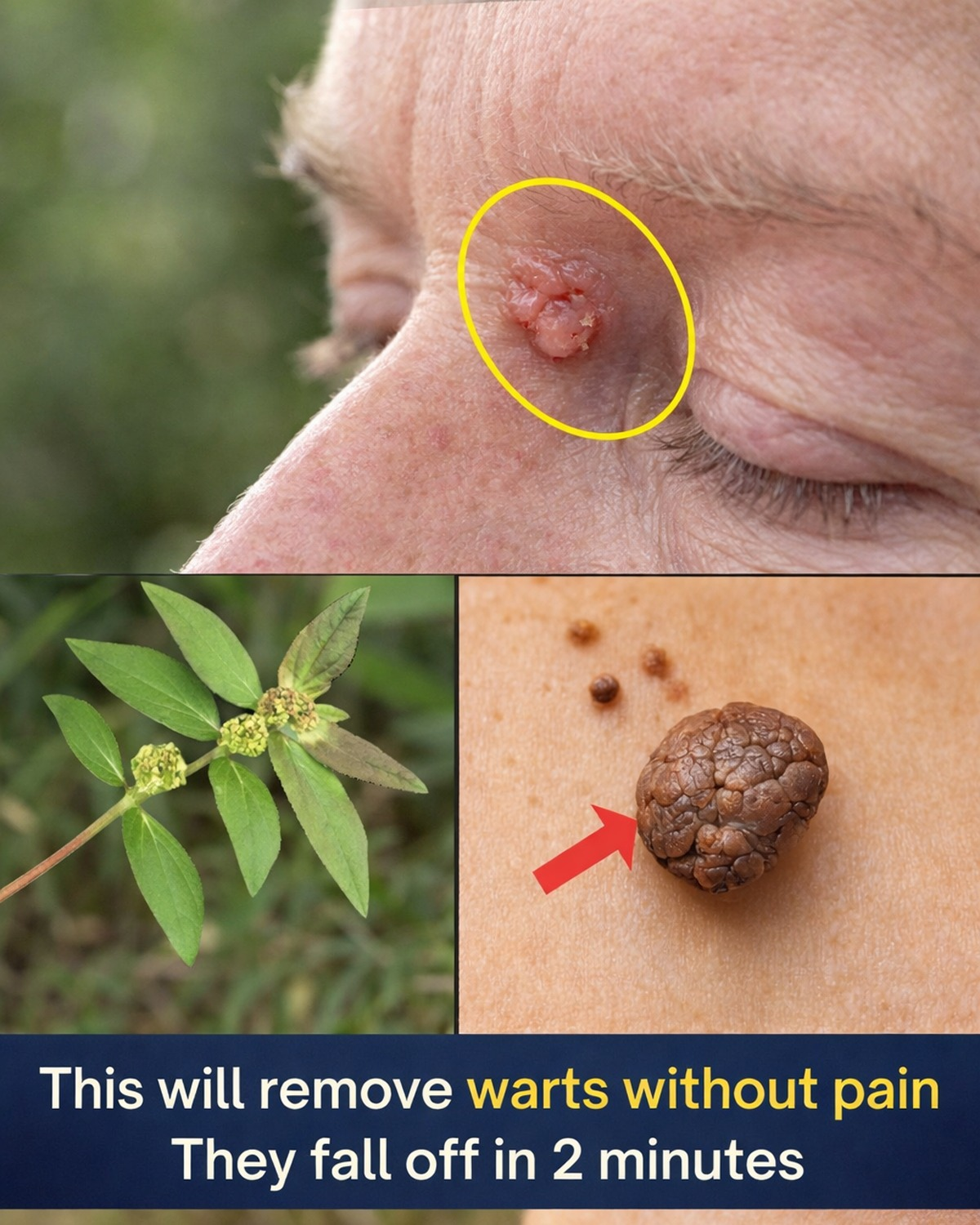
Warts are far more common than most people realize. Health surveys suggest that around 10–20% of people experience warts at some point in their lives, with children, teens, and young adults being especially affected. Even though warts are generally harmless, they can be uncomfortable, embarrassing, and stubbornly persistent. Seeing rough bumps on your hands, feet, or other visible areas can affect confidence and daily comfort more than many expect.
Imagine looking down at your hands or feet and seeing smoother, clearer skin again. No more hiding your hands in conversations or avoiding sandals because of painful plantar warts. While medical treatments like freezing or prescription acids are effective for many people, others look for gentler, natural approaches that may support the skin and the body’s own healing process.
This article explores seven natural approaches that are commonly discussed for wart management and skin comfort. These methods are rooted in tradition, everyday household practices, or limited scientific observations. None are guaranteed cures, and results vary widely from person to person. However, understanding how they work, their potential benefits, and their risks can help you make more informed and safer choices.
Why Warts Happen and Why They Can Be So Stubborn
Warts are caused by certain strains of the human papillomavirus, commonly known as HPV. This virus enters the body through tiny cuts or breaks in the skin and thrives in warm, moist environments. That is why warts often appear on hands, fingers, feet, and around nails. Once the virus triggers extra growth of skin cells, a wart forms.
One of the most frustrating aspects of warts is how unpredictable they are. Some disappear on their own within months, while others linger for years or spread to nearby skin. Plantar warts on the soles of the feet can be especially painful, making walking uncomfortable. Beyond physical discomfort, warts can affect self-esteem, especially when they are visible.
Interestingly, many warts eventually resolve without treatment as the immune system recognizes and clears the virus. Studies suggest that about half of common warts may disappear within a year. Natural approaches often aim to support this immune response, gently irritate the wart tissue to trigger healing, or soften layers of thickened skin.
Understanding this can help set realistic expectations. Natural methods are usually slower and require patience and consistency. They are best seen as supportive options rather than instant solutions.
The Role of Immunity and Skin Care in Wart Management
HPV does not mean poor hygiene or serious illness. It is a very common virus, and exposure is almost unavoidable. However, factors such as stress, fatigue, minor skin injuries, and a weakened immune response may allow warts to persist longer.
Many natural approaches focus on creating an environment where the virus struggles to thrive or where the immune system is gently stimulated to act. Others focus on protecting surrounding skin, reducing irritation, and improving overall skin comfort during the healing process.
Below are seven natural approaches that are often mentioned in traditional use or anecdotal experiences. Scientific evidence varies widely, and caution is always important.
Duct Tape Occlusion Method
The duct tape method is one of the most well-known natural approaches for warts, largely because it is simple and inexpensive.
How it is commonly used
A small piece of duct tape is placed directly over the wart and left in place for several days, often around six days. After removing the tape, the area is soaked in warm water and gently filed with an emery board or pumice stone. The process is then repeated for several weeks.
Why people believe it may help
The exact mechanism is unclear. Some theories suggest that duct tape deprives the wart of oxygen, while others believe it causes mild irritation that alerts the immune system to attack the virus.
What evidence says
Studies have shown mixed results. Some research found outcomes similar to freezing treatments, while others found no significant benefit. Still, it is considered low-risk for most people when done gently.
Salicylic Acid as a Natural Skin Support
Salicylic acid is one of the most evidence-supported treatments for warts and is often available over the counter. Although not purely “natural,” it is derived from plant sources and has a long history of use.
How it is commonly used
After soaking the wart in warm water, salicylic acid liquid, gel, or pads are applied daily. Over time, the acid helps peel away layers of thickened, infected skin.
Why it may help
By gradually removing infected skin cells, salicylic acid exposes the virus to the immune system and encourages healthy skin to grow.
What evidence says
Clinical studies suggest cure rates of around 50–70% with consistent use over several weeks. Dermatologists often recommend it as a first-line treatment.
Apple Cider Vinegar Soaks
Apple cider vinegar is a popular household remedy used for many skin concerns, including warts.
How it is commonly used
A small amount of diluted apple cider vinegar is applied to a cotton ball and placed on the wart, often overnight. Dilution with water is important to reduce irritation.
Why people believe it may help
Its acidic nature may help soften wart tissue and create an environment that is less friendly to the virus.
What evidence says
Scientific evidence is mostly anecdotal. While some people report gradual improvement, vinegar can irritate or burn the skin if used undiluted or too frequently.
Garlic Application
Garlic has been used in traditional medicine for centuries due to its antimicrobial properties.
How it is commonly used
A fresh garlic clove is crushed and applied directly to the wart, then covered with a bandage for a short period each day.
Why it may help
Garlic contains allicin, a compound known for antiviral and antibacterial activity. Some believe it may help reduce viral activity in warts.
What evidence says
Small studies and case reports suggest potential benefits, but results are inconsistent. Garlic can irritate the skin, so exposure time should be limited.
Tea Tree Oil Use
Tea tree oil is a well-known essential oil often used for skin care.
How it is commonly used
A few drops of tea tree oil are diluted with a carrier oil and applied to the wart once or twice daily.
Why people believe it may help
Tea tree oil has antiseptic and antiviral properties that may support skin health.
What evidence says
Evidence is largely anecdotal. Dilution is essential, as undiluted tea tree oil can cause skin reactions.
Aloe Vera for Skin Comfort
Aloe vera is widely recognized for its soothing and hydrating properties.
How it is commonly used
Fresh aloe gel or pure aloe vera products are applied directly to the wart and surrounding skin.
Why it may help
While aloe vera is unlikely to eliminate warts on its own, it may reduce dryness, irritation, and discomfort, making other treatments more tolerable.
What evidence says
There is limited direct evidence for wart removal, but aloe vera is generally safe and supportive for skin comfort.
Euphorbia Hirta Latex in Traditional Use
Euphorbia hirta, sometimes called asthma weed, has been used traditionally in some cultures for skin conditions, including warts.
How it is traditionally used
The milky sap from the plant is applied carefully to the wart.
Important safety considerations
The latex is highly irritating and potentially toxic. It can cause burns, allergic reactions, and serious irritation if it comes into contact with eyes or healthy skin.
What evidence says
Scientific evidence is extremely limited. Due to safety concerns, this method is not recommended without professional guidance.
Important Safety Considerations and Expectations
No natural approach guarantees overnight results. Many warts resolve on their own, and aggressive treatments can increase the risk of scarring or infection. It is important to avoid cutting, burning, or forcefully removing warts at home.
If a wart is painful, bleeding, rapidly spreading, or does not improve after several months, medical evaluation is recommended. This is especially important for people with diabetes, circulation issues, or weakened immune systems.
Tips for Supporting Skin Health During Wart Care
• Be consistent and patient with any method you choose.
• Protect surrounding healthy skin with petroleum jelly when applying treatments.
• Keep the area clean and dry.
• Avoid picking or scratching warts, which can spread the virus.
• Support your immune system with adequate sleep, balanced nutrition, and stress management.
Frequently Asked Questions
Can warts really go away on their own?
Yes, many warts disappear without treatment as the immune system clears the virus. This can take months or even years.
Are natural remedies safe for everyone?
Not always. Some methods can irritate the skin or cause allergic reactions. Always test on a small area and stop if irritation occurs.
How long should I try a natural method before stopping?
If there is no improvement after several weeks, or if irritation develops, it is best to stop and consider medical advice.
Can warts spread to other parts of the body?
Yes, touching or picking at warts can spread the virus to nearby skin or to other people.
When should I see a doctor?
If a wart is painful, infected, bleeding, or uncertain in diagnosis, professional evaluation is important.
Conclusion
Warts can be frustrating, uncomfortable, and emotionally challenging, even though they are usually harmless. Natural approaches may offer gentle support for wart management and skin comfort, especially for those seeking non-invasive options. Understanding how these methods work, their limitations, and their risks is key to using them wisely.
Patience, consistency, and realistic expectations matter most. Whether you choose a natural approach, a medical treatment, or a combination of both, caring for your skin and overall health plays a central role in recovery. Always prioritize safety, and do not hesitate to seek professional guidance when needed.