
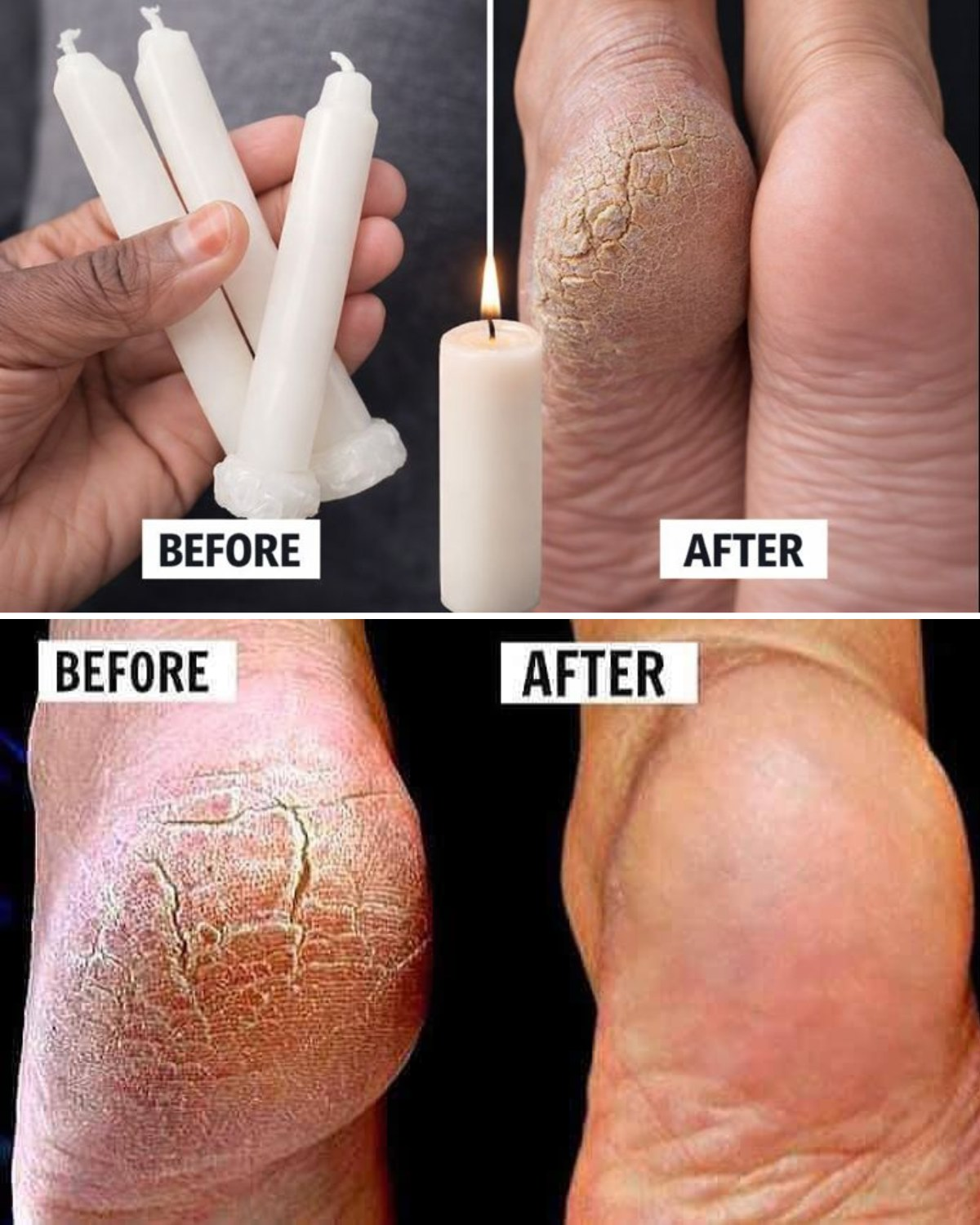
At the end of a long day, you finally sit down, kick off your shoes, and feel the relief travel through your body—until you notice your heels. Dry. Rough. Cracked. Sometimes they sting when you walk barefoot. Sometimes they snag on socks or sheets. And sometimes, they simply make you feel uncomfortable and self-conscious.
Cracked heels are more than a cosmetic issue. When left untreated, they can become painful, deepen over time, and even lead to infections. Many people turn to expensive creams or chemical-heavy treatments, hoping for a fast solution. Yet, the truth is that some of the most effective remedies are simple, natural, and already available at home.
Nature provides powerful ingredients that nourish, heal, and protect the skin. With consistency and care, these remedies can restore softness, flexibility, and comfort to even the driest heels. Before exploring them, it helps to understand why heel cracks happen in the first place.
Why Heels Crack in the First Place
Cracked heels, also known as heel fissures, usually begin with dryness. The skin on the heels is naturally thicker than on other parts of the body, but it lacks oil glands. This makes it more vulnerable to dryness, especially when exposed to friction, pressure, or open-backed footwear.
Standing for long hours, walking barefoot on hard surfaces, and wearing sandals regularly all contribute to moisture loss. As the skin dries out, it becomes stiff and less elastic. Eventually, pressure from walking causes the skin to split.
Age also plays a role. As we get older, our skin produces fewer natural oils and loses elasticity. Dehydration, harsh soaps, cold weather, and lack of foot care can make the problem worse. The good news is that cracked heels respond very well to consistent, natural care.
Below are five natural home remedies that focus on hydration, exfoliation, healing, and protection. When used regularly, they can make a visible and lasting difference.
Banana and Honey Foot Mask
Why This Remedy Works
Bananas are rich in natural oils, vitamins, and minerals that deeply hydrate dry skin. Honey is a natural humectant, meaning it draws moisture into the skin and helps lock it in. Together, they create a nourishing mask that softens hardened skin and improves elasticity.
This remedy is especially helpful for heels that feel dry and tight but are not deeply cracked.
How to Prepare and Use
Mash one ripe banana until smooth. Add one tablespoon of honey and mix well. Apply the mixture generously to clean, dry heels, focusing on rough and cracked areas. Leave it on for about 20 minutes. Rinse with lukewarm water and gently pat dry. Finish with a rich moisturizer or a few drops of coconut oil.
What to Expect
After the first use, your heels will feel noticeably softer. With regular application two to three times a week, the skin becomes smoother, more flexible, and healthier in appearance.
Coconut Oil Overnight Treatment
Why This Remedy Works
Coconut oil is deeply moisturizing and rich in fatty acids that repair damaged skin. It penetrates deeply, making it ideal for thick, dry heel skin. When used overnight, it has hours to work without interruption.
This remedy is excellent for cracked heels that feel rough, painful, or hardened.
How to Prepare and Use
Soak your feet in warm water for 10 minutes to soften the skin. Pat them dry completely. Massage a generous amount of coconut oil into your heels, paying close attention to cracks. Put on clean cotton socks and leave the oil on overnight.
For added protection, you can mix a few drops of tea tree oil into the coconut oil. Tea tree oil has natural antibacterial properties that help keep cracks clean.
What to Expect
Even after one night, most people notice softer skin. After a week of nightly use, cracks often become less visible and less painful, and the skin feels smoother and stronger.
Lemon and Salt Exfoliating Scrub
Why This Remedy Works
Exfoliation is essential for removing thick, dead skin that prevents moisturizers from penetrating properly. Lemon juice contains natural acids that gently break down dead skin cells, while salt acts as a physical exfoliant and improves circulation.
This remedy is best for heels that feel thick, rough, and callused.
How to Prepare and Use
Mix two tablespoons of sea salt with the juice of one fresh lemon. Add one teaspoon of olive oil to prevent excessive dryness. Gently massage the scrub onto your heels for three to five minutes using circular motions. Rinse with warm water and apply a moisturizer immediately afterward.
What to Expect
Your heels will feel smoother right away. With weekly use, thick skin gradually softens, allowing healing treatments to work more effectively.
Aloe Vera and Glycerin Healing Gel
Why This Remedy Works
Aloe vera is known for its soothing and healing properties. It calms irritation, supports skin regeneration, and provides light hydration. Glycerin draws moisture into the skin and helps retain it, making this combination ideal for painful cracks.
This remedy works well for heels that are cracked, sensitive, or inflamed.
How to Prepare and Use
Mix two tablespoons of pure aloe vera gel with one tablespoon of glycerin. Apply the mixture generously to your heels and put on cotton socks. Leave it on overnight.
What to Expect
Heels feel calmer and more comfortable by morning. With consistent nightly use, cracks soften, redness reduces, and the skin becomes more flexible.
Shea Butter and Vitamin E Balm
Why This Remedy Works
Shea butter is rich in vitamins A and E, which support skin repair and moisture retention. Vitamin E oil helps strengthen the skin barrier and promotes healing. Together, they create a protective balm that not only heals but also prevents future cracks.
This remedy is ideal for long-term maintenance and prevention.
How to Prepare and Use
Gently melt one tablespoon of shea butter and mix in a few drops of vitamin E oil. Massage the mixture into your heels before bedtime and wear socks overnight.
What to Expect
With regular use, heels feel stronger, smoother, and better protected from dryness and friction.
How to Prevent Cracked Heels from Coming Back
Once your heels heal, prevention becomes simple with a few daily habits.
Moisturize your feet immediately after bathing while the skin is still slightly damp.
Wear cushioned shoes or slippers instead of walking barefoot on hard floors.
Avoid harsh soaps that strip natural oils from the skin.
Exfoliate gently once a week to prevent buildup.
Drink enough water, as hydration affects skin health from within.
Tips for Best Results
• Be consistent—natural remedies work best with regular use
• Always moisturize after exfoliating
• Wear socks overnight to lock in treatments
• Avoid open-backed shoes while healing
• Stop exfoliating if cracks become painful or bleed
Frequently Asked Questions
How long does it take to heal cracked heels naturally?
Mild cracks may improve within a few days, while deeper cracks can take one to two weeks with consistent care.
Can I use these remedies every day?
Moisturizing treatments like coconut oil, aloe vera, and shea butter can be used daily. Exfoliating scrubs should be limited to once or twice a week.
Are these remedies safe for sensitive skin?
Yes, but always test a small area first, especially when using lemon or essential oils.
Should I see a doctor for cracked heels?
If cracks are deep, bleeding, infected, or extremely painful, medical advice is recommended.
Can these remedies prevent cracked heels?
Yes. Regular moisturizing and gentle exfoliation can keep heels soft and prevent cracks from returning.
Conclusion
Cracked heels may seem like a small issue, but they can affect comfort, confidence, and daily movement. The good news is that healing does not require expensive products or harsh treatments. With simple natural ingredients and consistent care, your heels can become soft, smooth, and pain-free again.
Choose one remedy that fits easily into your routine and start tonight. Whether it is a soothing coconut oil treatment or a nourishing banana mask, your feet will thank you. With patience and care, healthy heels are not just possible—they are completely achievable.