
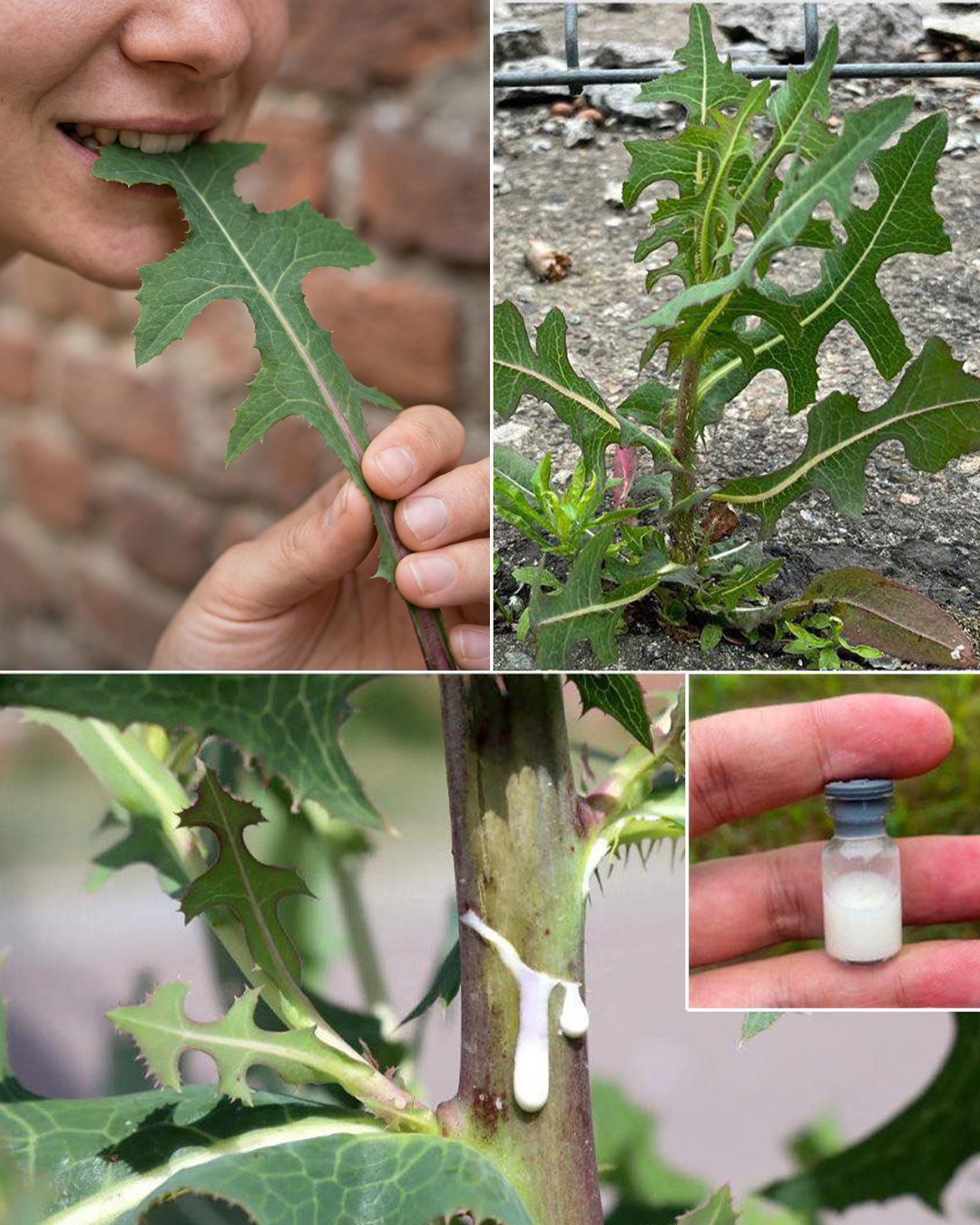
Lactuca serriola, commonly known as wild lettuce or prickly lettuce, is a tall, resilient plant that grows freely in fields, roadsides, and open landscapes. Many people overlook it as a common weed, yet herbal traditions across centuries have valued this plant for its unique natural compounds and milky sap.
Although it resembles cultivated lettuce, wild lettuce contains different active constituents and has been traditionally used for calming, relaxation, and general wellness support. Historical herbal texts describe it as a gentle plant ally for the nervous system and occasional discomfort.
It is important to understand that wild lettuce is not a substitute for professional medical care. Effects vary from person to person, and careful use is essential. Below is a detailed overview of its traditionally recognized benefits, preparation methods, safety guidance, helpful tips, and frequently asked questions.
What Is Lactuca serriola?
Lactuca serriola belongs to the Asteraceae plant family. When its stem is broken, it releases a white milky sap. This sap contains compounds such as lactucopicrin and lactucin, which are believed to contribute to its calming and soothing properties.
The plant grows upright with spiny leaves and small yellow flowers. Herbalists often harvest it before flowering, when its properties are considered most concentrated.
Traditional Benefits of Wild Lettuce
Wild lettuce has been used historically for a wide range of supportive purposes. These benefits are based on traditional use and anecdotal experience rather than definitive medical claims.
Natural Discomfort Support
Wild lettuce has long been described as a plant that may help ease mild physical discomfort. While it does not contain opiates, its calming compounds have made it popular in traditional remedies.
Gentle Nervous System Relaxation
The plant is often associated with promoting relaxation and helping calm an overstimulated nervous system.
Support for Restful Sleep
Traditionally consumed in the evening, wild lettuce tea has been used to encourage deeper, more restful sleep.
Easing Mild Anxiety
Its calming nature may help soothe nervous tension and occasional anxious feelings.
Muscle Relaxation
Wild lettuce has been used to relax tight muscles and reduce mild physical tension caused by stress.
Respiratory Comfort
Some herbal traditions recommend it for calming coughs and supporting clear breathing.
Menstrual Comfort
It has historically been included in herbal blends for easing minor menstrual discomfort.
Anti-Inflammatory Properties
Wild lettuce contains plant compounds believed to support a balanced inflammatory response.
Mood Support
In small amounts, it may provide a gentle mood-balancing effect.
Calming Restlessness
Used traditionally to ease agitation and promote a sense of calm.
Digestive Stimulation
Its bitter compounds may encourage digestive enzyme activity and improve digestion.
Liver Support
Bitter herbs have traditionally been associated with supporting the body’s natural detox processes.
Head Comfort
Wild lettuce has been used in cases of tension-related head discomfort.
Mental Clarity
Very small doses may promote calm focus without overstimulation.
Nighttime Disturbance Support
Historically used for vivid dreams and night anxiety.
Antioxidant Content
Like many green plants, it contains natural antioxidants that support cellular health.
Nerve Comfort
Traditionally used to soothe mild nerve-related discomfort.
Emotional Balance
Its calming influence may help smooth emotional fluctuations.
Focus Support
By reducing internal tension, it may indirectly help improve concentration.
Anti-Spasmodic Effects
Wild lettuce has been used for mild muscle spasms and twitching.
Low Mood Support
Some herbal traditions include it in blends intended to ease occasional low mood.
Stress-Related Tension
It may help relax muscle tightness caused by chronic stress.
Gentle Stomach Soothing
Its bitter nature can stimulate digestive secretions and reduce bloating.
Mild Diuretic Action
Traditionally believed to support fluid balance.
Smoking Cessation Support
Some herbalists suggest it may help calm irritability during nicotine withdrawal.
Traditional Aphrodisiac Reputation
Certain cultures believed it supported vitality and desire.
Topical Soothing Effect
The milky sap has been used externally in small amounts for minor itching.
Joint Comfort
May support flexibility and reduce stiffness when used carefully.
Migraine Support
Its calming properties may assist during periods of head tension.
Circadian Rhythm Support
By encouraging relaxation, it may help regulate natural sleep cycles.
How to Use Wild Lettuce at Home
Using wild lettuce requires caution. It is potent and extremely bitter. Always begin with small amounts to observe how your body responds.
Foraging and Drying
Harvest young leaves and stems in late spring before flowering. Wear gloves to avoid irritation from the plant’s prickles. Rinse thoroughly to remove dirt and insects. Dry the leaves in a shaded, well-ventilated area until completely crisp, then store in an airtight container.
Wild Lettuce Tea
This is one of the mildest and safest ways to explore its properties.
Ingredients
Dried wild lettuce leaves
Hot water
Preparation
Place a small amount of dried leaves in a cup or tea infuser. Pour hot but not boiling water over the leaves. Allow it to steep for about ten to fifteen minutes. Strain and sip slowly.
Because the taste is very bitter, you may add mint, ginger, or a small amount of honey.
Wild Lettuce Tincture
A tincture provides a more concentrated form.
Chop fresh leaves and stems and place them in a clean glass jar. Cover fully with 80 to 100 proof alcohol. Seal tightly and store in a dark place for several weeks, shaking occasionally. After four to six weeks, strain and transfer the liquid to a dark dropper bottle.
Begin with only a few drops diluted in water. Avoid exceeding small amounts without professional guidance.
Wild Lettuce Resin
This traditional preparation involves collecting the white sap from mature stems. Allow the sap to dry naturally until it becomes dark and sticky. Store in a small glass container.
Because resin is potent, use extreme caution and only minimal amounts if experimenting.
Safety Considerations
Wild lettuce is natural but not harmless. It may cause drowsiness, dizziness, or nausea if overused.
Avoid use if you are pregnant, breastfeeding, taking sedatives, or managing chronic health conditions. People sensitive to plants in the Asteraceae family should also avoid it.
Consult a qualified healthcare professional before regular use.
Tips for Responsible Use
Always start with the smallest possible amount.
Do not combine with alcohol or sedative medications.
Avoid driving or operating machinery after use.
Correctly identify the plant before harvesting.
Take periodic breaks rather than using continuously.
Store preparations away from children and pets.
Clearly label all homemade extracts.
Frequently Asked Questions
Is wild lettuce the same as grocery store lettuce?
No. While they are related, wild lettuce contains different compounds and is much more bitter and potent.
Is wild lettuce safe for everyone?
It is not suitable for everyone. Individuals with certain medical conditions or those taking medications should seek medical advice before use.
How quickly does it work?
Some people report feeling relaxed within an hour, though experiences vary.
Can it replace prescription medication?
No. Wild lettuce should not replace prescribed treatments.
Is it addictive?
It does not contain opiates, but responsible use and moderation are essential.
Can beginners try it?
Beginners should approach cautiously and consider consulting an experienced herbal practitioner.
Final Thoughts
Lactuca serriola is a fascinating wild plant with a long history in herbal traditions. From promoting relaxation to supporting mild discomfort relief, it has earned attention among natural wellness enthusiasts.
However, potency requires respect. Careful preparation, mindful use, and professional guidance are essential when exploring wild herbs.